
DAYTON — On a recent spring morning, Dayton was looking fine beneath a sky dotted with feathery clouds. Front yards were coming alive following winter’s hiatus. Tall forsythia bushes, bending under the weight of blossoms, created fountains of yellow. Tulip stems, having broken through the crust of dark soil, pointed to the stratosphere, a promise of delicate flowers in pastel colors soon to come. Catkins, nature’s delivery system for scattering oak tree pollen, dropped lazily to the ground, their usefulness served.
Downtown merchants flipped signs to “Open,” and a few of them propped doors ajar, the better to enjoy such a glorious morning. Traffic was light on Market Street. The din of the busy state highway less than a half mile away could barely be heard. A morning train thundered through town without stopping, but the blaring of its horn soon faded along with the sound of steel rolling on steel as the last car disappeared. A hundred years ago, passenger trains paused several times a day here, but now only freight headed elsewhere rumbles through.
Outside the historic Rhea County Courthouse, grasscutters completed their trimming assignment of the lawn and the seductive smell of summer floated on constant breezes.
In Dayton, evolution means change over time, 100 years after Scopes
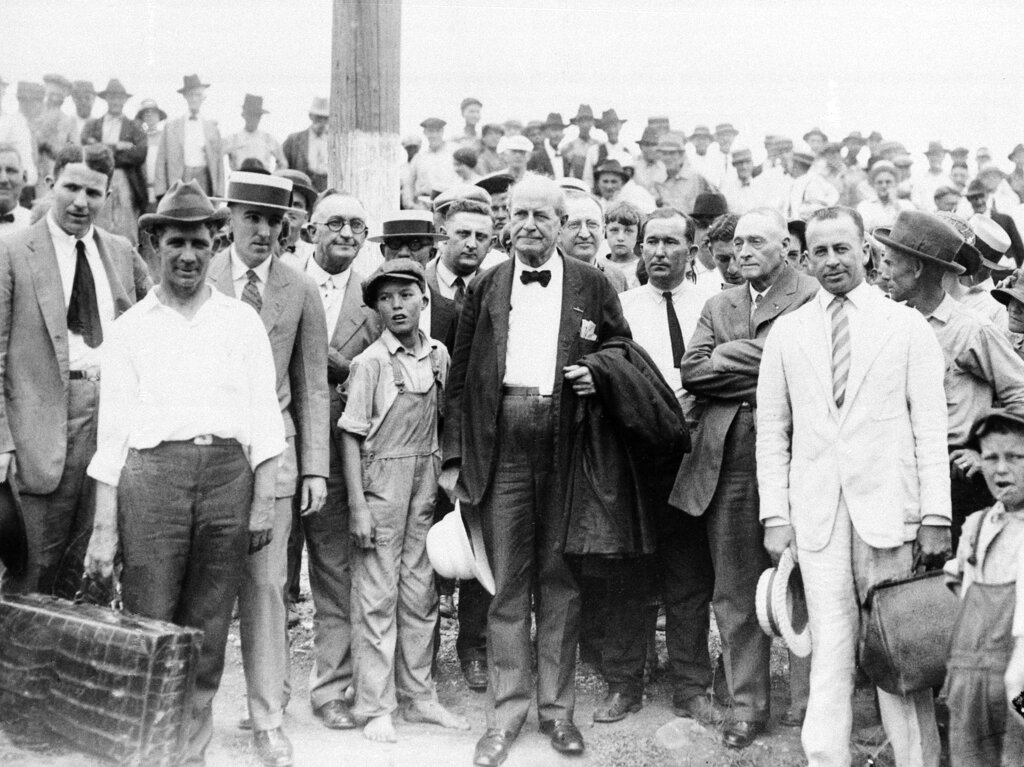
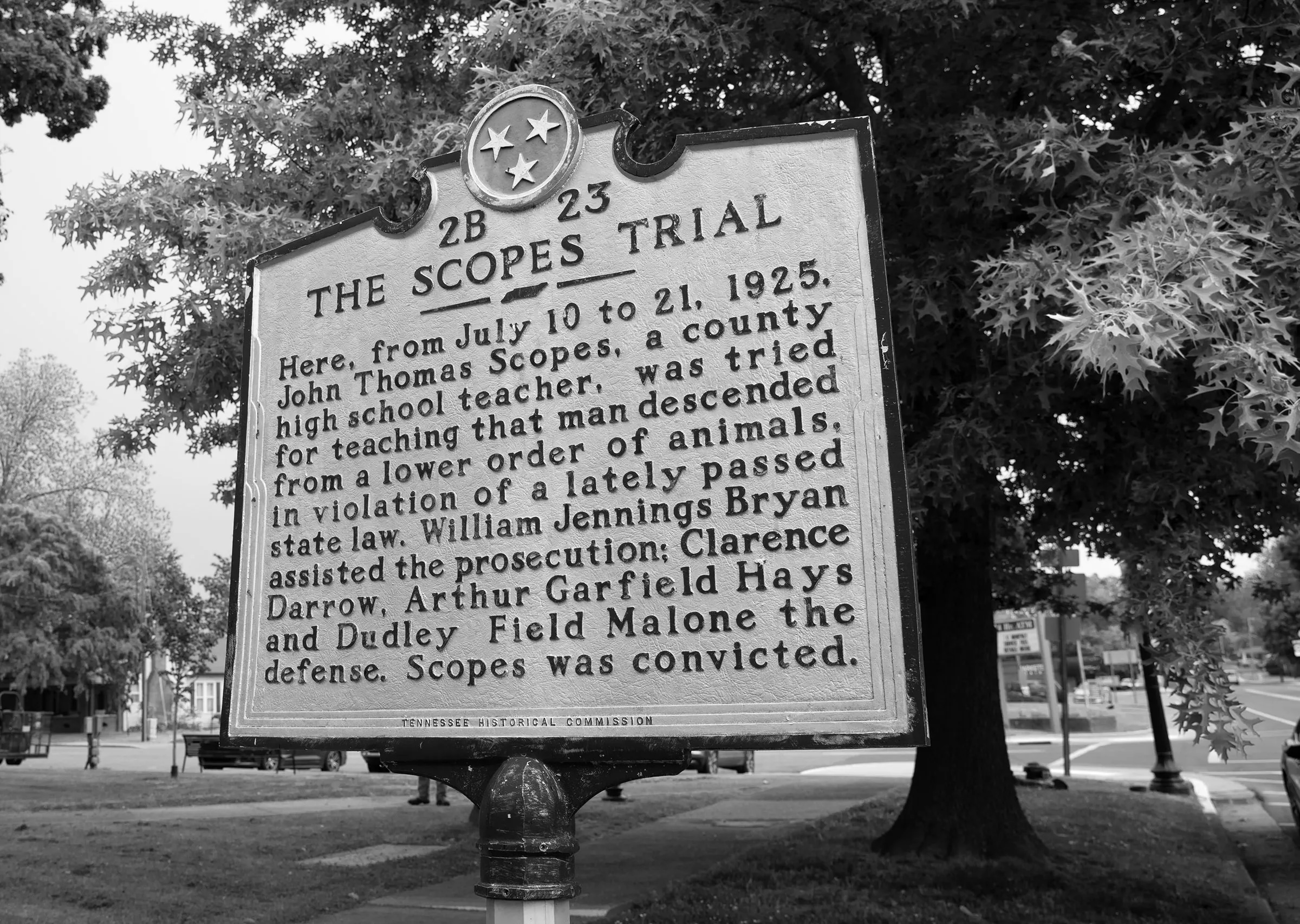
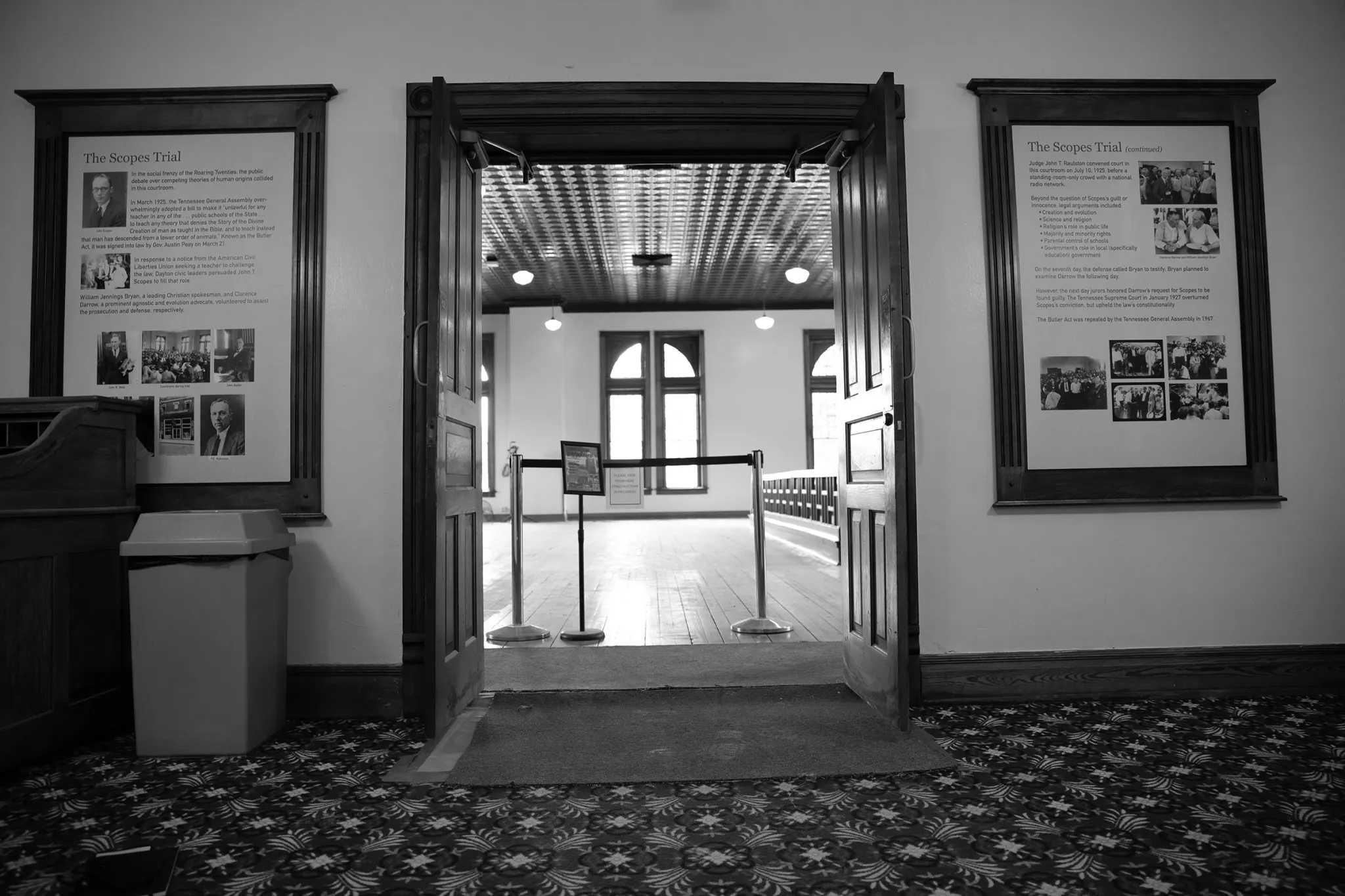
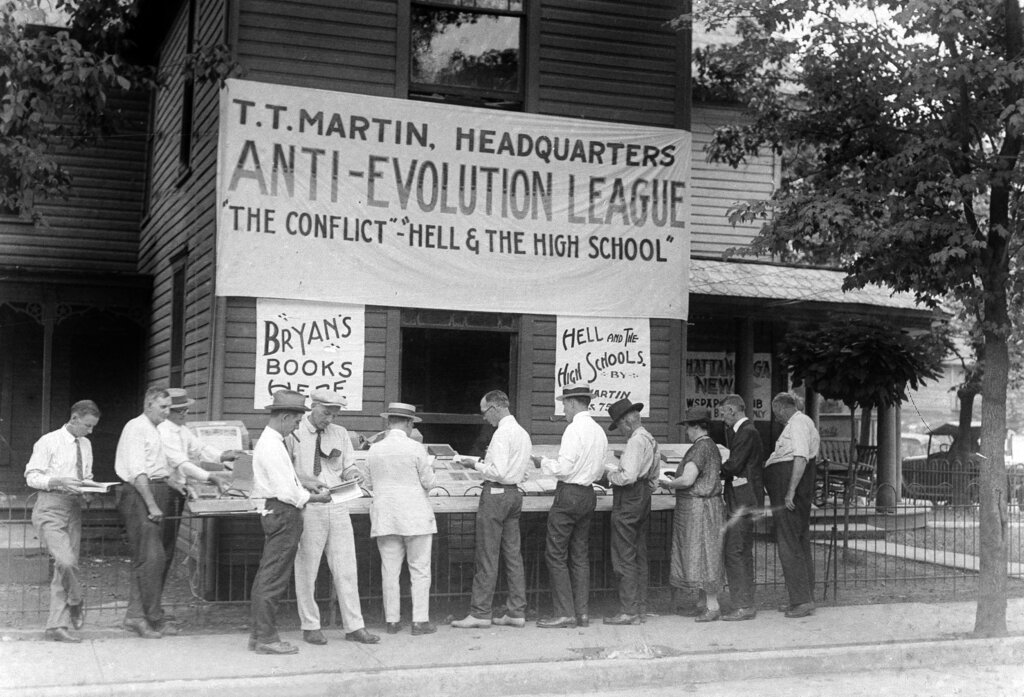
This historic structure, built in 1891 and featuring a classic blend of architectural styles, makes imagining the events of July 1925, when teacher John T. Scopes was tried for teaching evolution, a bit easier.
(READ MORE: Former Rhea County teacher files civil rights lawsuit)
The bones of the building remain unchanged in the digital age. Daytonians, thousands of them, have come and gone, from birth to grave, since the Scopes trial, but the brick building that attracted a worldwide audience a century ago still stands, unperturbed, a solid connection between past and present.
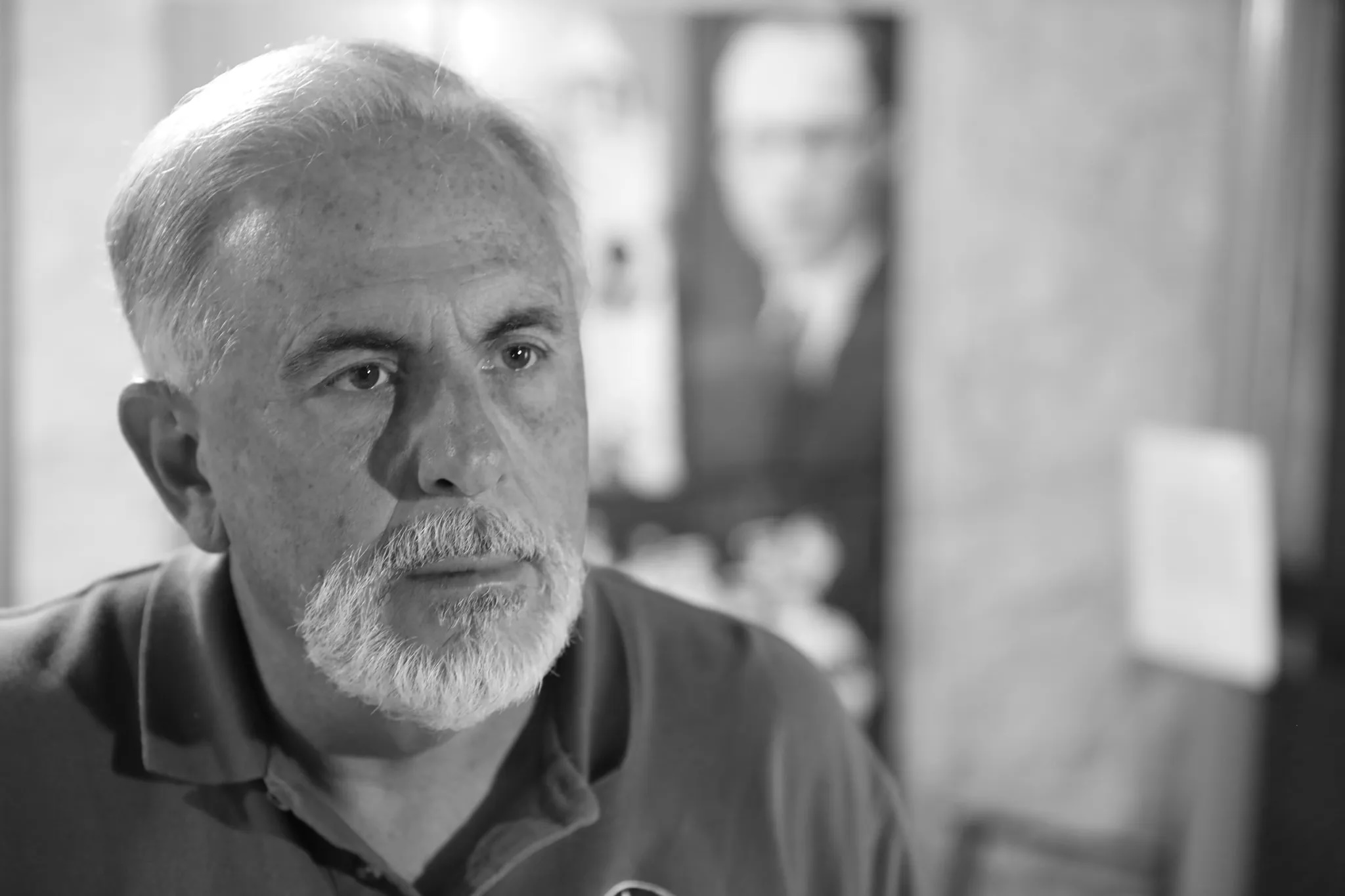
John Fine is pleased to straddle that gap. He’s 62, retired as the county’s Clerk and Master and before that as Circuit Court Clerk. Considering his tenure as an employee of the electorate, Fine has spent a significant portion of his waking hours in this historic space.
In retirement, he hasn’t strayed far. Each week, he returns as a docent at the Scopes Museum in the courthouse basement.
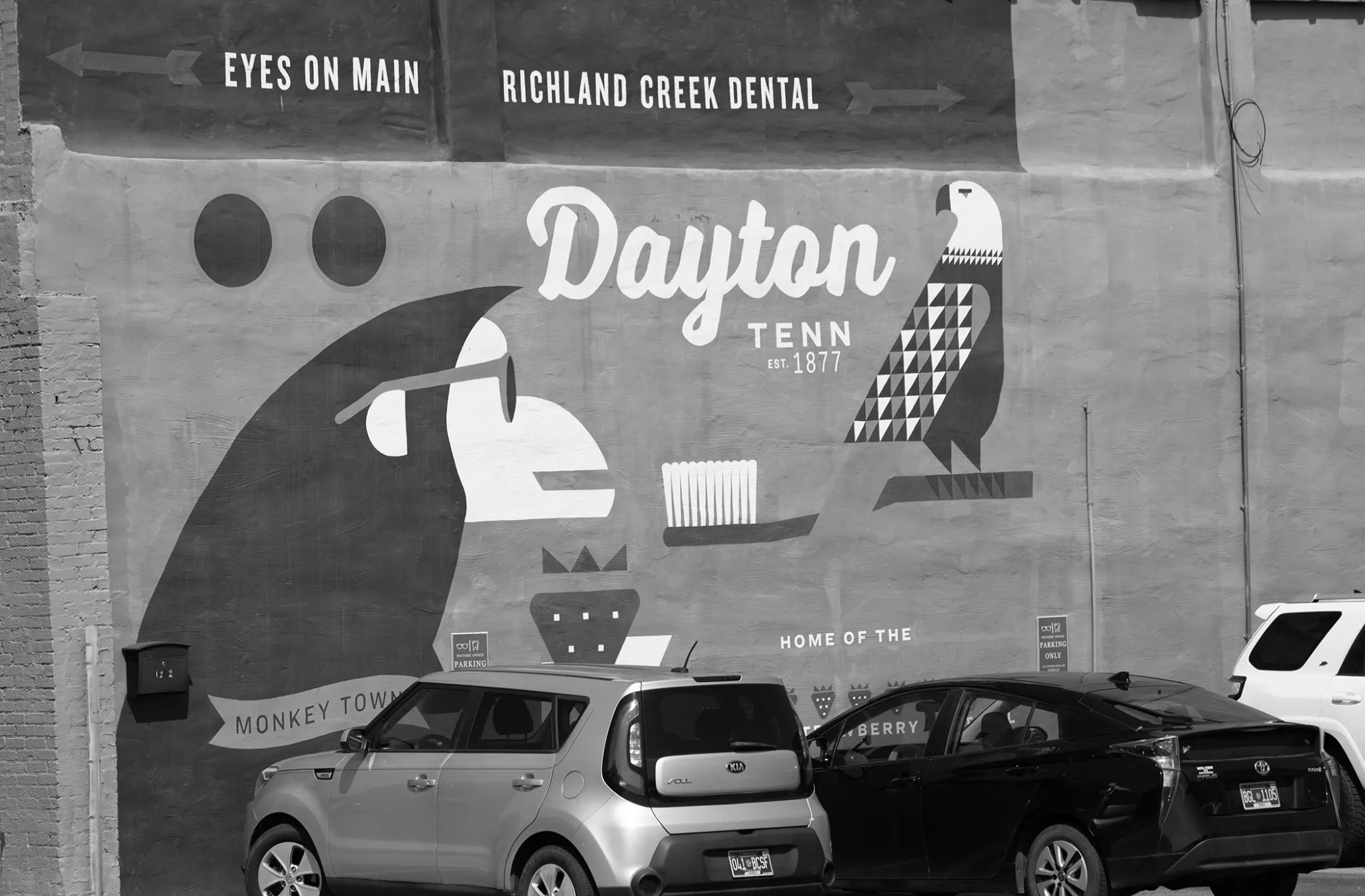
“They called us ‘Monkey Town.’ A lot of people didn’t like the nickname, but they were very proud that this was the most famous courthouse in America,” Fine said, sitting at a desk in the center of the museum, an oversized photo of John T. Scopes behind him.
He launched into the trial without a prompt.
“I think they thought it’d just be a little breeze and get our name in the paper, but it turned into a tornado,” said Fine, referring to a group of residents who cooked up the idea of the trial at Robinson’s Drug Store as a way to bring attention. “They got their economic stimulus while the trial was going on, but after …”
Fine paused a beat before continuing: “… it all dried up.”
RELATED
— A century since Dayton’s famous Scopes trial, America is facing many of the same crosswinds
— 100 years after Scopes, Tennessee professor seeks to let science, faith coexist
“Someone asked me one day, ‘Is that what got industry and factories in Rhea County?’ I said, ‘No, it was TVA and the railroads that did that.'”
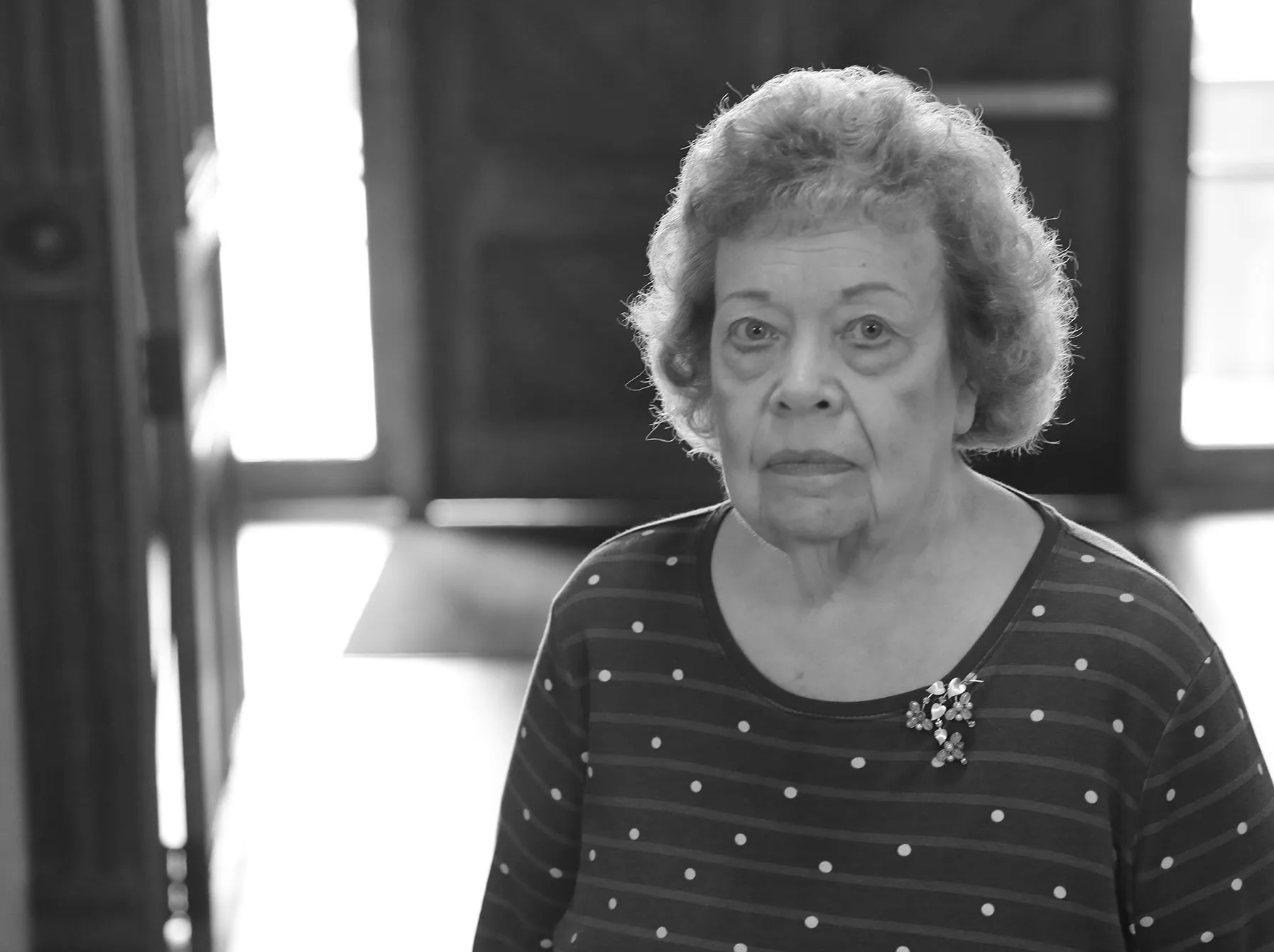
One floor above him in the county historian’s office, Pat Guffey agrees with that assessment.
“Really, it didn’t do much for the town as far as the economy went. It did put it on the map, I guess you could say. Nothing lasted, except Bryan College,” said Guffey, noting the school located on a hill overlooking the town. It was built in honor of Scopes trial prosecutor William Jennings Bryan, who died in Dayton five days after the Scopes trial ended. In the past 90 years, thousands of students have matriculated through the school’s academic programs. About 1,400 students are enrolled today.
GREAT THEATER
What is the trial’s lasting effect on locals as the 100th anniversary approaches? A walk down Market Street offered hints.
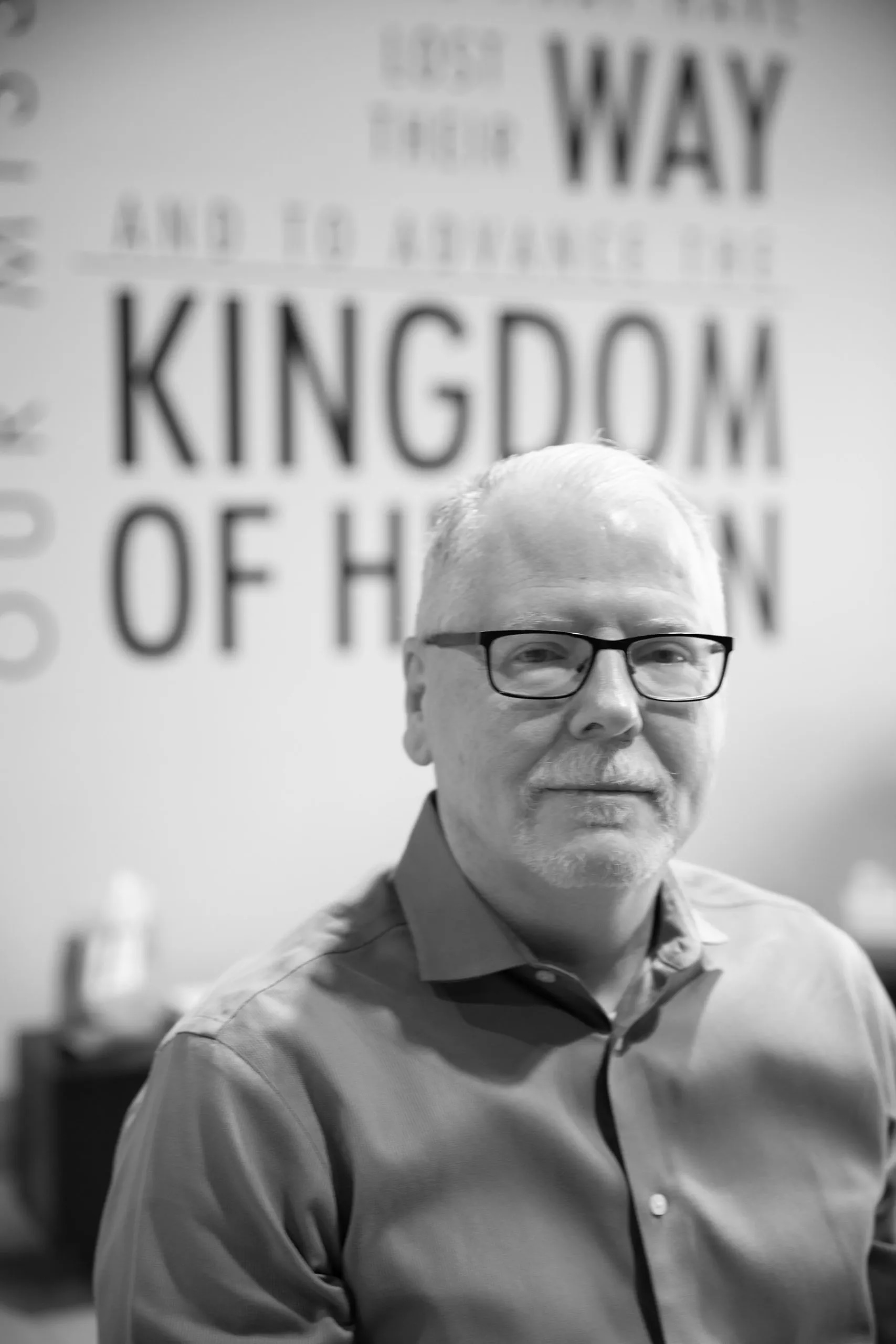
Chip Beaulieu, 60, is the pastor of Word of Truth Church, a few blocks south of the courthouse. His path to the pastorate was unusual. For years after graduating from Tennessee Tech, he worked in the Space Shuttle program in Huntsville.
“I was in mechanical engineering, structural analysis,” he said, seated in the church’s worship center, a refurbished building that features exposed trusses built by a bridge company.
But Beaulieu (pronounced “bolio”) always sensed that he would one day serve as pastor. About 12 years ago, he and his wife, Chris, drawn by prayer, arrived to start a church.
What does his flock think of the long-ago struggle in the courtroom down the street?
“We’ve talked about it,” Beaulieu said. “It was all based around evolution, putting the monkey on the stand, which was great theater, I’m sure.”
But as an explanation for the creation of man, the pastor said he’s not picking up what evolutionists are putting down. Ironically, his degree in engineering, and the science he studied to receive it, point the way for him.
(SIGN UP: Get our top headlines in your inbox every morning by going to timesfreepress.com/morning)
“I just think it’s the most fantastic type of theory because the level of faith that’s required to believe in it exceeds the Christian word. The basic premise is that every single feature of a human body was created by an accident, of some fault, and DNA somehow made it to the next generation,” he said.
The chance of such an effect happening is “not almost zero,” he said. “It’s zero.”
“To me, it’s a lot easier to believe an almighty God created (life) in seven days than innumerable accidents over billions of years.”
He’s not surprised, however, that much of America has adopted a less literal view of Genesis.
“Mankind always is trying to outsmart the Lord, and with AI, you know, they’re almost as smart as God,” he said.
Or so they believe, he added.
“Somebody even told me that because Google exists that we know everything there is to know, and so I will just ask them to tell me how gravity works,” he said. “Nobody knows. I can measure it and quantify it and calculate it, but where does it come from, they still don’t know.”
Evolution, Beaulieu confirmed, isn’t on the minds of his church members, many of whom returned to a life of faith after distancing themselves from the mainstream churches of their youth. Today, he said, the perceived concerns focus on other issues: what students are taught in school, the proliferation of transgender rights, the general decline of American morals.
“That’s the fight for today,” he said.
SCHOOL PRAYER
At a nearby dog park, Gloria Rapson sits on a bench watching Luna, her labrador/shepherd-mix dog, run in wide circles. A resident of Dayton for several decades, Rapson was aware of the Scopes connection to Dayton, but she was unaware that the 100th anniversary was approaching.
“You know it happened here. You just don’t think about it all the time,” said the retiree, a school lunchroom worker and manager for 28 years.
But these days, she often ponders America and its direction.
“You know, way back we wanted to separate religion from the state. We wanted to make sure that everybody had that freedom to worship,” she mused.
Even so, when she attended elementary school, Rapson, 69, recalled, “We started with prayer and we still had the pledge.”
(SCOPES 100: Read more about the centennial of the evolution trial)
Today, she offered, “Nobody wants [prayer] in the schools now, but our schools need prayer.”
Dayton, Rapson observed, is no different on religious issues than other Tennessee towns, large and small. A sizeable number — probably 70%, Rapson guessed — are like her and regularly attend a church. But individual beliefs vary on “touchy subjects” like the LGBTQ+ community.
“I mean, you’ve got people who are going to be for that society and then you got people who are totally against it,” she said.
That said, a person who needs a helping hand brings out the best in her friends and neighbors.
“If you have a real serious need … the people gather and take care of it,” she said. “That’s just the way we are.”
CHANGE OVER TIME
Guffey said even though she grew up in Dayton, the county historian said she was always allowed “to form my own opinions” and, most importantly, to read.
“I’ve always done a lot of reading,” she noted.
Guffey, who is a former biology teacher, landed on her sweet spot of truth.
“I’m a Christian, so I do take the Bible view, but you can still believe in evolution and still be a Christian and a lot of people say, ‘No, you can’t,’ but all evolution really is, is change over time,” she said, offering an opinion she’s likely stated many times. “That’s all evolution is. It’s change over time.”
With a slight smile, Guffey delivered a bit of family trivia: she’s descended from the Darwins of Dayton, whose lineage can be traced — very distant, to be sure — to Charles Darwin of the HMS Beagle.
Kismet or coincidence? She shrugged.
‘PREACH IT’
Back in the Scopes Museum, one floor below the county historian’s office, Fine recalled a recent conversation he had with a college student visiting the museum. She wanted to know why Dayton received so much bad publicity during and after the trial.
Fine said he reminded the woman of historian Shelby Foote’s admonition about the importance of understanding the Civil War’s place in American history, and she asked what that had to do with Scopes. The former county official offered a knowing smile.
“I said, ‘Well (many of) these news outlets were from up North.’ And I believe, and this is my opinion, they were bashing not just Dayton, Tennessee, but the whole South,” he said. “They said we were anti-science and hillbillies and ignorant. The war hadn’t been over but, like, 60 years. It was still raw,” he said.
“It’s still raw today,” he said. “I said people are still arguing about it. She said she had never thought of it like that.”
There’s much to learn from studying Scopes, he said.
As far as Fine’s take on the “e” word, “evolution is theory,” he said.
“The whole thing is a substitute theology. We now call it intelligent design, which I’m fine with. That just says that the supreme being did it. Science and Christianity does not conflict,” he said firmly.
“Preach it,” a voice called out approvingly from behind Fine, who turned to find a smiling man and a teenage boy; visitors to the museum.
“Is the courtroom open today?” the man asked. Fine directed them to an elevator that would take the pair upstairs to the courtroom where Bryan, Scopes, Judge John T. Raulston and many others made history.
Unfortunately, the room’s tall walls do not speak of what they heard in 1925.
Over the years, that hasn’t stopped Fine from standing in that grand space, listening, just to be sure.
Leon Alligood is a retired Middle Tennessee State University journalism professor. For 30 years before joining academia, he was a reporter, most of that time at The Nashville Banner and The Tennessean. He is the co-author (with Kathy Bingham Turner) of “Boss Brooks: A True Story of Fraud, Family and Forgiveness from Tennessee to Texas,” which will be published by the University of Tennessee Press in November.
This article first appeared on Nashville Banner and is republished here under a Creative Commons Attribution-NoDerivatives 4.0 International License.