
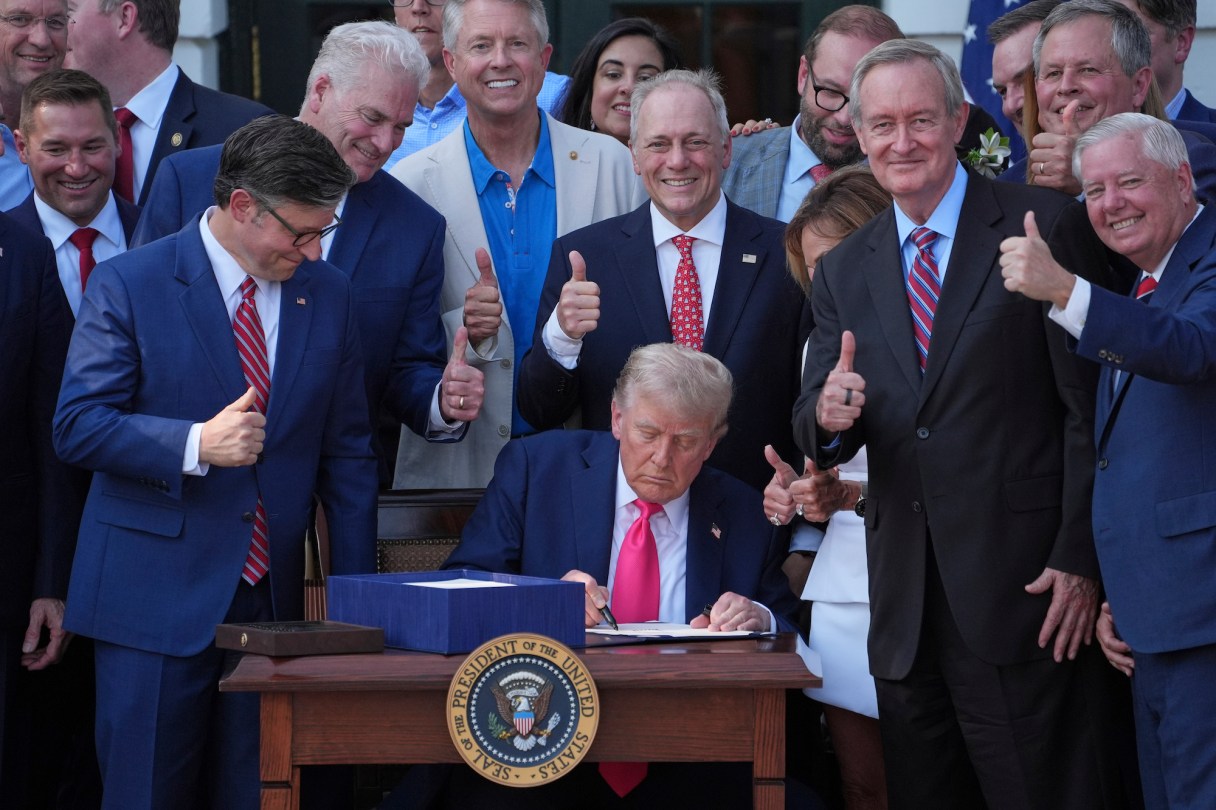
The giant tax and spending bill President Donald Trump signed into law over the weekend includes the biggest health care spending cuts in U.S. history. In response, states are scrambling to shield their hospitals from the looming loss of hundreds of millions in federal funding.
In Georgia, a key state panel late last month took steps to send more state Medicaid money to hospitals, hoping to maximize federal matching dollars before the cuts take effect. Other states are considering new grant programs that would funnel additional money to rural hospitals. Some state legislatures likely will reconvene to discuss how to fill holes in their Medicaid budgets.
The tax and spending bill cuts more than $1 trillion from Medicaid, the public health insurance program for people with low incomes that’s jointly funded by states and the federal government. Under the measure, payments to hospitals or nursing facilities would probably decrease in at least 29 states, according to an analysis by KFF, a nonprofit health policy group.
Facing such budget shortfalls, states may have to stop offering optional Medicaid benefits such as vision and dental, reduce the rates they pay providers — which could shrink access for Medicaid enrollees — and change eligibility requirements so that fewer people qualify for coverage.
State policymakers and health experts worry the loss of funding also will endanger hospitals, particularly those in rural areas, driving up uncompensated care and forcing them to cut services or close entirely.