
UNITED NATIONS (AP) — France, Germany and the United Kingdom moved Thursday to reimpose United Nations sanctions on Iran over its nuclear program, further isolating Tehran after its atomic sites were repeatedly bombed during a 12-day war with Israel.
The process, termed a “snapback” by the diplomats who negotiated it into Iran’s 2015 nuclear deal with world powers, was designed to be veto-proof at the U.N. and could take effect in a month.
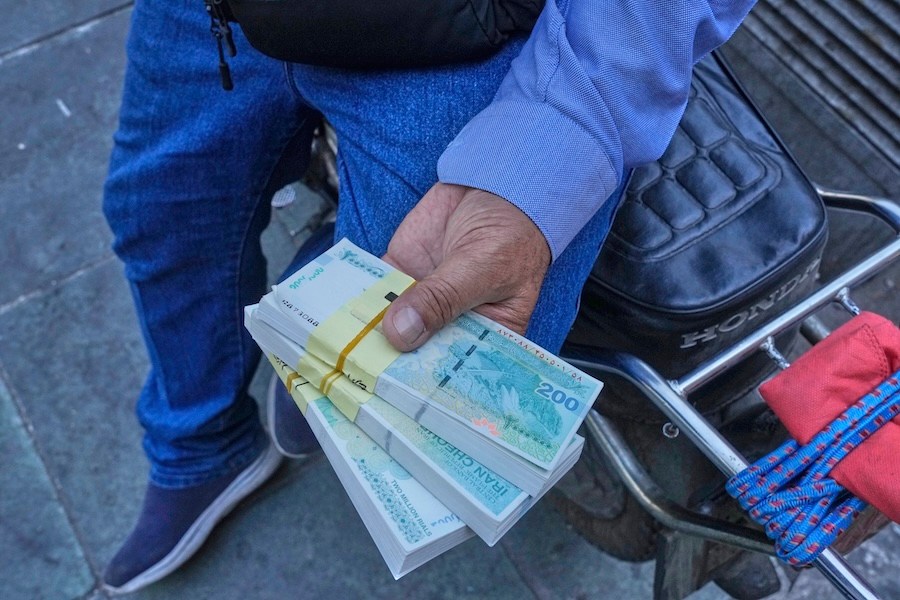
It would again freeze Iranian assets abroad, halt arms deals with Tehran and penalize any development of Iran’s ballistic missile program, among other measures, further squeezing the country’s reeling economy.
The move starts a 30-day clock for sanctions to return, a period that likely will see intensified diplomacy from Iran, whose refusal to cooperate with inspectors from the International Atomic Energy Agency, or IAEA, started the crisis. Iran will also probably emerge as a top focus of the U.N. General Assembly when it meets next month in New York.
The British, French and German foreign ministers suggested that they viewed the snapback as a way to spur negotiations with Tehran.