
NEW DELHI (AP) — From the Andes to the Himalayas, a new wave of protests is unfolding across the world, driven by generational discontent against governments and anger among young people.
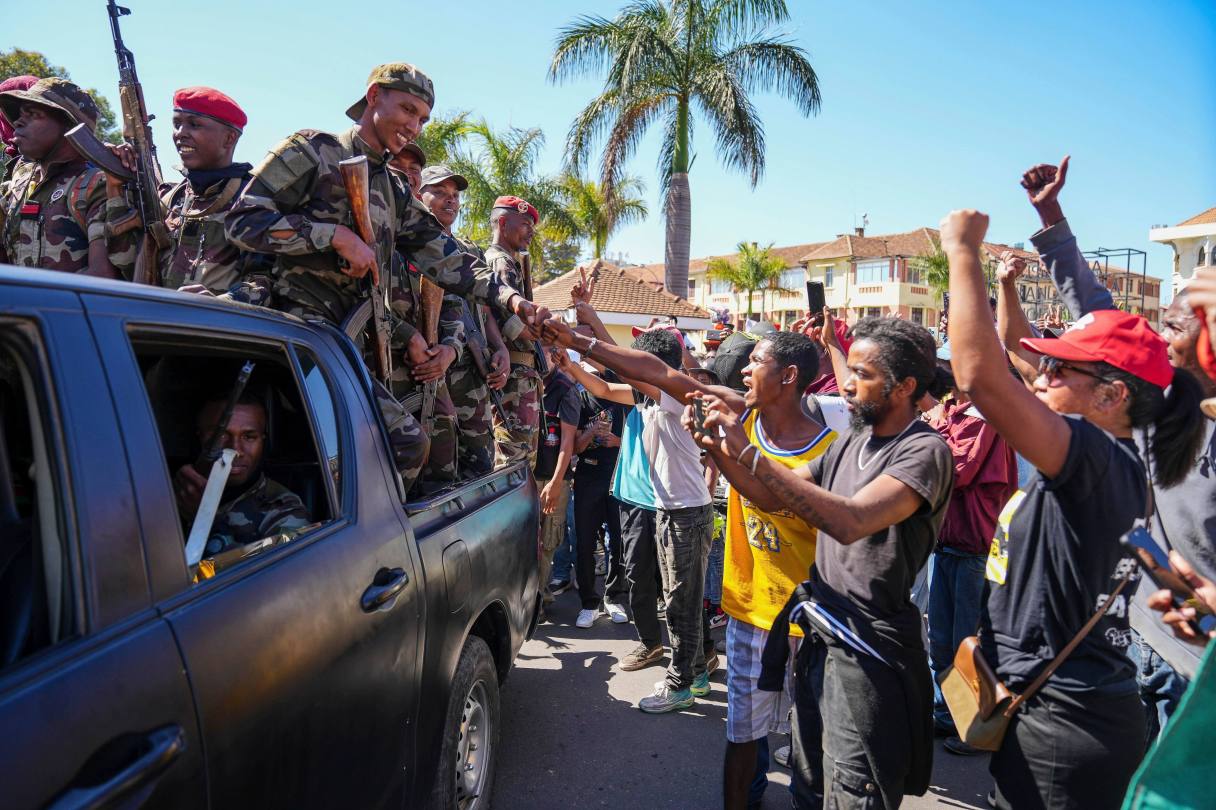
This week, Madagascar’s President Andry Rajoelina was forced out of power and out of the country after a military mutiny, the culmination of weeks of demonstrations led by young protesters referring to themselves as “Gen Z Madagascar.”
The rage against the political establishment in the Indian Ocean island country mirrors other recent protests across the world, in countries like Nepal, the Philippines, Indonesia, Kenya, Peru and Morocco. These protests have been sparked by specific grievances but are driven by long-simmering issues like widening inequality, economic uncertainty, corruption, and nepotism of leaders.
But they have one thing in common: Mostly leaderless, they are made up primarily of young people who brand themselves as “Gen Z,” defined as those born roughly between 1996 and 2010 — the first generation to grow up entirely in the internet age.
“What connects these youth-led protests is a shared sense that traditional political systems aren’t responsive to their generation’s concerns, whether that’s corruption, climate change, or economic inequality. Protest then becomes the logical outlet when institutional channels feel blocked,” said Sam Nadel, director of Social Change Lab, a U.K.-based nonprofit that researches protests and social movements.