
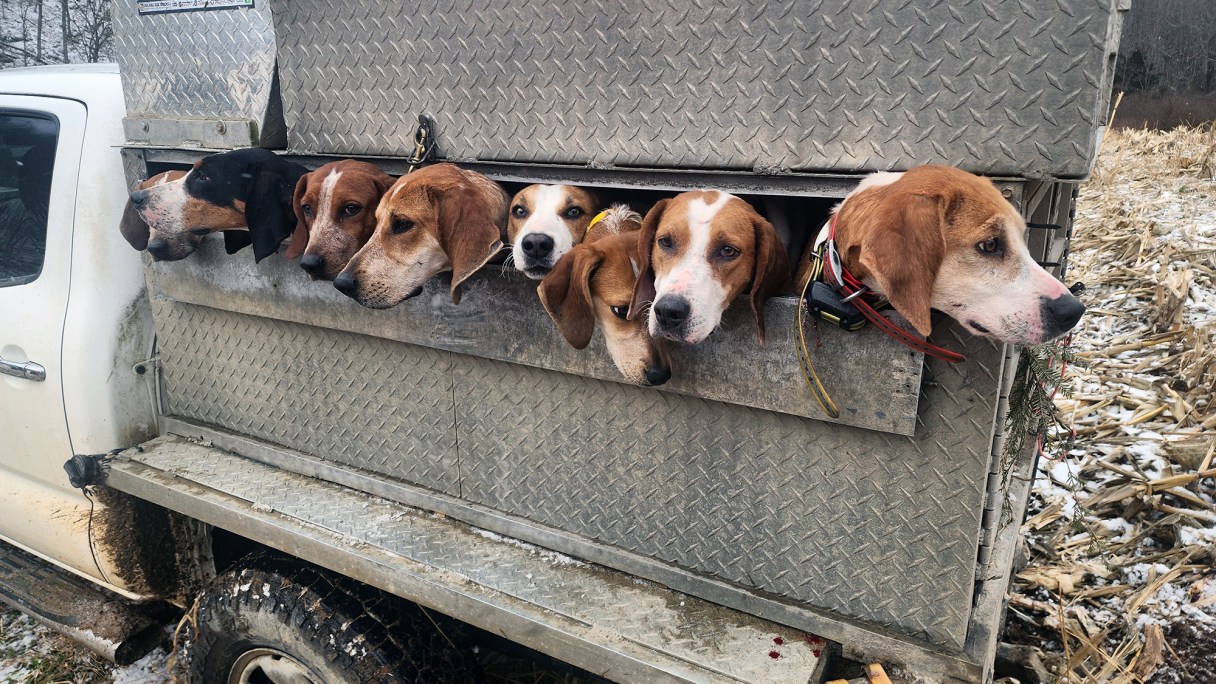
I’ve told you about this kid before.
I can see him standing in a brushy, overgrown field on a gray winter day. The thermometer hovers just above freezing, and it is spitting snow of the “bird’s-eye” variety. The kid is shivering (as usual) as he stands motionless, listening to a small pack of beagle hounds as they give voice on the track of a cottontail rabbit.
Even though he is just a teenager, he has already done this many, many times. He knows he must not move, as the rabbit will circle ahead of the dogs and — hopefully — give him a chance for a shot. So he stands and shivers in cheap boots and probably less than adequate clothing against the cold.
He doesn’t really think about it or complain; he just figures being cold is part of the deal for rabbit hunting in February.
(READ MORE: Chasing rabbits and memories down the trail)
Down the road somewhere, this same kid will do a stint with coonhounds and then will keep pointing dogs for several years while trying to be a grouse hunter. Later, he will almost exclusively walk the woods hunting fall turkeys with dogs, a lesser known form of hunting with dogs, but it is still all about the dogs. After that, he will go back to his roots and join the ranks of those following cur and feist squirrel dogs through the woods.
This is all several different hunting trails, but with one big similarity: They are all hunting with a canine pal.
Many upland hunters, raccoon and squirrel hunters, bear and hog hunters, and waterfowl guys with their retrievers will tell you they would not be hunting at all if it were not for their dogs. If you are not a dog hunter or don’t come from that background, truthfully, it is hard to explain to you why this is.
All of these hunters will probably tell you it is watching and listening to their dogs work that gives them the most pleasure while hunting. The bond between dog and man in the hunting field is often talked about but rarely accurately explained. Those who keep hunting dogs will try to tell you about working with a canine and seeing them develop from a clumsy little puppy to a seasoned hunting partner that knows their job and works to please you in the field.
They will try to explain this, but they probably won’t do a very good job.
(READ MORE: Hunting is better with dogs)
As for myself, I think it all goes back to a time when the first wolf came into the light of the campfire and became man’s best friend.
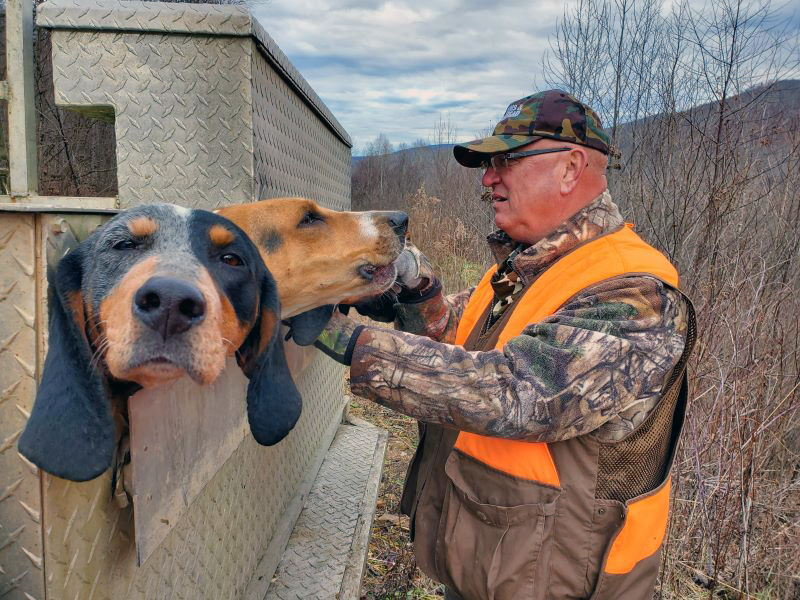
The U.S. Fish and Wildlife Service, which keeps track of such things, has some interesting numbers on this. They report that 1.2 million hunters claim to hunt with dogs in America, about 8% for big game, 17% for small game, 22% for migratory waterfowl, and 22% for other animals, such as feral hogs. (These numbers said part of this 22% was for raccoons, which I would think would go in the small game division, but I don’t know how they counted all that.)
The point is there are a lot of you out there hunting with dogs, and according to the USFWS numbers, this contributes $11.8 billion (yeah, with a “b”) to the gross national product. That is a lot of dog food, collars and leashes, GPS locator equipment, dog boxes, and everything else that goes with this game.
One set of figures I found interesting is that USFWS reported the average hunter spent $374 a year on dog-related expenses. Again, I don’t know how this was counted, but that figure seems very low to me. I have two dogs, and I am sure I spend more than that on dog food alone. A single trip to the veterinary clinic can easily go over that amount, so I would think this figure is low. I know of some bear hunters with several hounds who easily go into the thousands (and thousands) of dollars for quality dog food and veterinary care for their dogs.
Whatever the cost for the average hunting dog owner, I doubt if you will hear them complain much about it. They will tell you when it comes to seeing that young setter point their first bird, an old mountain cur treeing squirrels all day for the hunter’s grandkids, or watching a Labrador or a Chesapeake retriever pushing through the river current with a drake mallard, all of this is priceless to them.
They really don’t care what the cost is. They do it for the love of the sport and the dogs.
Maybe it’s time for a hunting dog in your life. If you got away from it, maybe it’s time to return.
And for some big fun, when you take that dog afield, take a kid with you, too. You won’t be sorry.
“Guns & Cornbread” is written by Larry Case, who lives in Fayette County, W.Va. You can write to him at larryocase3@gmail.com.