
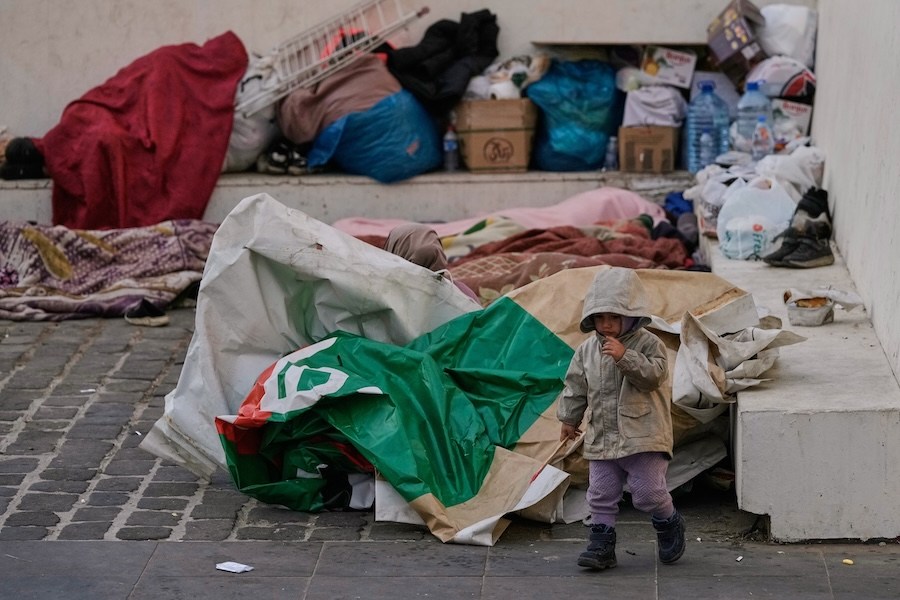
BEIRUT (AP) — The Lebanese mother of two had just awakened to prepare the pre-dawn meal before another day of fasting during the Muslim holy month of Ramadan when Israeli warplanes began attacking southern Lebanon in retaliation for rockets and drones launched by Hezbollah.
The family quickly packed up and headed toward Beirut, seeking safety from another deadly war between Israel and Hezbollah. With tens of thousands of others fleeing on that March 2 day, the usually one-hour trip from the southern city of Nabatiyeh took 15 hours.
“I am against giving pretexts to Israel,” said the 45-year-old woman, who spoke on condition of anonymity for fear of reprisals from the Hezbollah supporters she lives among.
“I am totally against Hezbollah’s decision to start with the first strike,” said the woman, who is now living with her husband, their 17- and 12-year-old children, and her mother-in-law inside a school turned into a shelter in the Lebanese capital.
As Hezbollah enters a new round of fighting with Israel just 15 months after the last Israel-Hezbollah war ended with a November 2024 U.S.-brokered ceasefire, the Iran-backed militant group and political party is facing increasing grassroots discontent within its base and problems with the Lebanese authorities.