
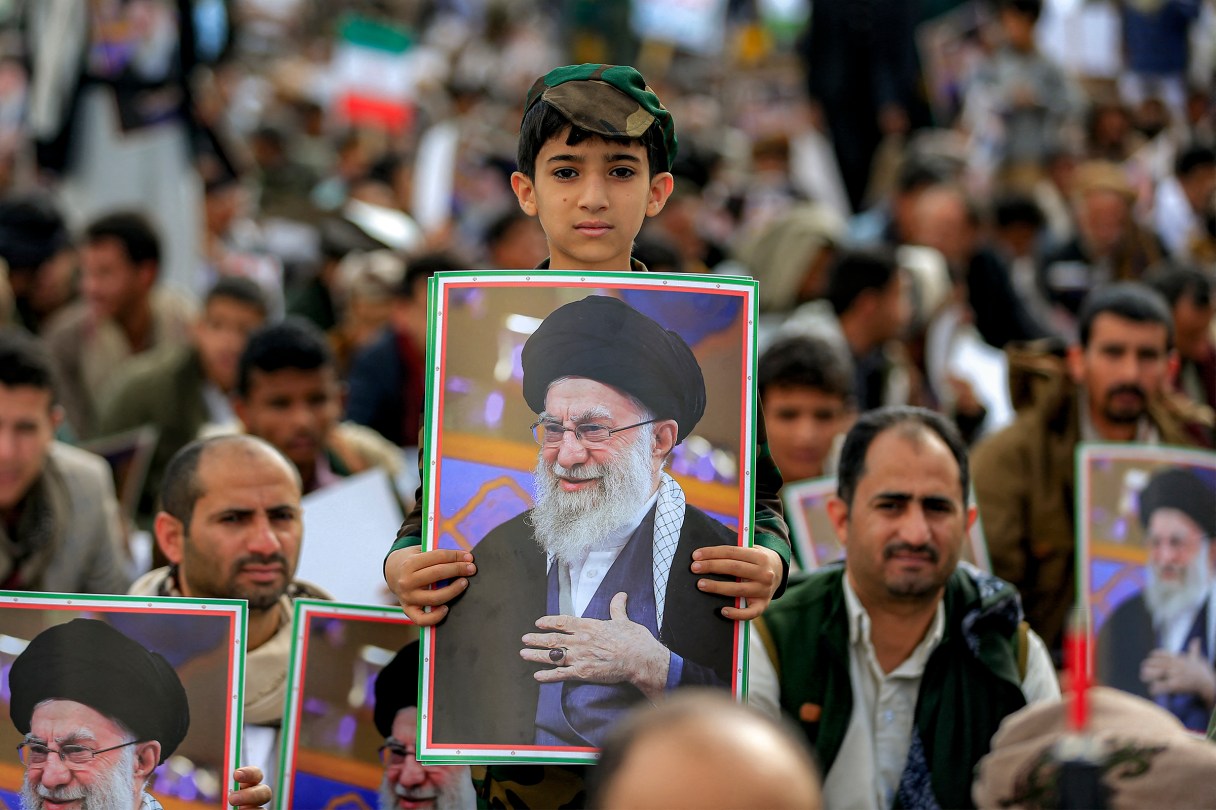
In politics, we often become captivated by personalities. Charismatic leaders dominate headlines, command television screens and shape public imagination. Their speeches, ambitions and conflicts can seem to define entire eras. Yet history reminds us of a deeper and more enduring truth: While leaders may shape moments, cultures shape eras.
The political culture of a nation — its institutions, traditions, governing habits and shared beliefs — often proves far more powerful and durable than any individual leader.
Public discourse frequently treats leaders as if they alone determine the fate of nations. Elections, revolutions and political movements are often framed around individuals whose names become symbols of an entire system. But leadership, no matter how powerful, operates within structures that are far older and far more resilient than any one person.
History offers many reminders of this reality.
When Ho Chi Minh died in 1969, the Vietnam War did not suddenly end. The ideology, institutions and revolutionary culture he helped build continued to guide the country’s direction. The machinery of the state and the broader political movement carried forward the same goals and strategies that had defined the revolution for years.