
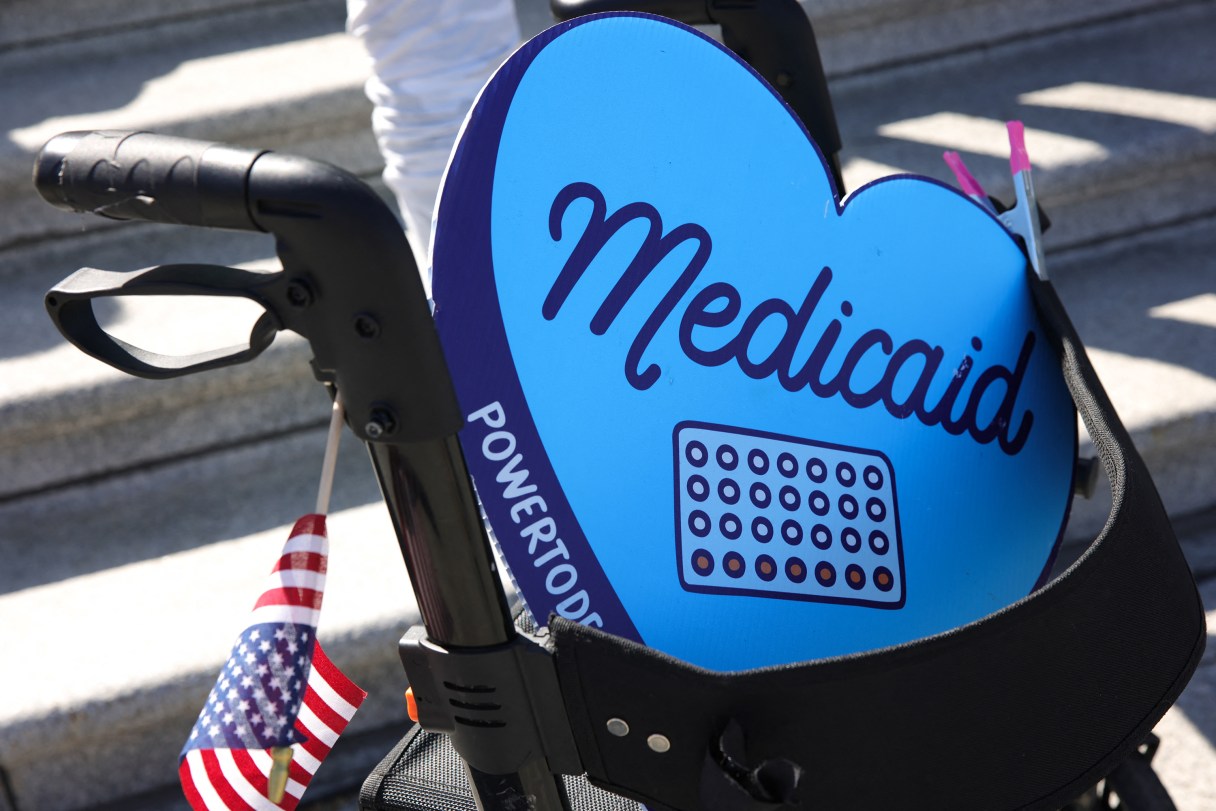
When Congress passed sweeping Medicaid cuts as part of President Donald Trump’s signature tax bill last year, the headlines were grim: Some 7.5 million people were expected to lose coverage due to changes to the program.
Now, an already bad situation for Americans’ health is getting worse. At every opportunity, the Trump administration is taking a harsher approach to implementing Medicaid. That could mean bigger headaches for state Medicaid agencies, more people needlessly losing insurance, and eroded access to care for everyone.
A large chunk of Trump’s nearly $1 trillion in Medicaid cuts will come from new work requirements for the program’s nearly 68 million enrollees, which go into effect on Jan. 1, 2027. Able-bodied adults will need to prove they have put in 80 hours each month working, going to school, training for a job or volunteering.
From the moment Trump signed his One Big Beautiful Bill last July, states have been scrambling to make sure their systems are ready to verify everyone’s insurance eligibility. Yet they were building those systems without a blueprint. The Centers for Medicare & Medicaid Services relayed its general thinking to states, but needed time to sketch out the details.
A lengthy document released by CMS last week threw that already difficult process into disarray. The law exempts people who are “medically frail” from the work requirement, and states had come up with plans to identify those enrollees. The expectation was that most states would rely on a list of conditions that would automatically qualify someone for an exemption — a list that could be further backed up by insurance claims data.