
Can we have too many of a certain animal in the wild? Well, if you want to bring this up at the barbershop or at the counter in the gun store, be ready for long discussions and possibly heated words from someone who has a lot of issues.
As some of you know, we have hashed this out in at least one previous “Guns & Cornbread” column, but I felt it needed further discussion. Before we get too far into the labyrinth of predators and wildlife management issues, is everyone good on your coffee? Anyone need more cream or sugar? (Ugh.)
OK, let’s see what I can give you to argue about here.
Predators and predator numbers are always an issue with hunters and fishermen. Different predators, of course, eat some of the game animals to survive. Some sportsmen take issue with this.
I don’t think many are saying that we should not have any predators. If you look up this subject, you will see a lot of talk about the “balance of nature.” In a nutshell, many believe there is a natural balance outdoors, and that if mankind simply leaves everything alone, the environment and all the animals will balance everything out as it supposed to be. I would say maybe, back in an ancient time, but I am not really in this camp.
(READ MORE: Our thinking on predators has changed dramatically)
In the modern world, with all of us humans on Earth, it is no longer a primeval time, and we try to manage such things. Hunters usually want the maximum numbers of game animals running around, be it deer, pheasants, turkeys or whatever. This is also not a practical or achievable goal.
As we have repeatedly said, any wildlife population reaching a maximum level and staying there is not feasible. Their numbers go up and down. Predators are a part of this.
By now, you are saying: “OK, Larry, we get it, but what is your answer for all this?”
Well, I really don’t think there is one.
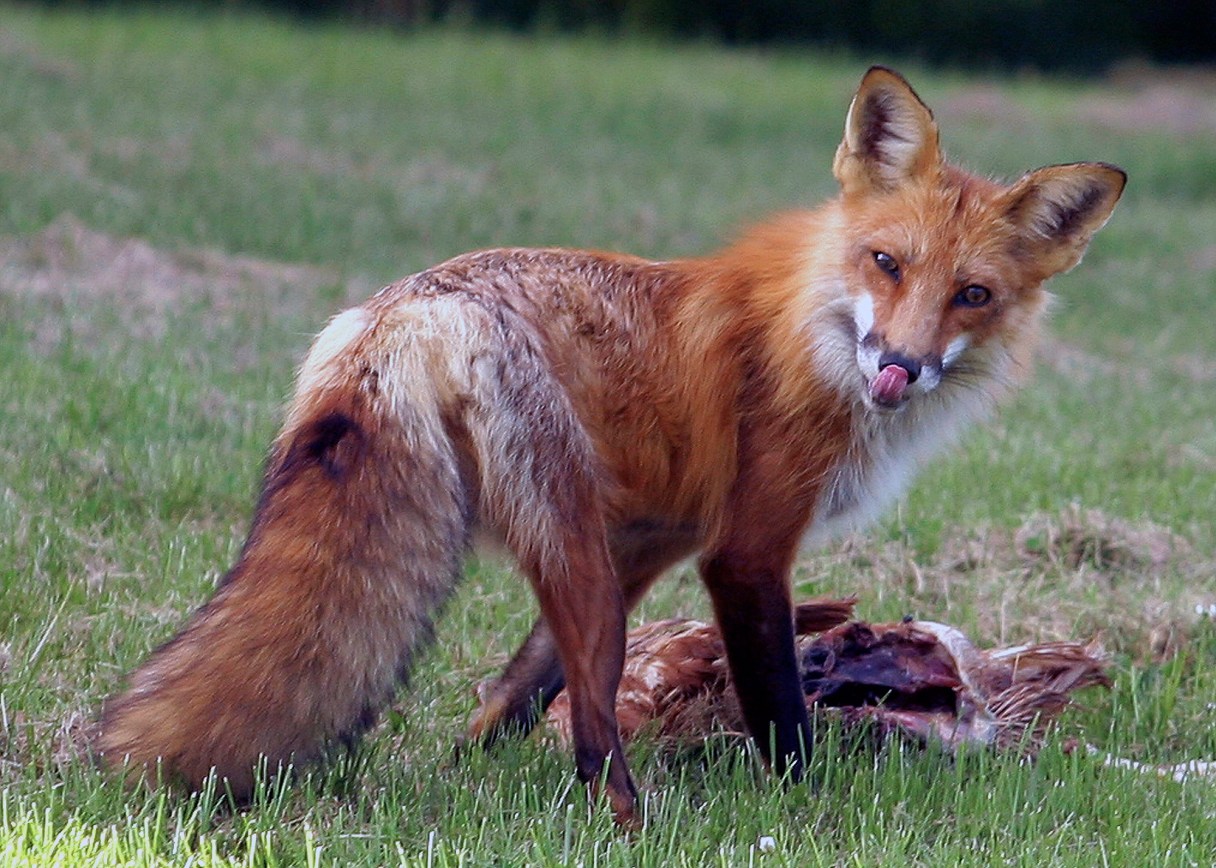
As noted here many times, our small mammal predators such as opossums, raccoons, skunks, bobcats and foxes can take a heavy toll on birds that nest on the ground. Grouse, quail and turkeys are prime targets for these animals. The first three on that list of predators are notorious for robbing the nest of a wild turkey; all of them, especially raccoons, will destroy every clutch of eggs they find.
As to what to do about it, it is hard to say. Trapping once helped keep these animals numbers in check as all of them are fur bearers. The fur market has been down for several years, though, and along with it, the numbers of trappers. In my area at least, people do not raccoon hunt as in the past. All this results in the highest populations of raccoons most of us have ever seen.
The coyote is included here, too, and is a predator for everything from mice to full-grown deer.
Birds of prey are a tricky subject in this realm. All birds of prey have been under federal protection as well as by state law for many years. Now, before everyone gets up in arms about me even insinuating birds of prey numbers should be reduced, I would note that the U.S. Fish and Wildlife Service recently floated a plan to kill up to 500,000 or more barred owls. The USFWS stated that the spotted owl in the Northwest was being threatened with the barred owl expanding its range and crowding out the smaller spotted owl. How those numbers were derived, I am not sure.
Although not protected everywhere, crows are big predators on bird nests on the ground and in trees, and they account for a lot of destroyed nests for quail and turkeys, as well as songbirds.
Now on to bears. Some of us may not think of bears as predators, but they certainly are.
Bears are omnivores, which means they will eat about anything. Black bears can put a big dent in the whitetail deer fawn populations. Bears will actively hunt for fawns in the spring, when they are most vulnerable.
Fawns have an early stage where their main defense is to lie still to let danger pass. Bears have a very keen sense of smell, and they use it to hunt these young deer. In the West, the grizzly bear is expanding its range, and they hunt deer fawns and elk calves. It is not pretty, but it is nature.
(READ MORE: For young wildlife, the living isn’t easy in the summertime)
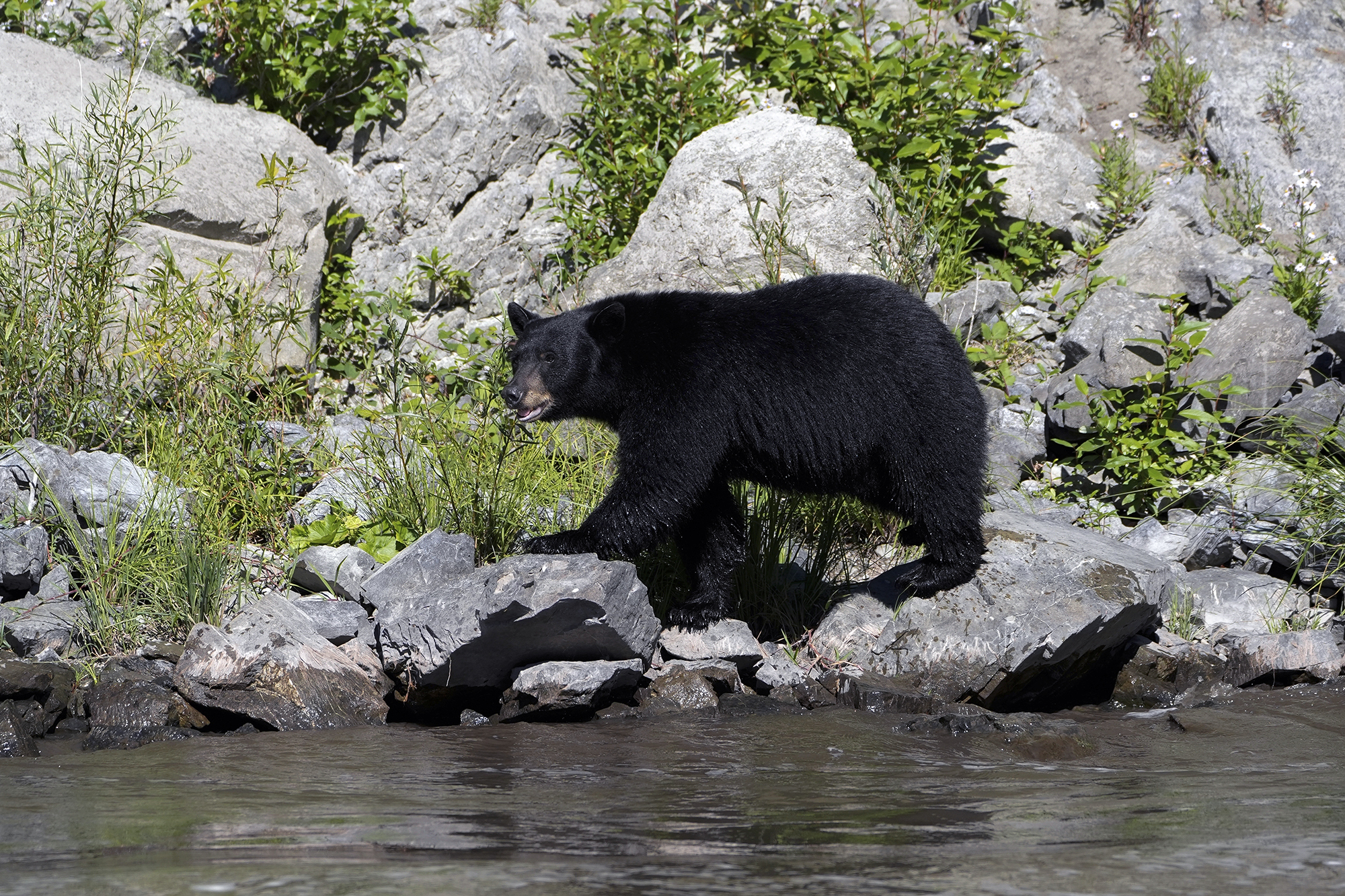
Another aspect of the bear thing is that they can be predators to us, the humans who think they are above all this. This year, the news reports and the internet have been flooded with accounts of bear attacks, both black bears and brown bears (grizzlies). These range from apparent defensive attacks where the bear had cubs or may have been defending a recent kill, to running into hikers or hunters unexpectedly, and in some incidents, coming into a homeowner’s yard.
Bears are sometimes known to instigate predatory attacks where they are hunting the person for food. For whatever reason, the number of bear attacks in the East and the West has skyrocketed this year.
Another side of this complicated issue is the addition of predators that are invasive, in that they are not native to an area and have been introduced either accidentally or on purpose. We may not always think of reptiles when talking about predators, but they are.
The Burmese python was introduced into the Florida Everglades several years ago. Florida, with near tropical conditions, has always been a hot spot for the exotic reptile trade. People who thought it was cool to have a small constrictor snake began to change their minds when the python was approaching 10 feet long (they get much bigger) and started eyeing their cat as a snack.
Lots of these snakes were released into the wild. Then in 1992, when a reptile facility was damaged by the devastation of Hurricane Andrew, hundreds of Burmese pythons crawled off to do what they do — mainly make more snakes. Burmese pythons lay huge clutches of eggs, and these snakes eat anything they can catch and swallow. Their prey can include everything from small mammals to alligators, and up to a medium-sized deer.
Soon enough, the Everglades was up to its earlobes in big predatory snakes.
Right about now, some of you are saying: “He left out the wolves that were transplanted into the Yellowstone area.” Many see the wolf that was released there as an invasive species because they came from Canada. This was a bigger version of the timber wolf than would have been found there originally.
Opinions are all over the map on wolves, but they are not popular with hunters, ranchers and many of the residents there. Some other states, including Colorado, are experimenting with transplanting wolves. Big mistake, in my opinion.
Do we have too many predators? I don’t know. But they are here, and us humans may be rethinking that we are at the top of the food chain.
More coffee?
“Guns & Cornbread” is written by Larry Case, who lives in Fayette County, W.Va. You can write to him at larryocase3@gmail.com.