
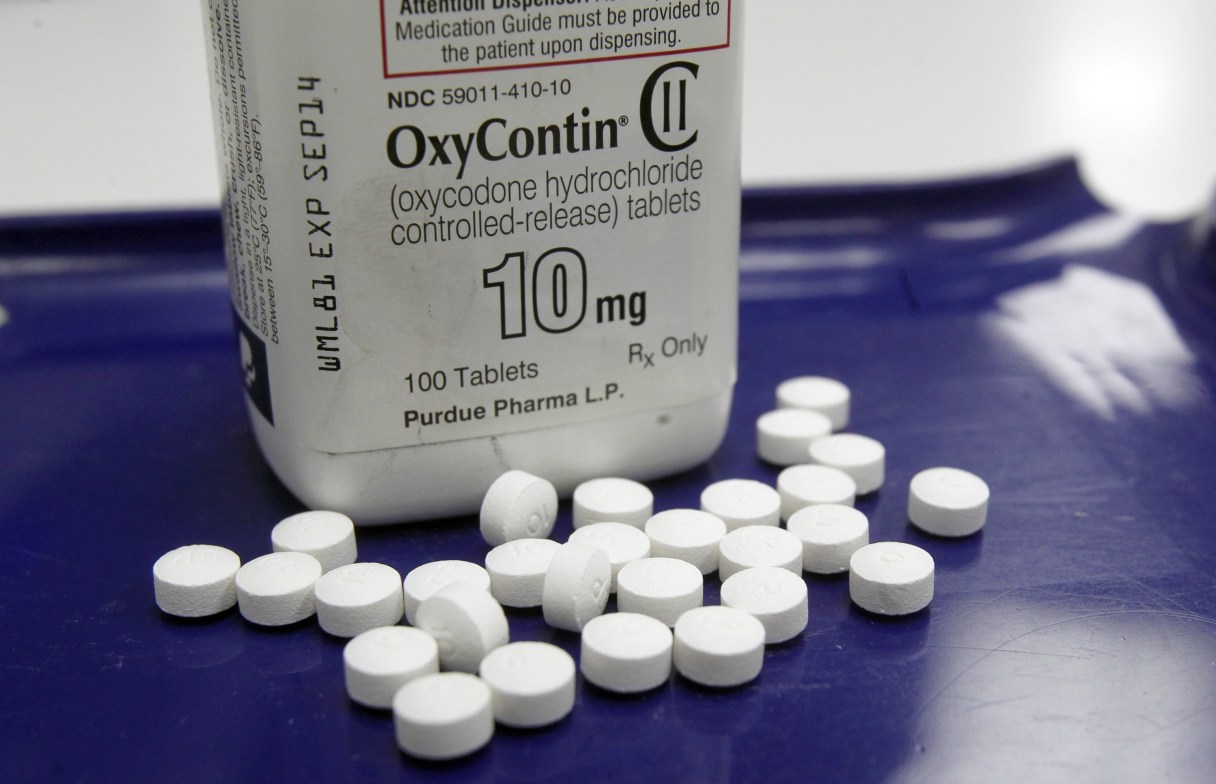
The headlines are telling.
“U.S. drug overdose deaths reach new record high,” was an August CNN banner over news from the National Center for Health Statistics that we were on track for another record year for drug overdoses – largely thanks to opioids. Those opioids include legal prescription painkillers as well as heroin and street fentanyl.
“Trump declares opioid crisis national emergency,” was the clarion call of NBC News just days later.
“Drug overdose deaths jump to record level.” That local headline last week led off a story about opioid abuse in Tennessee and Chattanooga.
All the while, the GOP majority Congress has been in a fever to repeal the Affordable Care Act and replace it with a Trump/GOPcare alternative that not only bumps about 30 million working Americans off their insurance plans in the coming decade but also would no longer cover addiction treatment. Depending on state “flexibility,” it could also jack up the premiums for pre-existing conditions and middle-age enrollees, meaning many workers won’t be able to afford it even if coverage is available.