
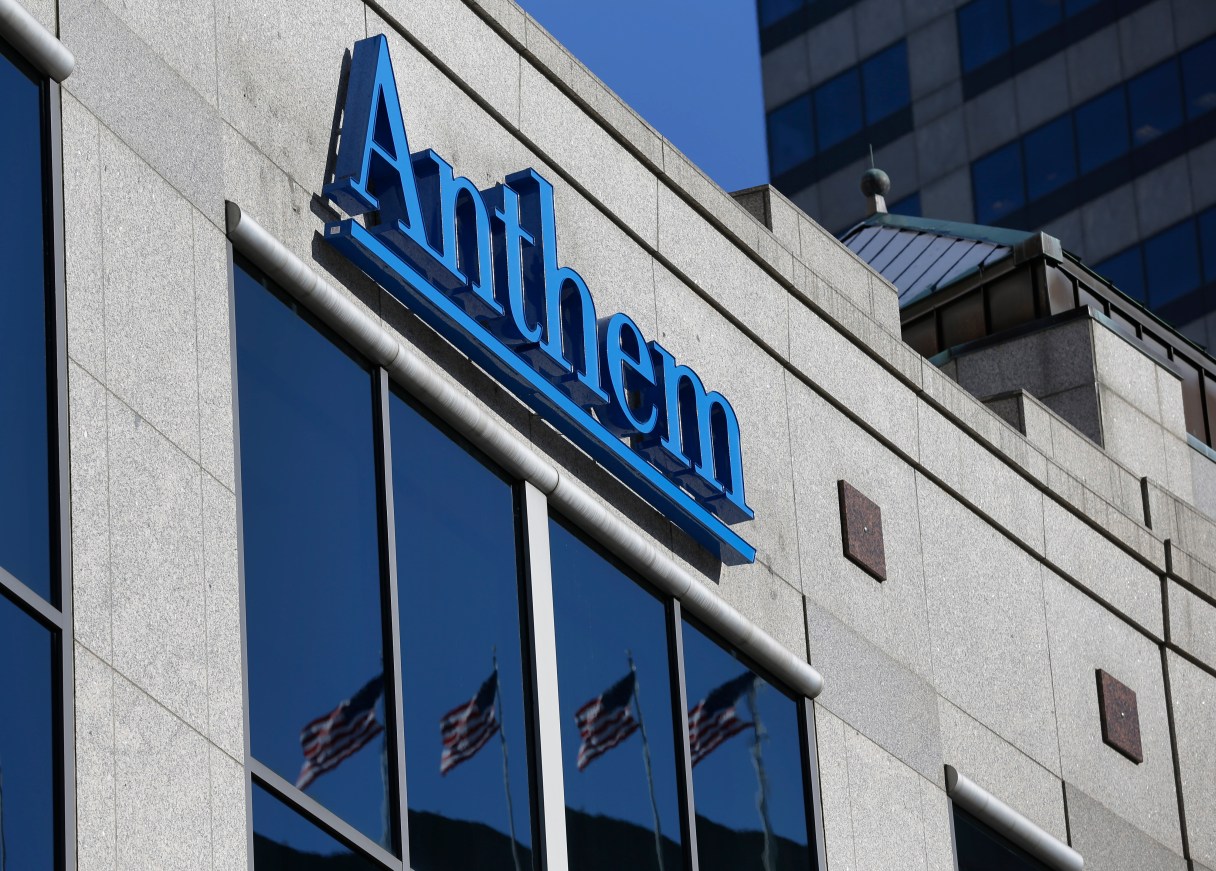
Health care offers attractive growth opportunities for cyber criminals looking to steal reams of personal information, as the hacking of a database maintained by the second-largest U.S. health insurer proves.
The latest breach at health insurer Anthem Inc. follows a year in which more than 10 million people were affected by health care data breaches – including hacking or accidents that exposed personal information, such as lost laptops – according to a government database that tracks incidents affecting at least 500 people. The numbers, compiled by the Department of Health and Human Services, show that last year was the worst for health care hacking since 2011, when more than 11 million people were affected.
Health care hacking is becoming more of a focus as retailers and other businesses have clamped down on security after massive breaches at companies like Target and Home Depot. That has made it more difficult in some cases for cyber thieves to infiltrate their systems. As a result, they’ve turned their attention toward health care.
Experts say health care companies can provide many entry points into their systems for crooks to steal data. And once criminals get that information, they can pull off far more extensive and lucrative schemes.
“If someone steals your credit card and home address, they might be able to buy something, but you can usually get that locked down quickly,” said Tony Anscomb, a security expert with the cyber-security firm AVG Technologies. “With medical records and a social security number, it’s not so simple.”