
Thursday, November 12, 2026Nov 12

Amid uncertainty, UK Treasury chief to offer bleak outlook

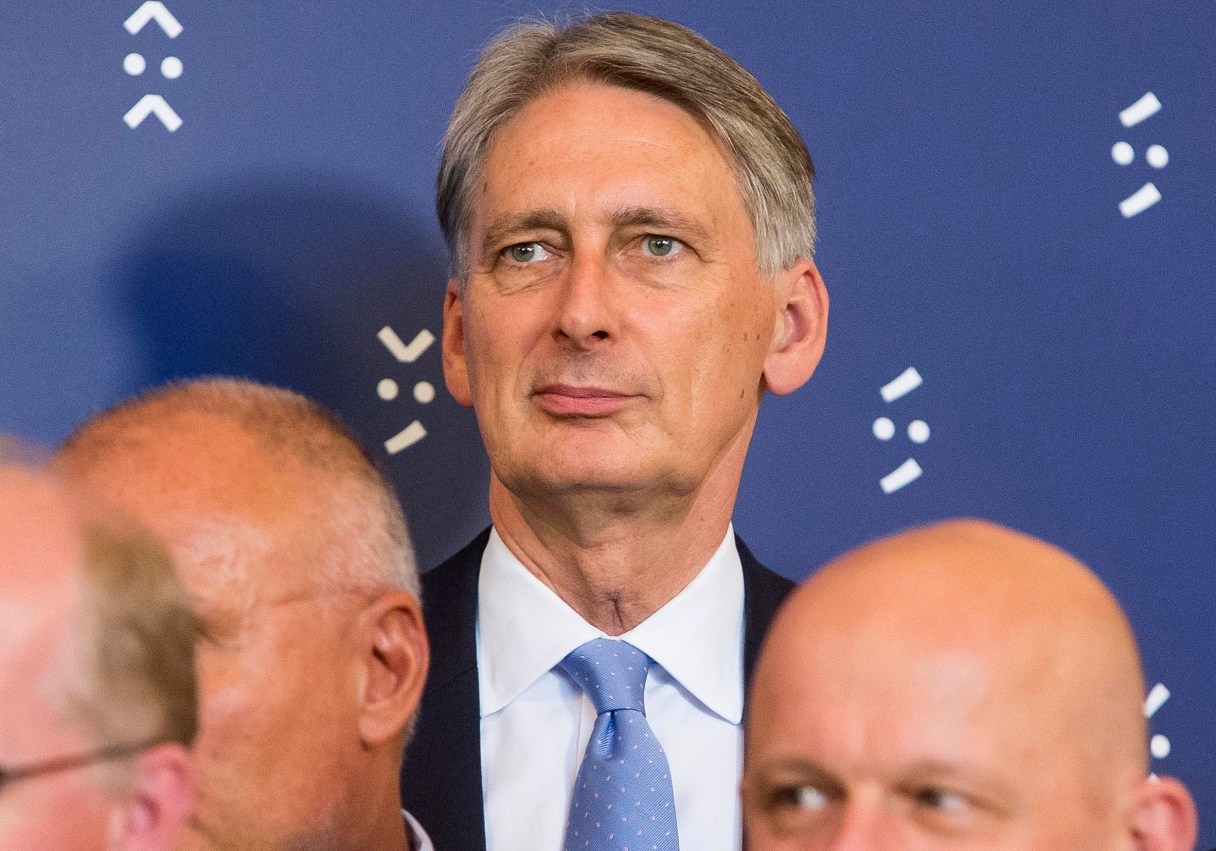
FILE - In this Friday, Sept. 9, 2016 file photo, British Minister of Finance Philip Hammond prepares for a group photo, after the Eurogroup's deliberations at the Informal Meeting of Ministers for economic and financial affairs, in Bratislava, Slovakia. Britain's Treasury chief Philip Hammond said Sunday Nov. 20, 2016, the economy could face a slowdown because of the uncertainty caused by the U.K.'s decision to leave the European Union.  (AP Photo/Bundas Engler, File)
FILE - In this Friday, Sept. 9, 2016 file photo, British Minister of Finance Philip Hammond prepares for a group photo, after the Eurogroup's deliberations at the Informal Meeting of Ministers for economic and financial affairs, in Bratislava, Slovakia. Britain's Treasury chief Philip Hammond said Sunday Nov. 20, 2016, the economy could face a slowdown because of the uncertainty caused by the U.K.'s decision to leave the European Union. (AP Photo/Bundas Engler, File) FILE - In this Friday, Sept. 9, 2016 file photo, British Minister of Finance Philip Hammond prepares for a group photo, after the Eurogroup's deliberations at the Informal Meeting of Ministers for economic and financial affairs, in Bratislava, Slovakia. Britain's Treasury chief Philip Hammond said Sunday Nov. 20, 2016, the economy could face a slowdown because of the uncertainty caused by the U.K.'s decision to leave the European Union. (AP Photo/Bundas Engler, File)

LONDON (AP) – Britain’s Treasury chief is likely to offer a stark outlook for the country as he outlines his priorities in taxes and spending in the first budget update since the country voted to leave the European Union.

As Philip Hammond delivers the biannual economic statement to lawmakers Wednesday, the level of uncertainty is particularly high, with talks on Britain’s EU exit yet to even start.

He can take some solace in the resilience of the British economy in the months following the seismic June 23 referendum. It has not fallen into recession, as some feared.

But government finances have tightened significantly, leaving little room for spending increases that experts say are needed to help the lower- and middle-income families that are struggling with previous agreed austerity measures.

“What I would hope to see is a relaxation of austerity but with a new fiscal framework that will allow some investment into the economy,” said Michael Kitson, an economist at the University of Cambridge’s Judge Business School.