
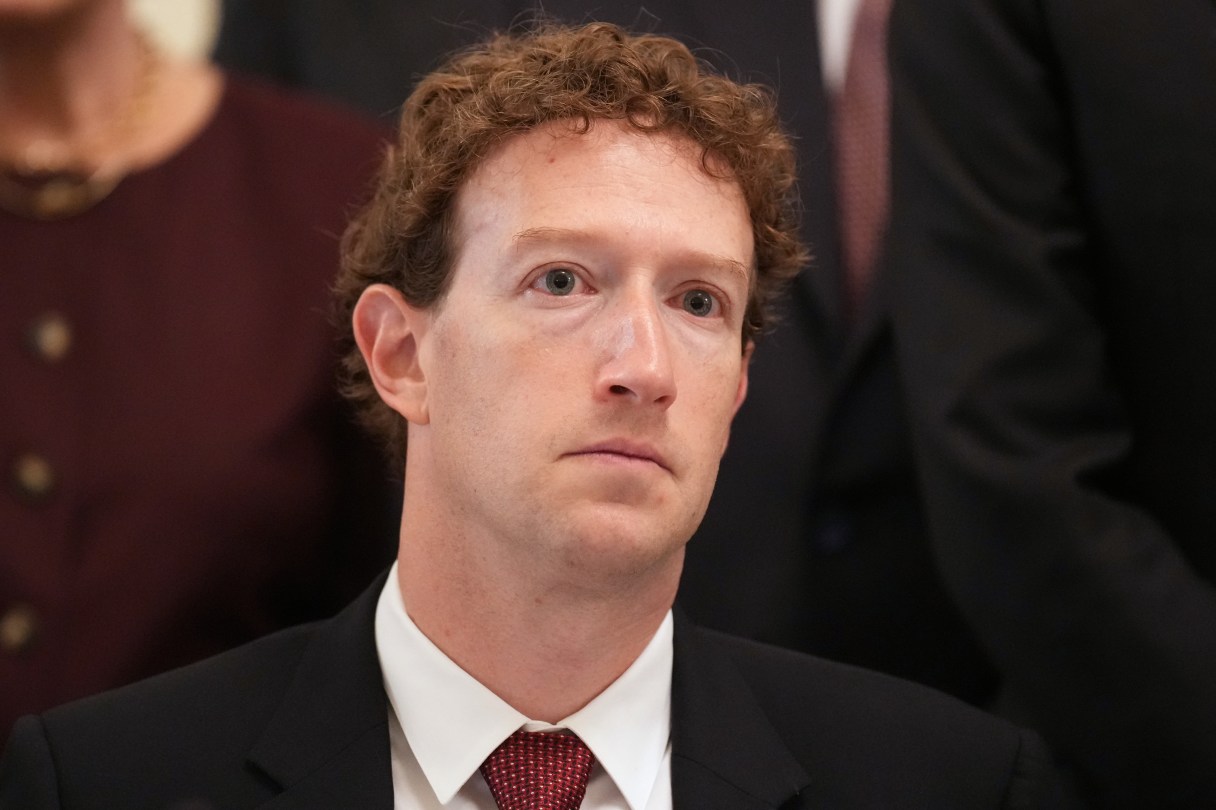
SACRAMENTO, Calif. (AP) — Mark Zuckerberg made a deal with Meta’s board to help him pay a proposed California tax on billionaires without losing his ownership stake in the company he founded, according to regulatory filings published this week.
If passed by voters in the Nov. 3 election, the measure would levy a one-time 5% tax on the wealth of Californians whose net worth exceeds $1 billion. Zuckerberg is the sixth-richest person in the world with a net worth estimated at more than $220 billion, according to Forbes. That would put his tax liability at more than $11 billion.
Actions announced by the tech giant on Wednesday will keep Zuckerberg as the majority owner of the company — and also give him the ability to sell some of a new class of non-voting shares “for any reason,” including to pay potential bills from the wealth tax.
The compromise came after Zuckerberg told the board he was considering selling his Palo Alto home last month in anticipation of the proposed tax. But he later struck the deal and committed to staying in California for eight years, unless “material unforeseen circumstances” arise that make it “prudent or advisable for him to reside elsewhere,” according to the filings.
A few hundred billionaires live in California, according to the nonpartisan Legislative Analyst’s Office. The tax would apply to anyone with a primary residence in the state as of Jan. 1, 2026.