
Tuesday, November 10, 2026Nov 10

Rapid growth leaves Asian airlines searching for pilots

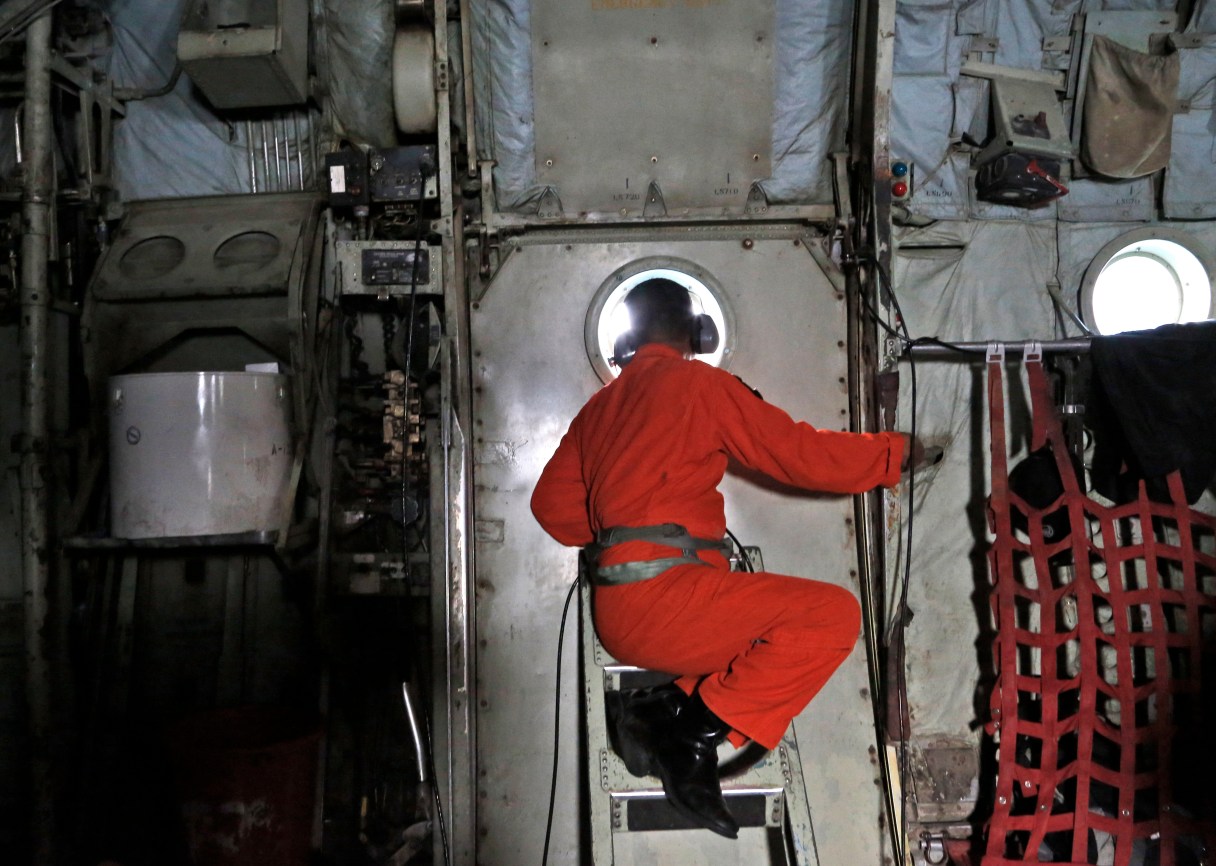
A crew of an Indonesian Air Force C-130 airplane of the 31st Air Squadron, looks out of the window during a search operation for the missing AirAsia flight 8501 jetliner over the waters of Karimata Strait in Indonesia, Monday, Dec. 29, 2014. Search planes and ships from several countries on Monday were scouring Indonesian waters over which an AirAsia jet disappeared, more than a day into the region's latest aviation mystery. AirAsia Flight 8501 vanished Sunday in airspace thick with storm clouds on its way from Surabaya, Indonesia, to Singapore. (AP Photo/Dita Alangkara)
A crew of an Indonesian Air Force C-130 airplane of the 31st Air Squadron, looks out of the window during a search operation for the missing AirAsia flight 8501 jetliner over the waters of Karimata Strait in Indonesia, Monday, Dec. 29, 2014. Search planes and ships from several countries on Monday were scouring Indonesian waters over which an AirAsia jet disappeared, more than a day into the region's latest aviation mystery. AirAsia Flight 8501 vanished Sunday in airspace thick with storm clouds on its way from Surabaya, Indonesia, to Singapore. (AP Photo/Dita Alangkara) A crew of an Indonesian Air Force C-130 airplane of the 31st Air Squadron, looks out of the window during a search operation for the missing AirAsia flight 8501 jetliner over the waters of Karimata Strait in Indonesia, Monday, Dec. 29, 2014. Search planes and ships from several countries on Monday were scouring Indonesian waters over which an AirAsia jet disappeared, more than a day into the region's latest aviation mystery. AirAsia Flight 8501 vanished Sunday in airspace thick with storm clouds on its way from Surabaya, Indonesia, to Singapore. (AP Photo/Dita Alangkara)

NEW YORK (AP) – Every week, a combined total of 28 new planes roll off the assembly lines at Airbus, Boeing, Bombardier and Embraer factories – the fastest production rate in the history of commercial aviation. Most of those aircraft feed the insatiable demand in Asia.

The rapid growth of Asian airlines is helping bolster economies and change lifestyles, but it’s also creating a daunting safety challenge as more passengers head into an increasingly crowded airspace.

Much of the boom has been driven by the surge in popularity of Southeast Asia’s budget carriers, such as AirAsia, whose Flight 8501 disappeared Sunday morning, 42 minutes after it took off from Surabaya, Indonesia, on its way to Singapore. It is still unclear what happened to the plane, but the aviation disaster has put a new spotlight on the obstacles that lie ahead for the booming region.

As Southeast Asia’s economies grow, creating a burgeoning middle class, more people have the appetite to travel and airlines are struggling to ensure that their training and safety standards keep pace with the demand.

There are currently 1,600 aircraft operating in Southeast Asia, Brendan Sobie, analyst at the CAPA Centre for Aviation, a consultancy in Sydney, said by email. “It is the only region in the world with as many aircraft on order as in service,” he said. “So the growth seems set to continue.”