
Wednesday, November 11, 2026Nov 11

Research: Polar bears can’t conserve energy during fasting

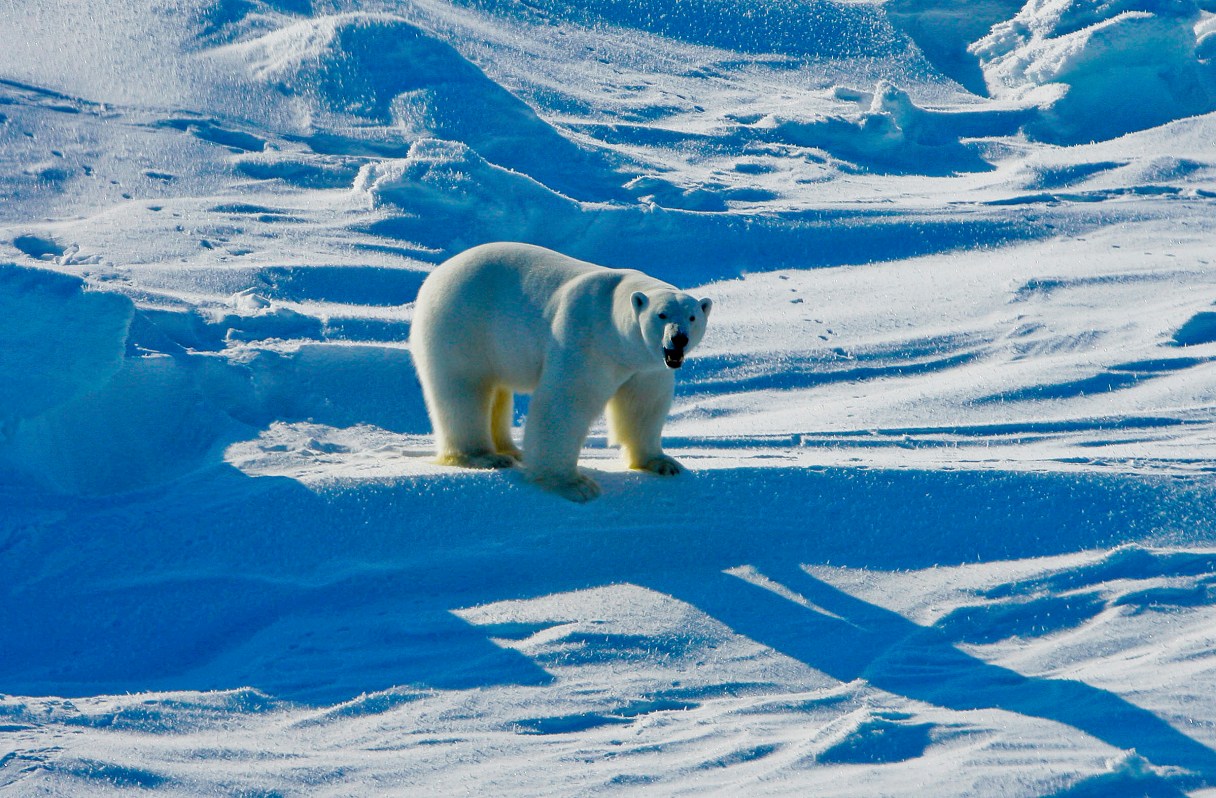
This March 25, 2009 photo provided by the U.S. Geological Survey, shows a polar bear in the Beaufort Sea region of Alaska. A study that examined polar bears in Alaska’s Beaufort Sea concludes that the animals possess no ability to minimize energy loss during long periods of fasting in a sort of "walking hibernation." The paper published Thursday, July 16, 2015, in the journal Science instead concludes that polar bears are unlikely to avoid harmful declines in body condition associated with continued sea ice loss due to climate warming and an associated loss of hunting opportunities on ice. (Mike Lockhart/U.S. Geological Survey via AP)
This March 25, 2009 photo provided by the U.S. Geological Survey, shows a polar bear in the Beaufort Sea region of Alaska. A study that examined polar bears in Alaska’s Beaufort Sea concludes that the animals possess no ability to minimize energy loss during long periods of fasting in a sort of "walking hibernation." The paper published Thursday, July 16, 2015, in the journal Science instead concludes that polar bears are unlikely to avoid harmful declines in body condition associated with continued sea ice loss due to climate warming and an associated loss of hunting opportunities on ice. (Mike Lockhart/U.S. Geological Survey via AP) This March 25, 2009 photo provided by the U.S. Geological Survey, shows a polar bear in the Beaufort Sea region of Alaska. A study that examined polar bears in Alaska’s Beaufort Sea concludes that the animals possess no ability to minimize energy loss during long periods of fasting in a sort of "walking hibernation." The paper published Thursday, July 16, 2015, in the journal Science instead concludes that polar bears are unlikely to avoid harmful declines in body condition associated with continued sea ice loss due to climate warming and an associated loss of hunting opportunities on ice. (Mike Lockhart/U.S. Geological Survey via AP)

ANCHORAGE, Alaska (AP) – A study of an Alaska polar bear population in summer concludes the bear’s biology will not help stave off starvation in the face of global warming.

The study of southern Beaufort Sea polar bears by university, federal and private researchers over three years concludes they have no special ability to minimize energy loss during increasing periods of fasting brought on by climate warming, less sea ice and fewer hunting days.

The research rejects the idea that polar bears can avoid harmful declines in body condition in a sort of “walking hibernation,” as suggested by 1970s research.

Co-author, Steve Amstrup, a retired U.S. Geological Survey polar bear researcher now affiliated with Montana-based Polar Bears International, said the “walking hibernation” theory arose with observations of bears at Canada’s Hudson Bay.

The paper published Thursday in the journal Science instead concludes that polar bears have no such ability to conserve energy and react like all other mammals when faced with limited food.