
NEW DELHI (AP) – India’s increasing coronavirus caseload made the Asian giant the world’s second-worst-hit country behind the United States on Monday, as its efforts to head off economic disaster from the pandemic gain urgency.
The 90,802 cases added in the past 24 hours pushed India’s total past Brazil with more than 4.2 million cases. India is now behind only the United States, where more than 6.2 million people have been infected, according to Johns Hopkins University.
India’s Health Ministry on Monday also reported 1,016 new deaths for a total of 71,642, the third-highest national toll.
The world’s second-most populous country with 1.4 billion people, India has been recording the world’s largest daily increases in coronavirus cases for almost a month. Despite over 2 million new cases in the past month and the virus spreading through the country’s smaller towns and villages, the Indian government has continued relaxing restrictions to try and resuscitate the economy.
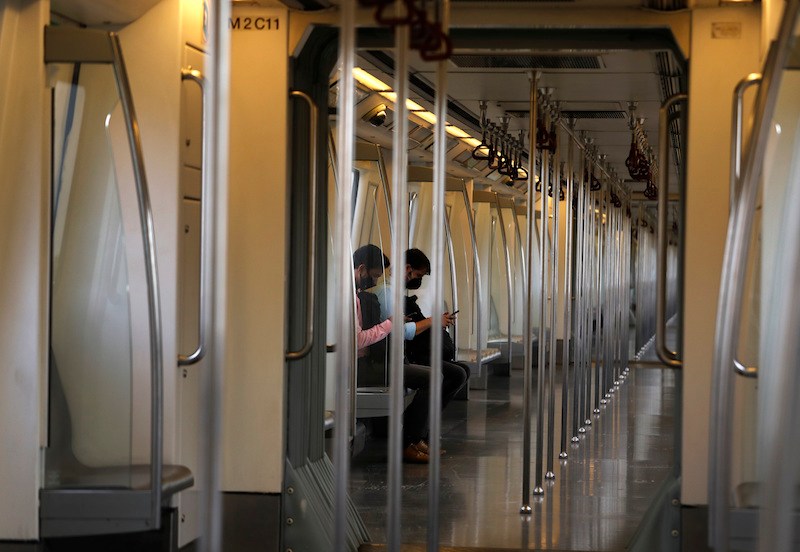
On Monday, the Delhi Metro, which serves India’s sprawling capital, New Delhi, and adjoining areas, resumed operations after remaining shuttered for more than five months. The commuters were scarce and stations deserted. Only asymptomatic people were allowed to board the trains, with masks, social distancing and temperature checks mandatory.