Thursday, October 29, 2026Oct 29

Sam D. Elliott


Elliott: A war correspondent on Lookout Mountain

War correspondents have been around the American military for many years, and such was certainly the case in the Civil War. Their work provides the modern historian with valuable insights on the operations of the armies and the morale of the men who fought, and the campaign for Chattanooga in 1863 is no exception. A letter from a correspondent from the Atlanta Register written about a week before the Confederate defeat at Chattanooga provides a lengthy and interesting description of his observations from a trip to the top of Lookout Mountain. The pro-Confederate Register was a Knoxville paper that fled to Atlanta when Knoxville fell to the Federal forces earlier in 1863.
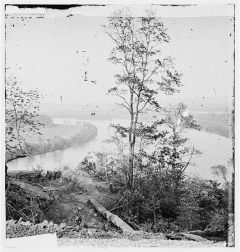
This view shows Moccasin Bend from Confederate positions on Lookout Mountain.

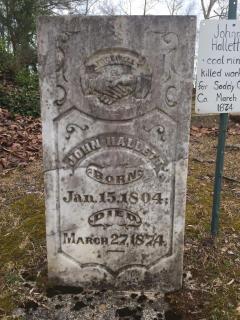
Elliott: Welsh coal miners transformed Soddy after the Civil War

After the Civil War, the Chattanooga area experienced an influx of northern investors and immigrants seeking opportunity in the area's rich natural resources and the transportation network of railroads and river that made Chattanooga so important during the war. As part of this trend, the mostly Scots-Irish inhabitants of the northern end of Hamilton County saw an influx of Welsh-born immigrants from coal-mining areas of the north, chiefly Pennsylvania and Ohio. Their arrival began a decades-long transformation of the small farming community of Soddy, and to a lesser extent Sale Creek, into a bustling area supporting significant mining operations.

elliottwelsh-coal-miners-transformed-soddy-af

Elliott: Feinting and fighting at Running Water Creek and Johnson’s Crook

On Sept. 22, 1863, two days after the Confederate victory at Chickamauga, Maj. Gen. William Tecumseh Sherman while at Vicksburg, Miss., received orders from Maj. Gen. Ulysses S. Grant to dispatch the first of what became four divisions of reinforcements to the beleaguered Army of the Cumberland at Chattanooga. Sherman was directed to move eastward from Memphis and repair the railroads as he advanced. As things worsened at Chattanooga, he was told to suspend the repair work and "hurry eastward with all possible dispatch to Bridgeport."

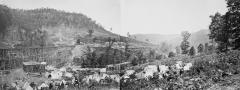
Looking down the Valley of Running-Water Creek from near Whiteside's, Tenn., Nashville & Chattanooga R.R. bridge on the left