Science
The latest Science coverage from the Chattanooga Times Free Press, part of our News section.
More in Science, page 39
-
Countdown begins for April’s total solar eclipse. What to know about watch parties and safe viewing
The sun is about to pull another disappearing act across North America, turning day into night during a total solar eclipse.

-
The race is on to stop Ozempic muscle loss
As drugs like Ozempic become increasingly popular for weight loss, more doctors and patients are looking for ways to counteract the muscle loss that can happen on these medications — and companies are racing to meet that demand.
-
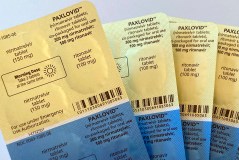
Paxlovid can lessen the chance of a severe COVID-19 illness. Why is it underused?
Tens of thousands of Americans are hospitalized with COVID-19 every week. Thousands die from it every month. And yet, an antiviral treatment proven to lessen the chances of severe outcomes is going underused.
-
Los Angeles records nearly 400 mudslides during deadly storm that has drenched Southern California
One of the wettest storms in Southern California history unleashed nearly 400 mudslides in the Los Angeles area after dumping more than half the amount of rainfall the city typically gets in a season in just two days, and officials warned Tuesday that the threat was not over yet.

-
Meta says it will label AI-generated images on Facebook and Instagram
Facebook and Instagram users will start seeing labels on AI-generated images that appear on their social media feeds, part of a broader tech industry initiative to sort between what’s real and not.

-
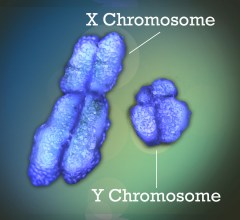
Lupus and other autoimmune diseases strike far more women than men. Now there’s a clue why
Women are far more likely than men to get autoimmune diseases, when an out-of-whack immune system attacks their own bodies — and new research may finally explain why.
-
The US hasn’t seen syphilis numbers this high since 1950. Other STD rates are down or flat
The U.S. syphilis epidemic isn't abating, with the rate of infectious cases rising 9% in 2022, according to a new federal government report on sexually transmitted diseases in adults.

-
Elon Musk says the first human has received an implant from Neuralink, but other details are scant
According to Elon Musk, the first human received an implant from his computer-brain interface company Neuralink over the weekend.

-
Experimental gene therapy allows kids with inherited deafness to hear
Gene therapy has allowed several children born with inherited deafness to hear.

-
Scientists find about a quarter million invisible nanoplastic particles in a liter of bottled water
The average liter of bottled water has nearly a quarter million invisible pieces of ever so tiny nanoplastics, detected and categorized for the first time by a microscope using dual lasers.