
Wednesday, November 11, 2026Nov 11

Budget deal erodes limits on political money

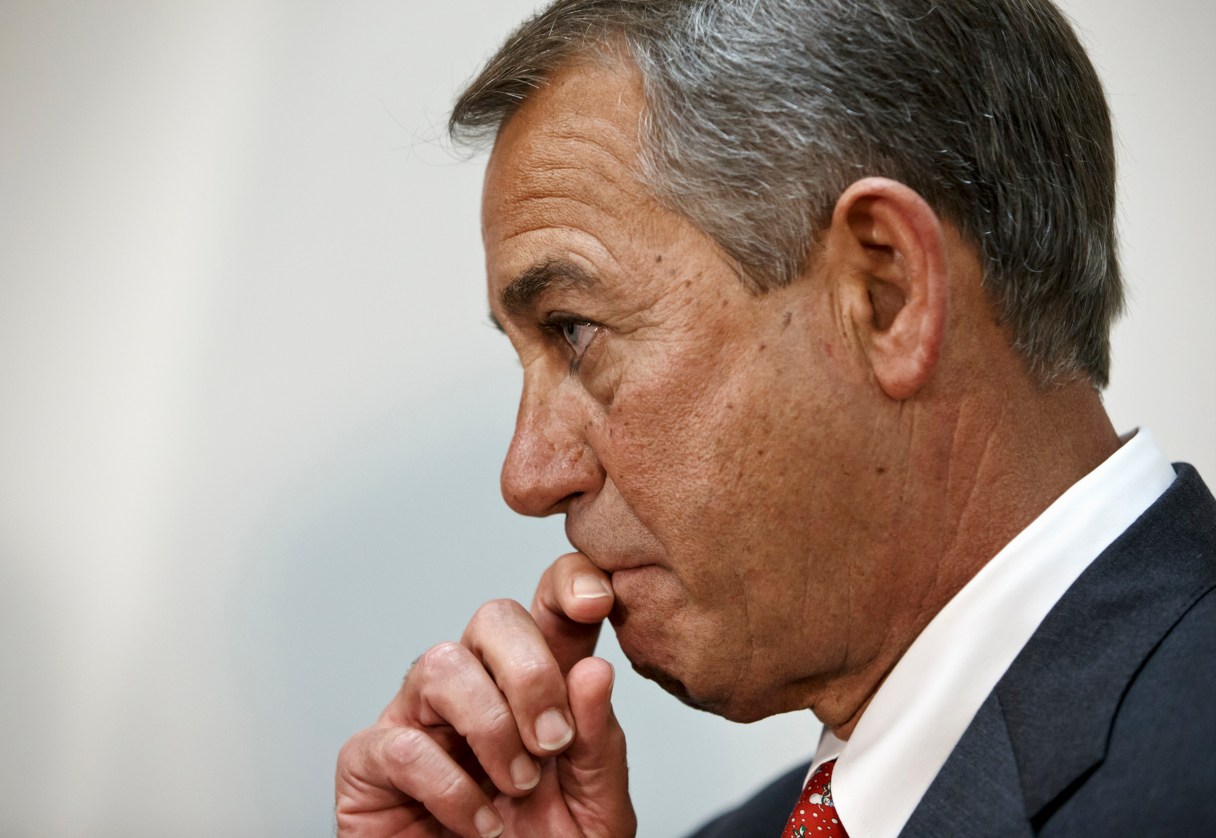
House Speaker John Boehner of Ohio pauses before meeting with reporters on Capitol Hill in Washington, Wednesday, Dec. 10, 2014,  following a House GOP caucus meeting. With time running short before Congress adjourns, Republicans and Democrats agreed Tuesday on a $1.1 trillion spending bill to avoid a government shutdown and delay a politically-charged struggle over President Barack Obama's new immigration policy until the new year. (AP Photo/J. Scott Applewhite)
House Speaker John Boehner of Ohio pauses before meeting with reporters on Capitol Hill in Washington, Wednesday, Dec. 10, 2014, following a House GOP caucus meeting. With time running short before Congress adjourns, Republicans and Democrats agreed Tuesday on a $1.1 trillion spending bill to avoid a government shutdown and delay a politically-charged struggle over President Barack Obama's new immigration policy until the new year. (AP Photo/J. Scott Applewhite) House Speaker John Boehner of Ohio pauses before meeting with reporters on Capitol Hill in Washington, Wednesday, Dec. 10, 2014, following a House GOP caucus meeting. With time running short before Congress adjourns, Republicans and Democrats agreed Tuesday on a $1.1 trillion spending bill to avoid a government shutdown and delay a politically-charged struggle over President Barack Obama's new immigration policy until the new year. (AP Photo/J. Scott Applewhite)

WASHINGTON (AP) – Congress is set to make it easier for political parties to collect bigger checks from their wealthiest backers – if Democrats do not scuttle the plan first.

Under a spending bill introduced in the Republican-led House, each superrich donor would be allowed to give almost $1.6 million per election cycle to political parties and their campaign committees. The comparable limit for 2014’s elections was $194,400.

The campaign finance proposal was tucked into an unrelated measure to keep most of the government open through the coming September.

The effort is the latest bid to weaken campaign finance rules passed after the Watergate scandal in the 1970s and updated a decade ago. It follows three Supreme Court rulings that gave rise to free-spending super PACs, which can accept unlimited contributions from people and corporations alike, and an increased role for outside groups to shape the outcome of elections.

House Democratic Leader Nancy Pelosi joined others in her party in roundly criticizing the bill and said the campaign finance proposal needed to be ditched.