
Tuesday, November 10, 2026Nov 10

Honduras kids see better life on soccer field

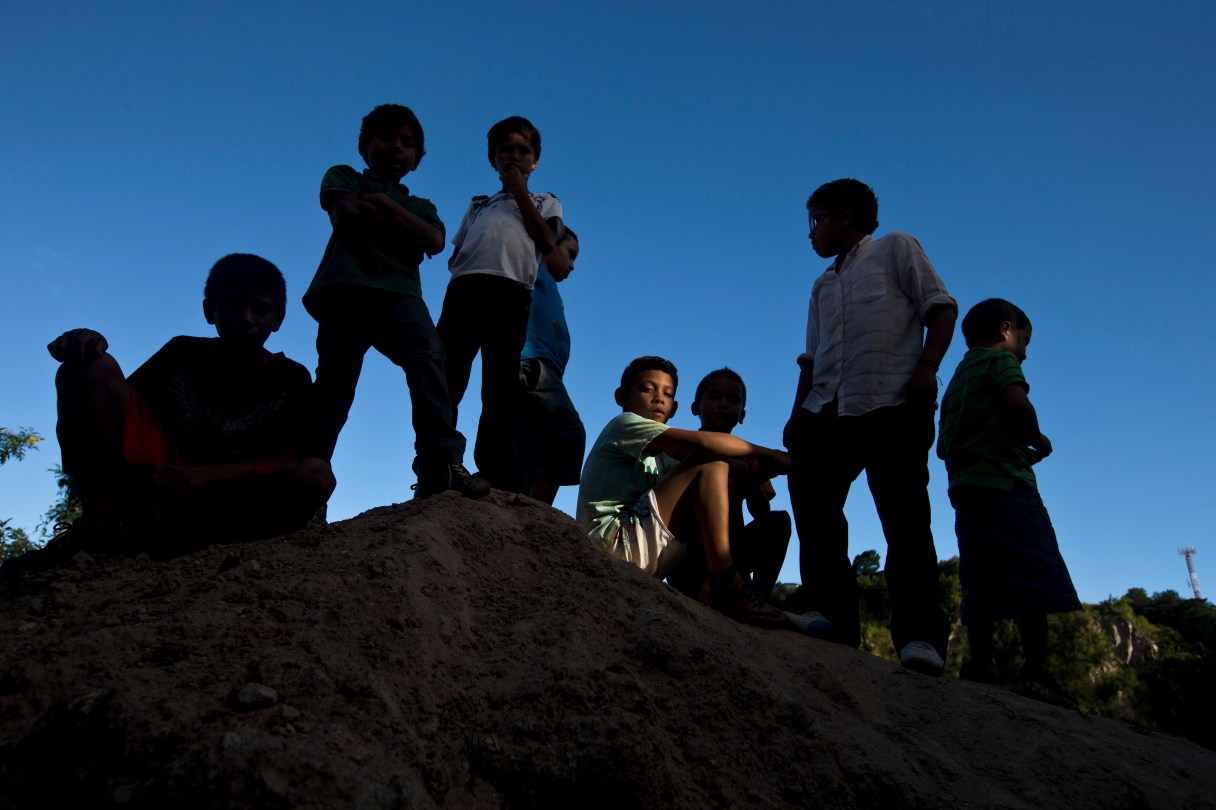
In this Sunday, Nov. 23, 2014 photo, 11-year-old Maynor Ayala, center, sits on a dirt mound, with his friends in the Progreso neighborhood of Tegucigalpa, Honduras. Maynor’s father wants him to make the illegal trip north to join him in the United States. But for now, Maynor choses to stay with his mother and play soccer with his friends. (AP Photo/Esteban Felix)
In this Sunday, Nov. 23, 2014 photo, 11-year-old Maynor Ayala, center, sits on a dirt mound, with his friends in the Progreso neighborhood of Tegucigalpa, Honduras. Maynor’s father wants him to make the illegal trip north to join him in the United States. But for now, Maynor choses to stay with his mother and play soccer with his friends. (AP Photo/Esteban Felix) In this Sunday, Nov. 23, 2014 photo, 11-year-old Maynor Ayala, center, sits on a dirt mound, with his friends in the Progreso neighborhood of Tegucigalpa, Honduras. Maynor’s father wants him to make the illegal trip north to join him in the United States. But for now, Maynor choses to stay with his mother and play soccer with his friends. (AP Photo/Esteban Felix)

TEGUCIGALPA, Honduras (AP) – The project that Luis Lopez created a year ago on a dusty soccer field in a rough neighborhood of Tegucigalpa is doing well.

It’s been six months since any of the 50 children who train with Lopez two hours a day, five days a week, has been murdered in a country where nearly 1,000 children were killed this year. None has left the team to migrate to the United States, where in 2014 border authorities arrested more than 8,000 Honduran children as they tried to reunite with parents working there.

Nor have they joined the street gangs that control their neighborhoods, using children to collect extortions, store and sell drugs and even commit murder.

This is progress in a neighborhood called Progreso, albeit one so fragile Lopez is hesitant to celebrate.

Lopez started the program to keep younger kids from joining adolescents who gathered around the dirt patch to smoke marijuana, sniff glue and recruit youngsters to run errands for the gangs.