
Thursday, November 12, 2026Nov 12

With cremations up, urn artists look for the beauty in death

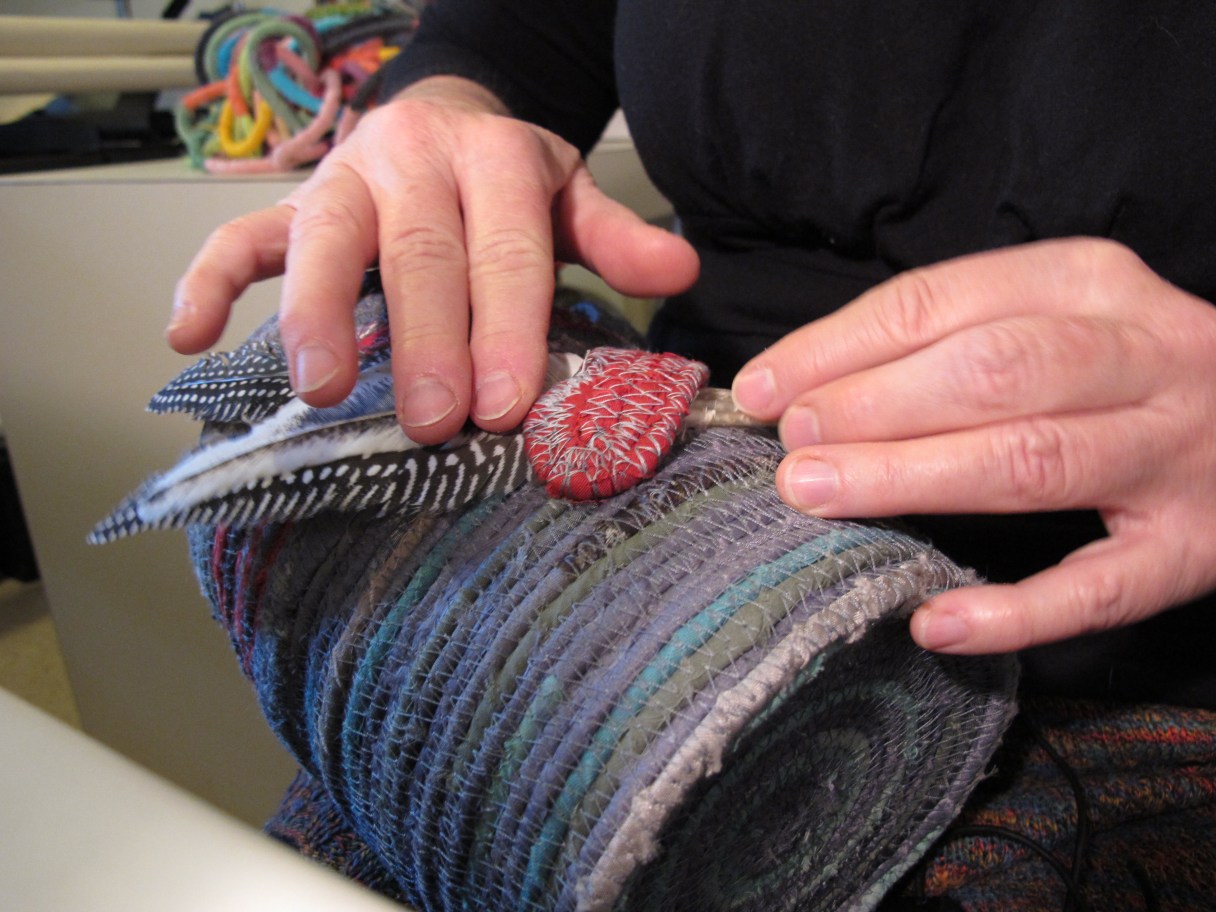
In this Feb. 9, 2015 photo, Julie Moore attaches a feather to a funerary urn at her home studio in Apex, N.C. Cremations in the United States have tripled since 1985, accounting for about 44 percent of all "dispositions," according to the Cremation Association of North America. On April 19, Oakwood Cemetery in Raleigh, N.C., is hosting its first Urn Art & Garden Faire, a juried competition that has drawn entries from across the country.  (AP Photo/Allen G. Breed)
In this Feb. 9, 2015 photo, Julie Moore attaches a feather to a funerary urn at her home studio in Apex, N.C. Cremations in the United States have tripled since 1985, accounting for about 44 percent of all "dispositions," according to the Cremation Association of North America. On April 19, Oakwood Cemetery in Raleigh, N.C., is hosting its first Urn Art & Garden Faire, a juried competition that has drawn entries from across the country. (AP Photo/Allen G. Breed) In this Feb. 9, 2015 photo, Julie Moore attaches a feather to a funerary urn at her home studio in Apex, N.C. Cremations in the United States have tripled since 1985, accounting for about 44 percent of all "dispositions," according to the Cremation Association of North America. On April 19, Oakwood Cemetery in Raleigh, N.C., is hosting its first Urn Art & Garden Faire, a juried competition that has drawn entries from across the country. (AP Photo/Allen G. Breed)

APEX, N.C. (AP) – Of all the pieces Julie Moore crafts in her home studio, the most popular is a brightly colored fabric vessel she calls “the party jar.”

But in this case, the guest of honor is inside the jar.

“People that are vivacious and celebrate life – this one is what they really like,” she says, lifting the ornately woven lid from the urn. “I want it to be a piece of art that they look at and they don’t think, ‘Oh. That’s Dad’s ashes.'”

Cremations in the United States have tripled since 1985, accounting for about 44 percent of all “dispositions,” according to the Cremation Association of North America. With families becoming increasingly transient, the organization expects that to grow to 55 percent over the next decade.

And as cremations soar, more people are looking for urns that, well, don’t look like urns.