
Wednesday, November 11, 2026Nov 11

AP Analysis: In fractured Israel, all electoral bets are off

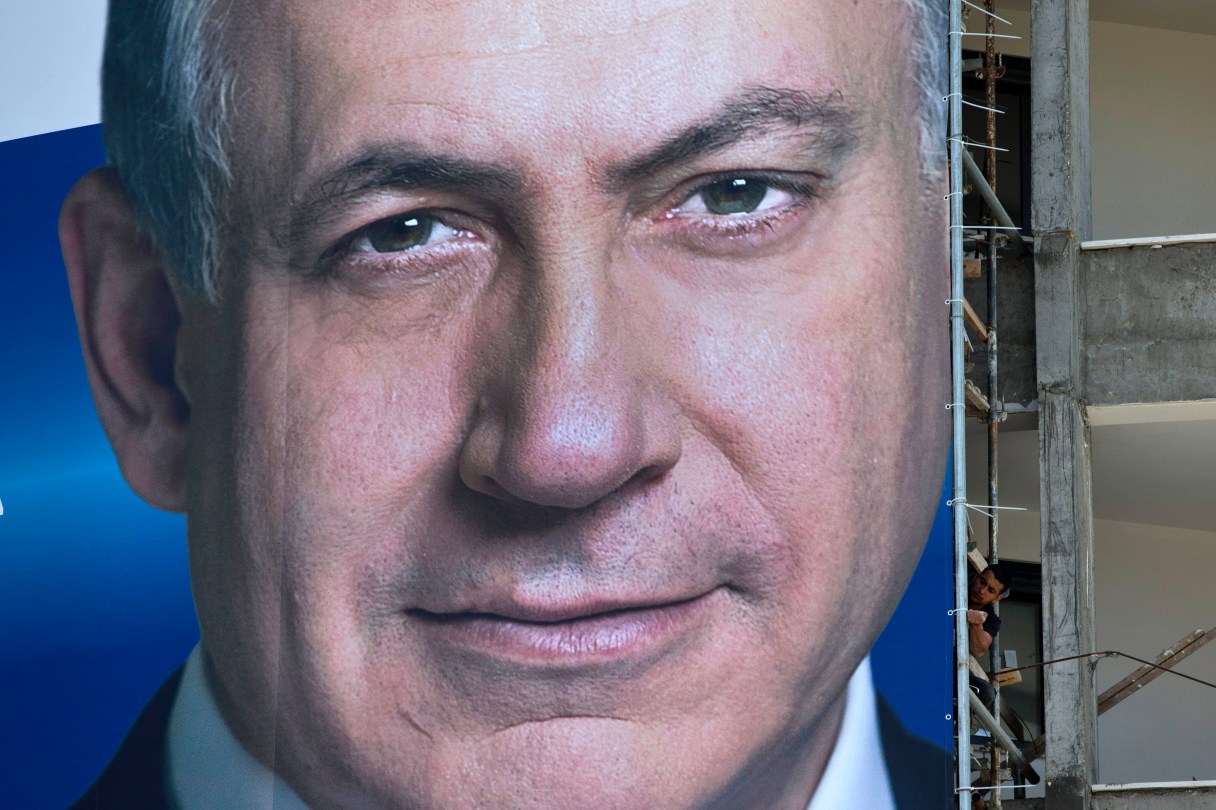
File - In this Sunday, March 8, 2015 file photo, a worker hangs an election campaign billboard of Benjamin Netanyahu, Likud party leader and Israel's Prime Minister. Polls show that Prime Minister Netanyahu's nationalist Likud Party is running slightly behind the Isaac Herzog’s Labor Party, rebranded the Zionist Union in a bid for nationalist votes. (AP Photo/Ariel Schalit, File)
File - In this Sunday, March 8, 2015 file photo, a worker hangs an election campaign billboard of Benjamin Netanyahu, Likud party leader and Israel's Prime Minister. Polls show that Prime Minister Netanyahu's nationalist Likud Party is running slightly behind the Isaac Herzog’s Labor Party, rebranded the Zionist Union in a bid for nationalist votes. (AP Photo/Ariel Schalit, File) File - In this Sunday, March 8, 2015 file photo, a worker hangs an election campaign billboard of Benjamin Netanyahu, Likud party leader and Israel's Prime Minister. Polls show that Prime Minister Netanyahu's nationalist Likud Party is running slightly behind the Isaac Herzog’s Labor Party, rebranded the Zionist Union in a bid for nationalist votes. (AP Photo/Ariel Schalit, File)

JERUSALEM (AP) – Deeply divided and foul of mood, Israelis are headed toward what seems like a referendum on their long-serving, silver-tongued prime minister, the hard-line Benjamin Netanyahu.

But with so many of them having despaired of peace talks with the Palestinians, the focus is mostly on Netanyahu’s personality, his expense scandals and the soaring cost of living.

And as no candidate is likely to win big in the wild jumble of Israel’s political landscape, the outcome of the March 17 election could well be a joint government between Netanyahu and his moderate challenger Isaac Herzog. It’s an irony, because the animosities are overwhelming.

Much has changed in the world since Netanyahu first became prime minister in 1996, but Israel remains stuck with the question of what to do with the highly strategic, biblically resonant, Palestinian-populated lands it captured almost a half-century ago.

Israelis know it is their existential issue, but it seems almost too complex for a democracy. After decades of failed peace talks under every sort of government, the whole festering thing has become such a vexation that politicians seem to fear it, and voters look away.