
Wednesday, November 11, 2026Nov 11

Secrecy preserved in police chokehold death probe

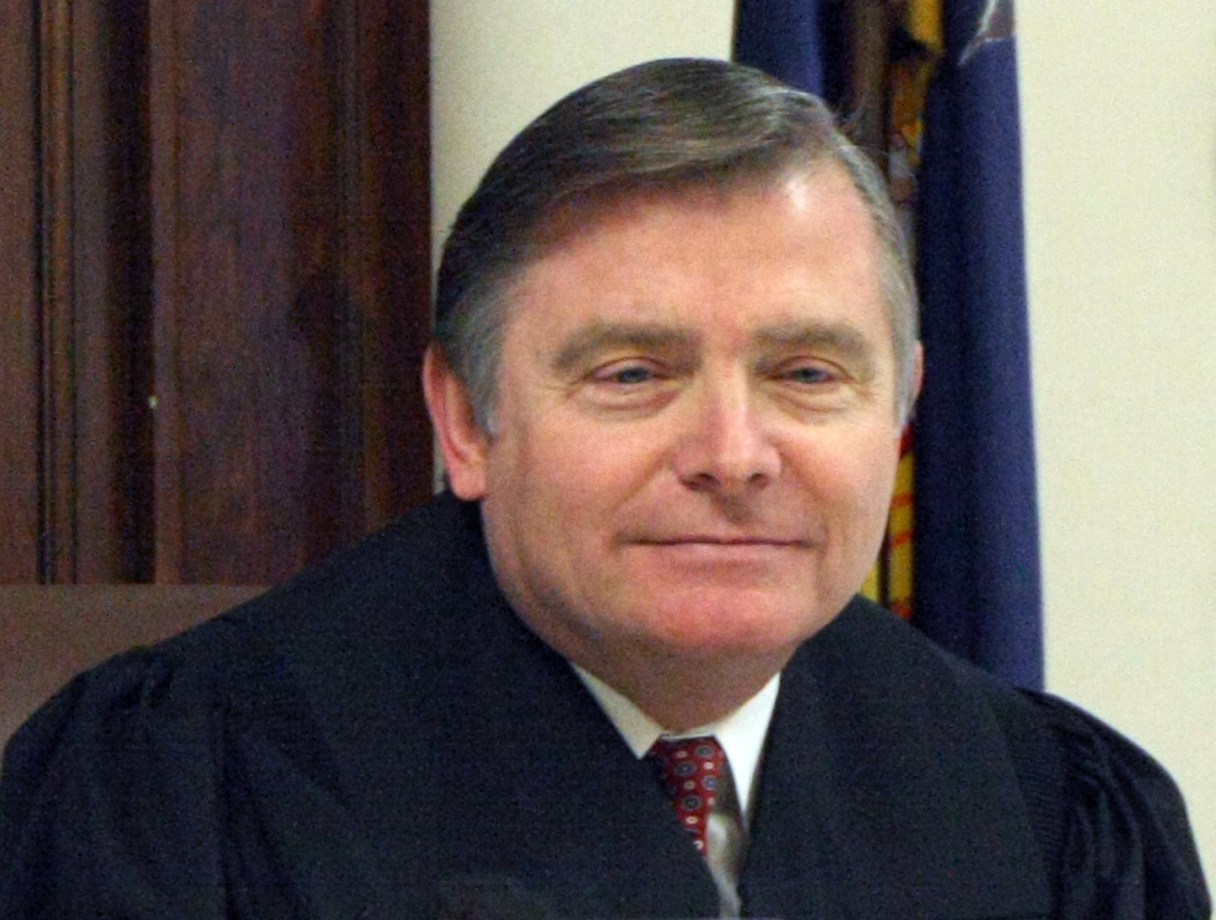
FILE - In this Thursday, Feb.  5, 2015, file photo, state Supreme Court Judge William Garnett prepares to hear arguments regarding the release of the Eric Garner grand jury records, in the Staten Island borough of New York. Garnett has refused to release secret testimony heard by a grand jury that declined to indict a police officer in the chokehold death of Garner, saying the parties who brought the suit didn't make a good enough argument for releasing the minutes. (AP Photo/The Advance, Jan Somma-Hammel, Pool, File)
FILE - In this Thursday, Feb. 5, 2015, file photo, state Supreme Court Judge William Garnett prepares to hear arguments regarding the release of the Eric Garner grand jury records, in the Staten Island borough of New York. Garnett has refused to release secret testimony heard by a grand jury that declined to indict a police officer in the chokehold death of Garner, saying the parties who brought the suit didn't make a good enough argument for releasing the minutes. (AP Photo/The Advance, Jan Somma-Hammel, Pool, File) FILE - In this Thursday, Feb. 5, 2015, file photo, state Supreme Court Judge William Garnett prepares to hear arguments regarding the release of the Eric Garner grand jury records, in the Staten Island borough of New York. Garnett has refused to release secret testimony heard by a grand jury that declined to indict a police officer in the chokehold death of Garner, saying the parties who brought the suit didn't make a good enough argument for releasing the minutes. (AP Photo/The Advance, Jan Somma-Hammel, Pool, File)

NEW YORK (AP) – A push for answers on how a New York City police officer avoided criminal charges in the videotaped chokehold death of Eric Garner has run aground after failing to clear the strict legal bar protecting grand jury secrecy.

State Supreme Court Justice William Garnett ruled on Thursday that the grand jury record would remain under seal, rejecting arguments by the New York Civil Liberties Union and others that the public had a right to know why jurors refused to indict the officer in spite of the video. He wrote that the law required the plaintiffs to establish a “compelling and particularized need” to release the grand jury minutes.

The Staten Island judge’s ruling cited a handful of rare instances where New York courts authorized disclosure, but only to specific parties for specific reasons – not out of the public interest.

For example, a 2012 appeals court ruling authorized release of bank records from a grand jury proceeding to someone seeking a civil judgment against the United Arab Emirates. Another ruling in 1978 turned over witness statements to state police for disciplinary proceedings. A 2001 decision even gave the son of a defendant in a decades-old murder case access to grand jury minutes to use for a movie script.

At a hearing in February, Garnett had asked over and over how the Garner grand jury minutes would be used.