




For most of its 40-odd-year existence, the home video-game market has been built on a fairly clear-cut, traditional economic model: Once a player buys a game, it’s theirs in its entirety to enjoy as they see fit.
In recent years, however, a competing model has started to gain sway, particularly for mobile games. Under the so-called “free-to-play” model, players don’t have to shell out anything to access a game’s content.
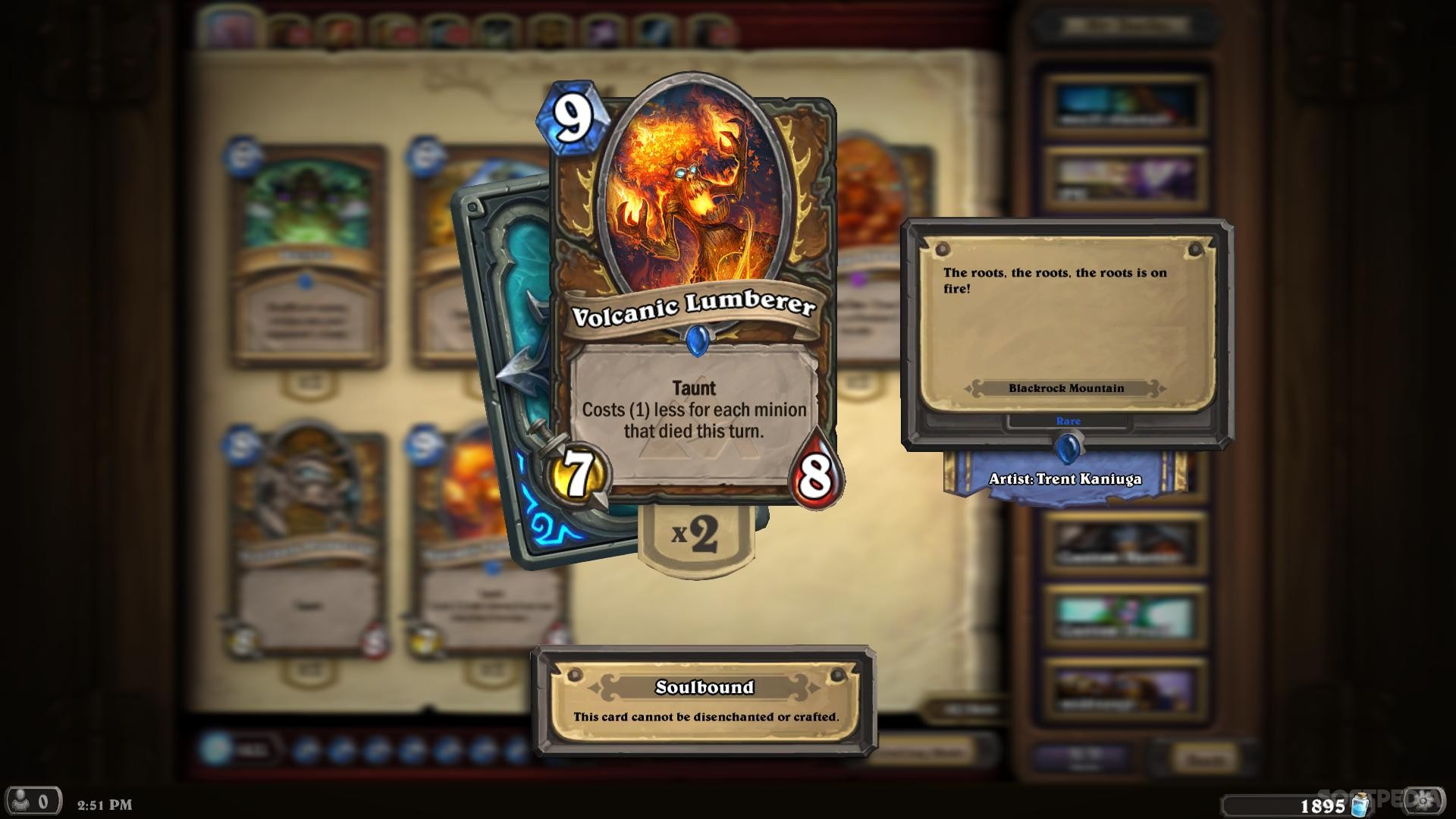
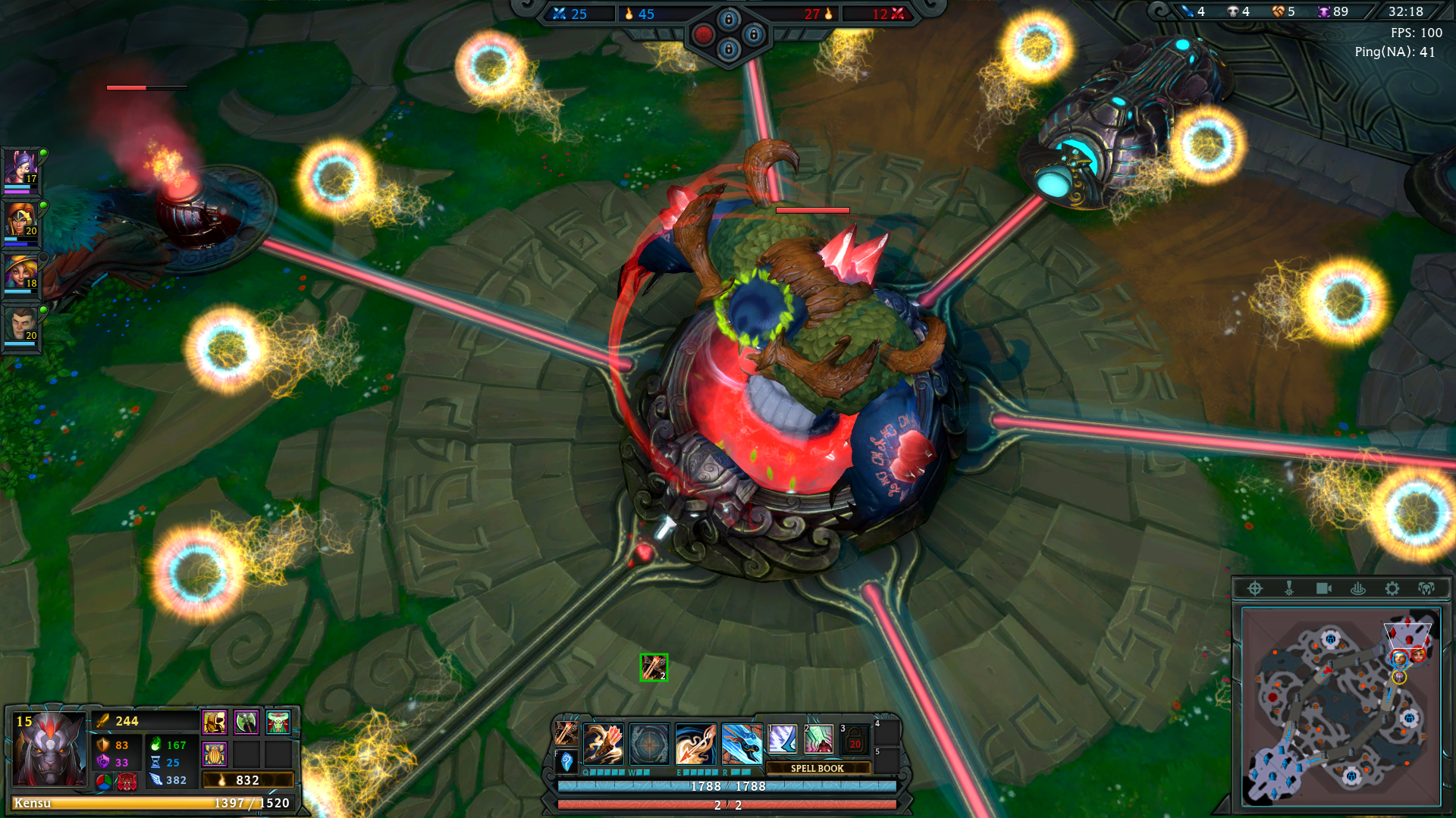
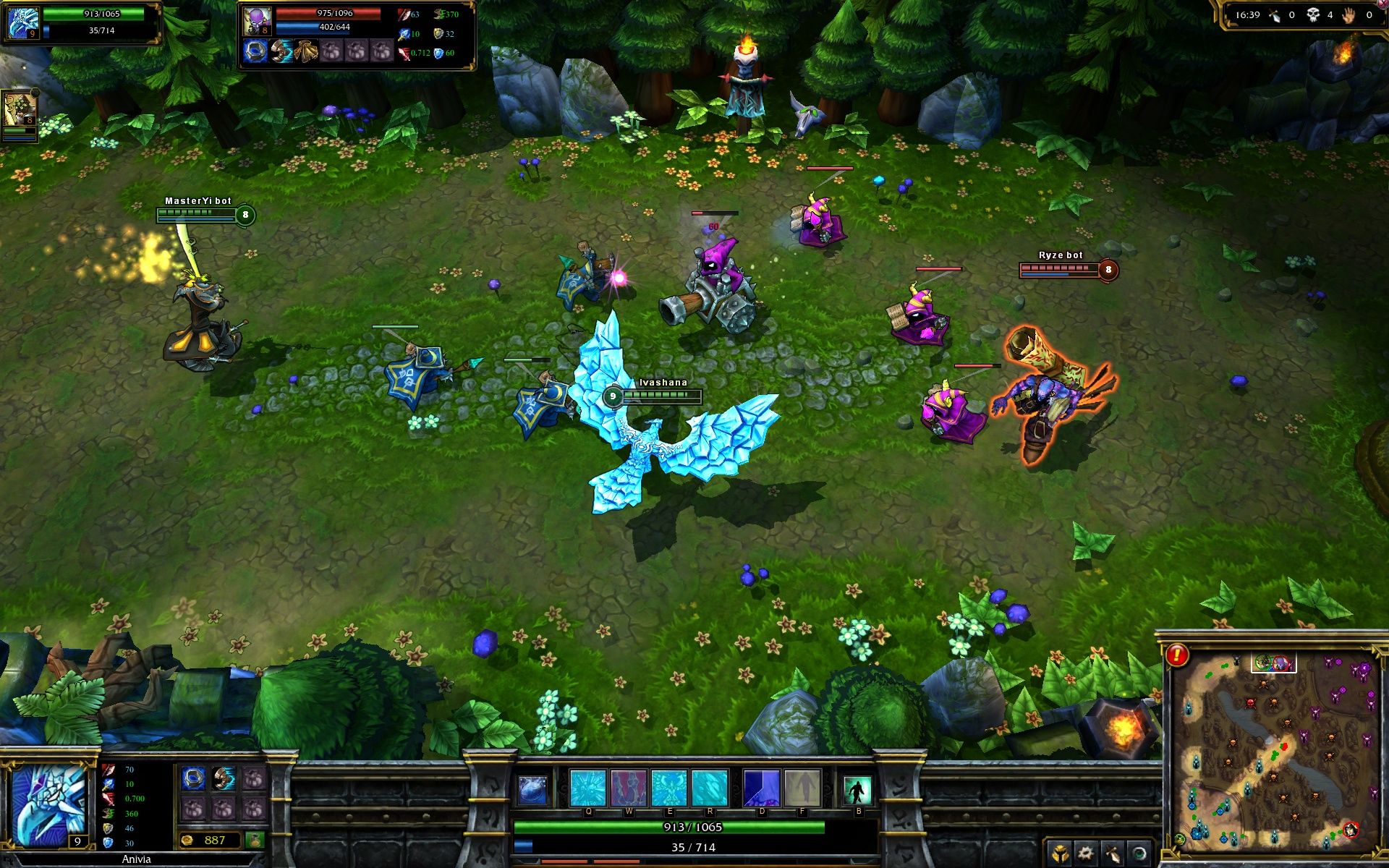
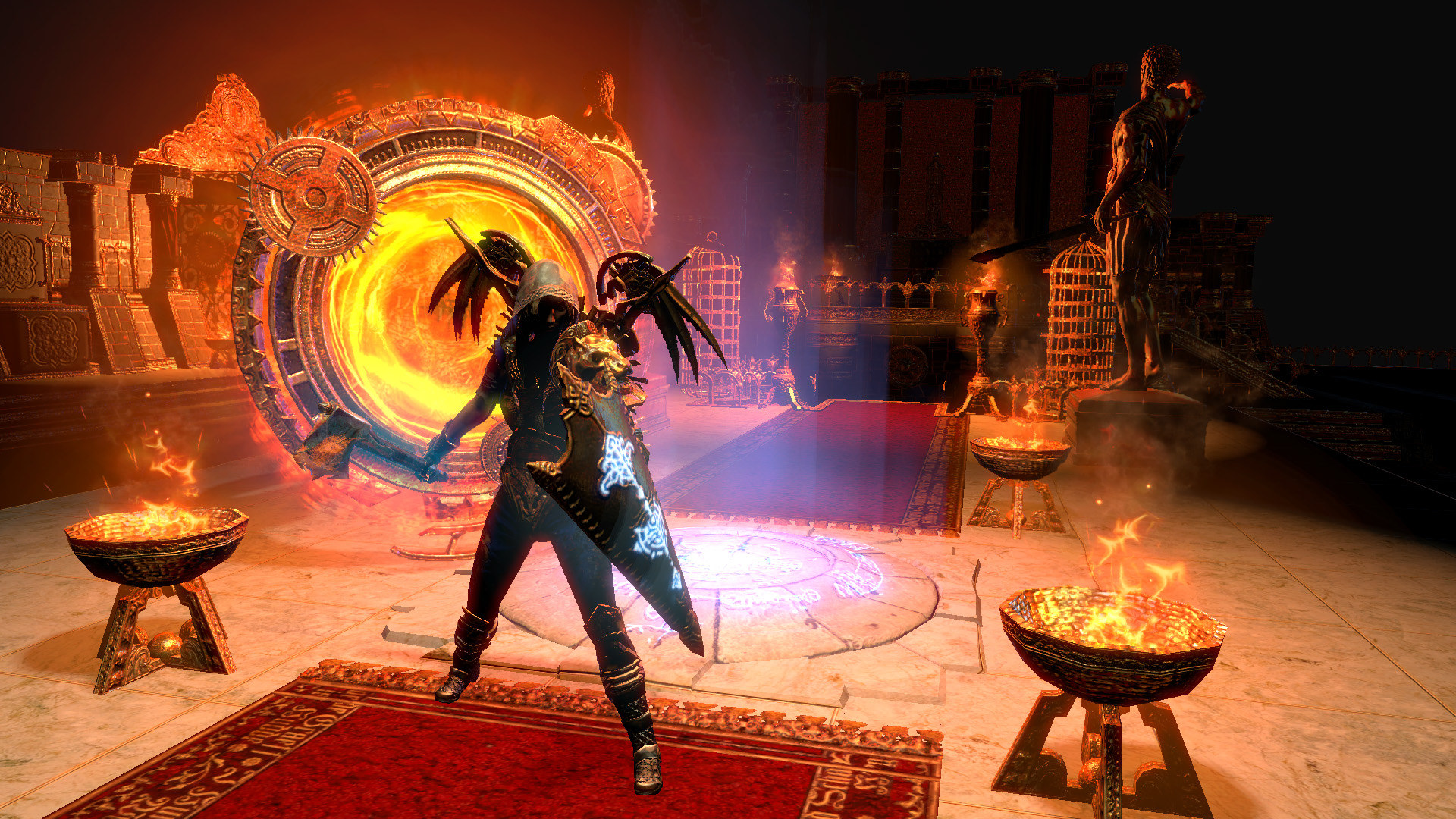
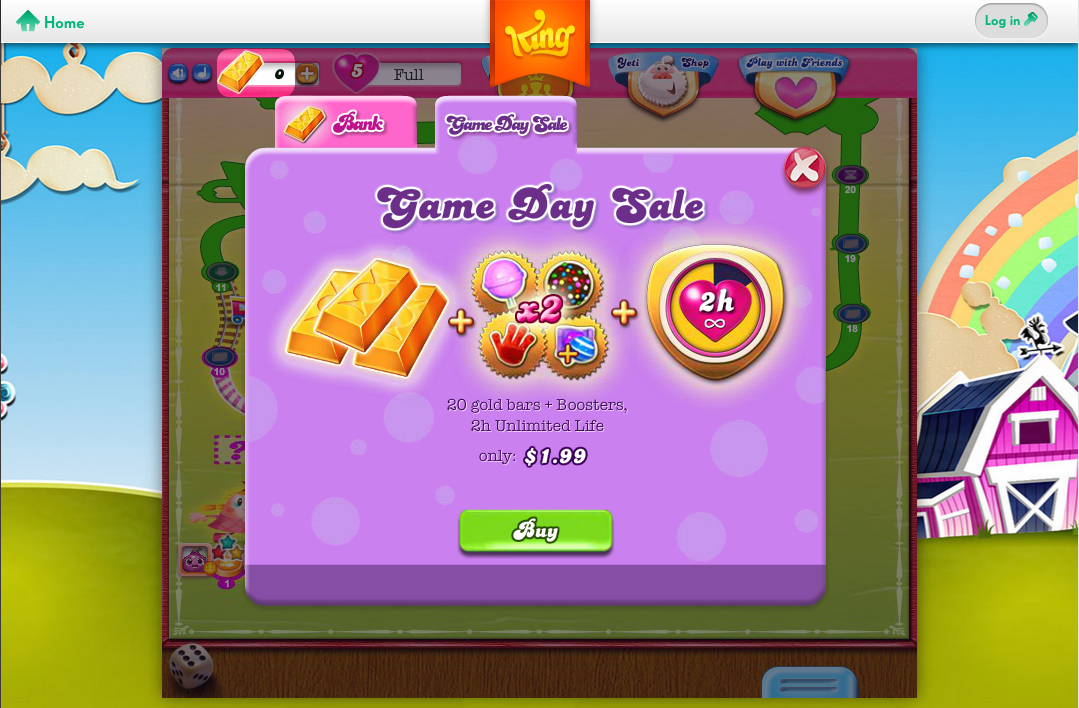
Instead of an upfront cost, these titles generate revenue through advertisements and micro-transactions – in-game purchases that can speed up the game’s progress, provide extra lives, offer chances to access high-level items or unlock nonessential content such as new costumes. Some titles favor a hybridized approach to free-to-play known as “freemium,” in which players can experience the game for free up to a prescribed point, after which they must pay or become a subscriber to continue.
Despite the low buy-in for free-to-play’s micro-transactions, the lack of cost to start playing has contributed to the growth of enormous player bases. Even a small percentage of players participating in the games’ economy has led to tremendous profits for games such as “Candy Crush Saga,” a puzzle title by developer King that earned $1.3 billion in 2014 through in-app purchases, according to an earnings analysis by U.K. newspaper The Guardian.
Since last December, Chattanoogan Patrick Hickey, 25, has been obsessively building up his community and training an army in “Clash of Clans,” a free-to-play strategy game for mobile devices and tablets. He says he’s not averse to paying for games but, in the past, he’s been burned all too often by buying titles that failed to deliver.