
BALTIMORE (AP) – Now confirmed as the permanent police commissioner for Baltimore, Kevin Davis is tasked with ushering a city still reeling from protests, rioting and a record-breaking spike in violence through one of the most high-profile criminal cases in the city’s history.
Monday marked the six-month anniversary of Freddie Gray’s death, and the day the City Council confirmed Davis as the city’s permanent police commissioner at an evening meeting. The position comes with a five-year contract and a $200,000 annual salary. It also comes with a host of troubles.
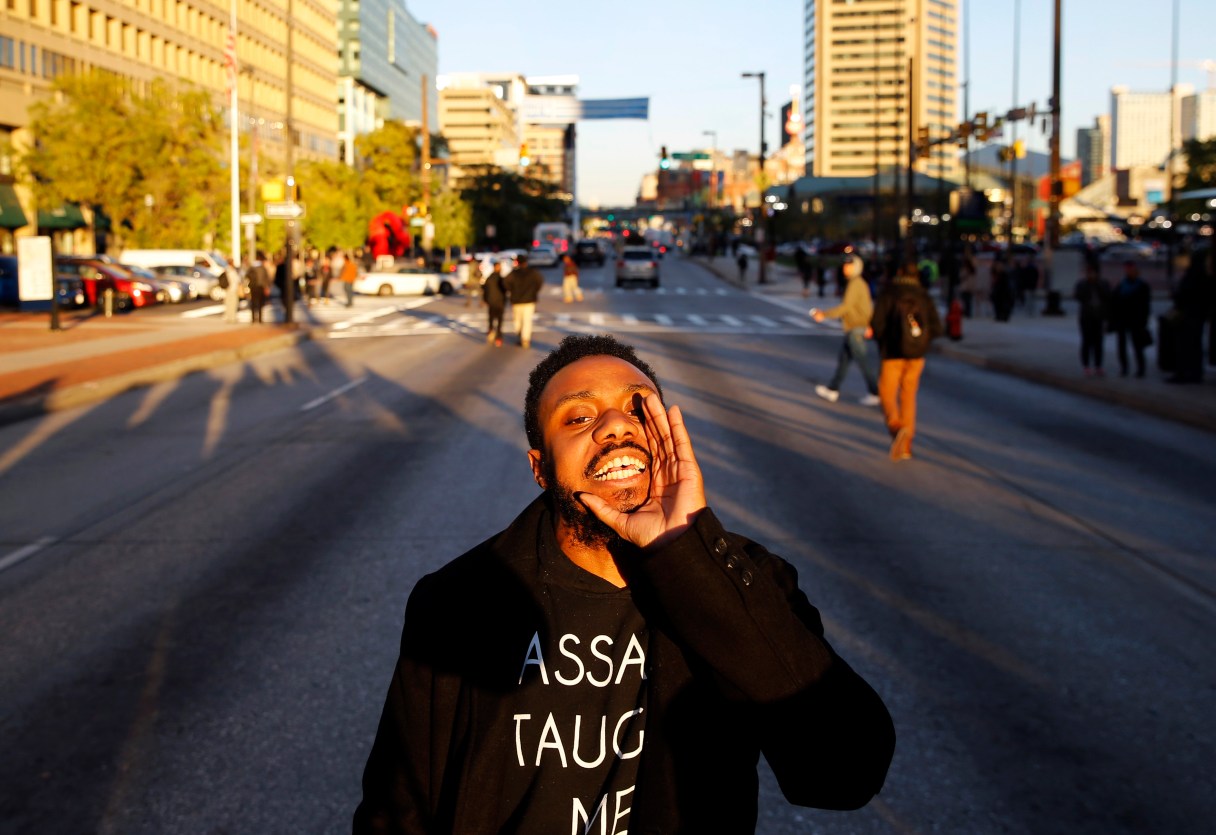
Trials are slated to begin in November for six officers charged in the death of Freddie Gray, a 25-year-old black man who died a week after suffering a spinal injury in the back of a police van. Gray’s death prompted near-daily and largely peaceful protests that drew thousands. But on the day of Gray’s funeral, looters set trash cans on fire and smashed the windows of businesses, causing millions of dollars in damage and shaking the city’s political and social foundation.
There was a ripple effect: It brought into focus systemic problems such as segregation, neglect and economic disparity that have plagued the city for generations, and forced elected officials to acknowledge the shortcomings of local government.
The council vote came five days after a committee voted in favor of hiring Davis. But just moments after that vote, a group of more than 30 demonstrators, including teenage activists, refused to move from the chamber’s balcony. They demanded meetings with Davis and Mayor Stephanie Rawlings-Blake on their goals, including the adoption of a written agreement for how police treat protesters and the firing of the housing commissioner, whose agency was recently sued over allegations that maintenance workers were sexually abusing women in public housing complexes. After eight hours, 16 people were arrested, including three younger than 18. There were no injuries, and protests that followed the arrests were peaceful.