
Tuesday, November 10, 2026Nov 10

Obstacle to moving Rio Olympic venues? 1,400 silent athletes

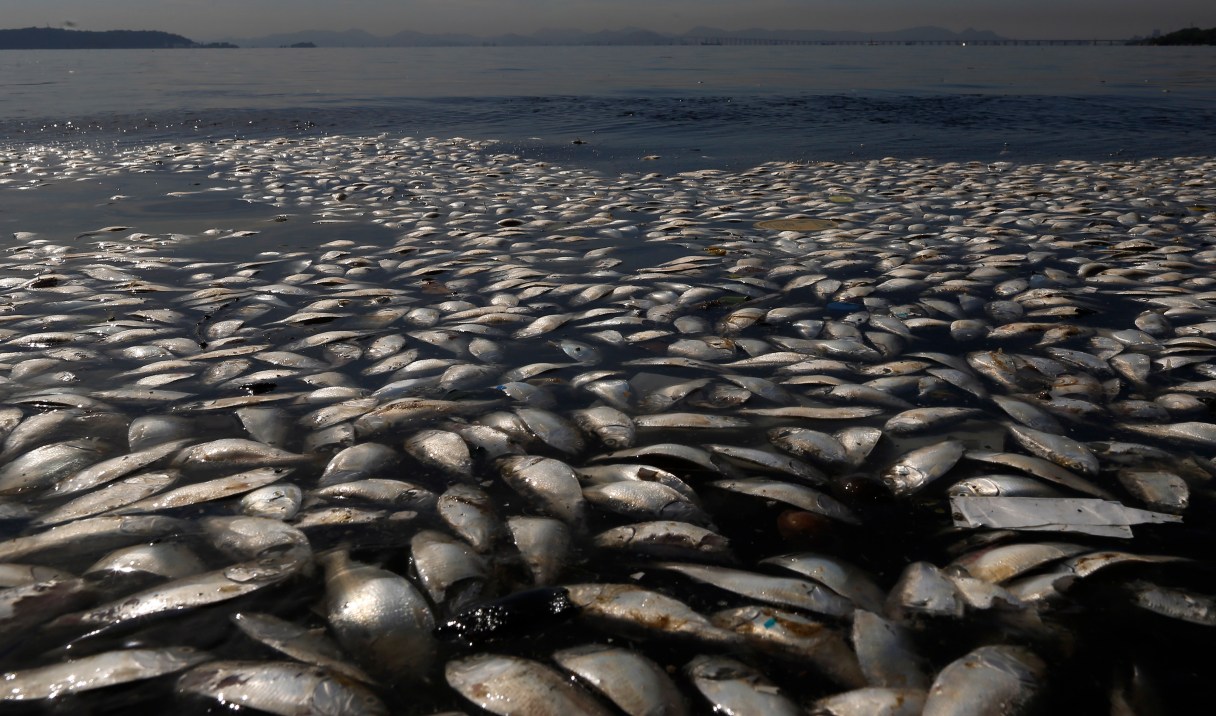
FILE - In this Feb. 25, 2015 file photo, dead fish and trash float in the polluted Guanabara Bay in Rio de Janeiro, Brazil. Olympic organizers have agreed to test for viruses in Rio’s sewage-filled waters. But even if they find high virus counts, organizers say they have no plans to move venues. (AP Photo/Leo Correa, File)
FILE - In this Feb. 25, 2015 file photo, dead fish and trash float in the polluted Guanabara Bay in Rio de Janeiro, Brazil. Olympic organizers have agreed to test for viruses in Rio’s sewage-filled waters. But even if they find high virus counts, organizers say they have no plans to move venues. (AP Photo/Leo Correa, File) FILE - In this Feb. 25, 2015 file photo, dead fish and trash float in the polluted Guanabara Bay in Rio de Janeiro, Brazil. Olympic organizers have agreed to test for viruses in Rio’s sewage-filled waters. But even if they find high virus counts, organizers say they have no plans to move venues. (AP Photo/Leo Correa, File)

RIO DE JANEIRO (AP) – Olympic organizers have agreed to test for viruses in Rio’s sewage-filled waters.

But even if they find high virus counts, organizers say they have no plans to move venues.

Why isn’t there more pressure to move? Olympic athletes have little clout, some sports don’t have alternate venues, and sport federations have deep financial ties to the International Olympic Committee.

Carlos Nuzman, head of the Rio organizing committee, promised Tuesday to introduce viral testing, saying the most important thing was “the health of athletes.”

Most athletes, however, have remained quiet, even after The Associated Press released a five-month independent study showing high levels of viruses at Olympic venues for sailing, rowing, canoeing, triathlon and open-water swimming. About 1,400 athletes will compete in the hazardous waters.