
Wednesday, November 11, 2026Nov 11

New federal requirements on cellphone surveillance

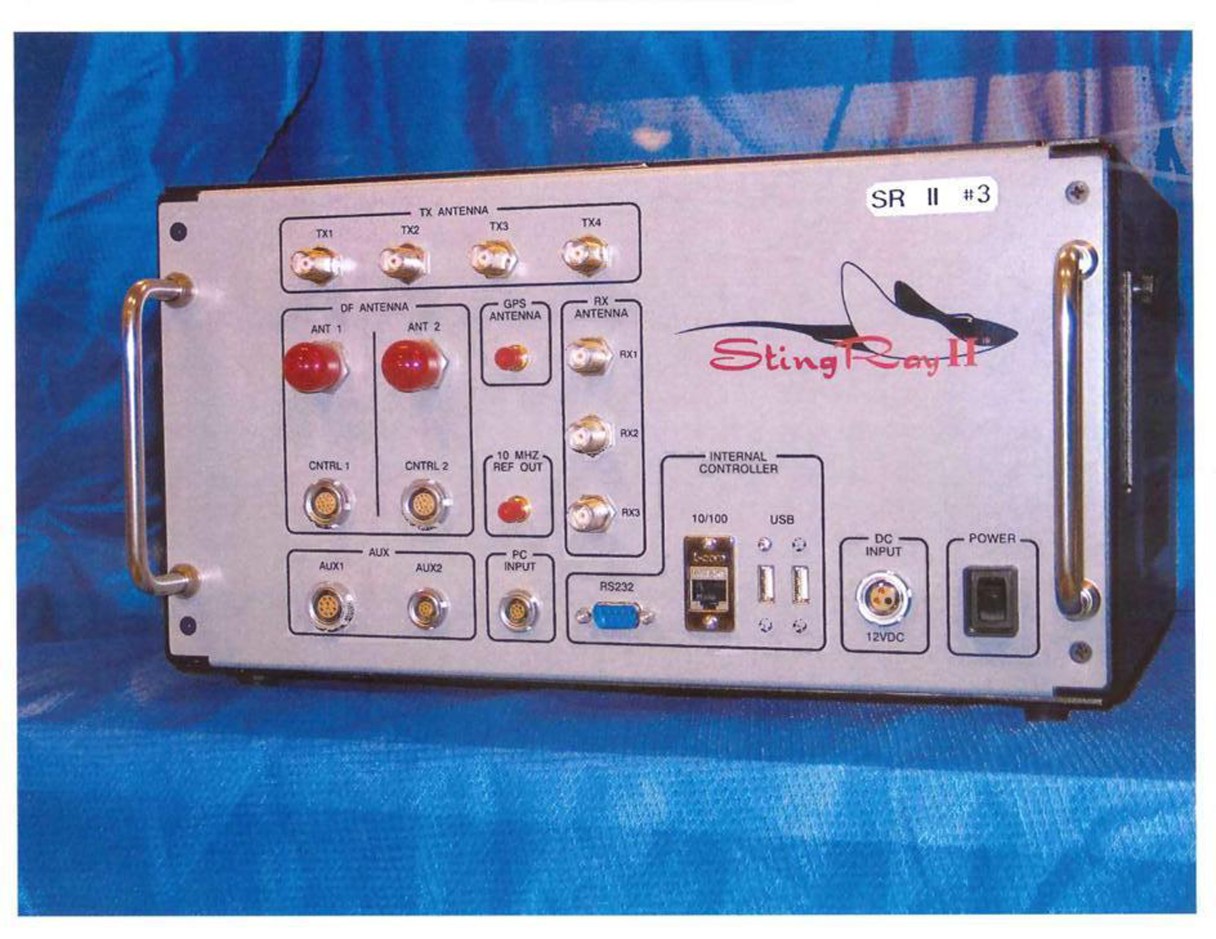
This undated handout photo provided by the U.S. Patent and Trademark Office shows the StingRay II, manufactured by Harris Corporation, of Melbourne, Fla., a cellular site simulator used for surveillance purposes. Federal law enforcement officials will be routinely required to get a search warrant before using secretive and intrusive cellphone-tracking technology under a new Justice Department policy announced Sept. 3, 2015. The seven-page policy, the first of its kind, is designed to create a uniform legal standard for federal law enforcement agencies using equipment known as cell-site simulators. (AP Photo/U.S. Patent and Trademark Office)
This undated handout photo provided by the U.S. Patent and Trademark Office shows the StingRay II, manufactured by Harris Corporation, of Melbourne, Fla., a cellular site simulator used for surveillance purposes. Federal law enforcement officials will be routinely required to get a search warrant before using secretive and intrusive cellphone-tracking technology under a new Justice Department policy announced Sept. 3, 2015. The seven-page policy, the first of its kind, is designed to create a uniform legal standard for federal law enforcement agencies using equipment known as cell-site simulators. (AP Photo/U.S. Patent and Trademark Office) This undated handout photo provided by the U.S. Patent and Trademark Office shows the StingRay II, manufactured by Harris Corporation, of Melbourne, Fla., a cellular site simulator used for surveillance purposes. Federal law enforcement officials will be routinely required to get a search warrant before using secretive and intrusive cellphone-tracking technology under a new Justice Department policy announced Sept. 3, 2015. The seven-page policy, the first of its kind, is designed to create a uniform legal standard for federal law enforcement agencies using equipment known as cell-site simulators. (AP Photo/U.S. Patent and Trademark Office)

WASHINGTON (AP) – Federal law enforcement officials will be routinely required to get a search warrant before using secretive and intrusive cellphone-tracking technology under a new Justice Department policy announced Thursday.

The policy represents the first effort to create a uniform legal standard for federal authorities using equipment known as cell-site simulators, which tracks cellphones used by suspects.

It comes amid concerns from privacy groups and lawmakers that the technology, which is now widely used by local police departments, is infringing on privacy rights and is being used without proper accountability.

“The policy is really designed to address our practices, and to really try to promote transparency and consistency and accountability – all while being mindful of the public’s privacy interest,” Deputy Attorney General Sally Yates told reporters in announcing the policy change.

The policy applies only to federal agencies within the Justice Department and not, as some privacy advocates had hoped, to state and local law enforcement whose use of the equipment has stirred particular concern and scrutiny from local judges.