
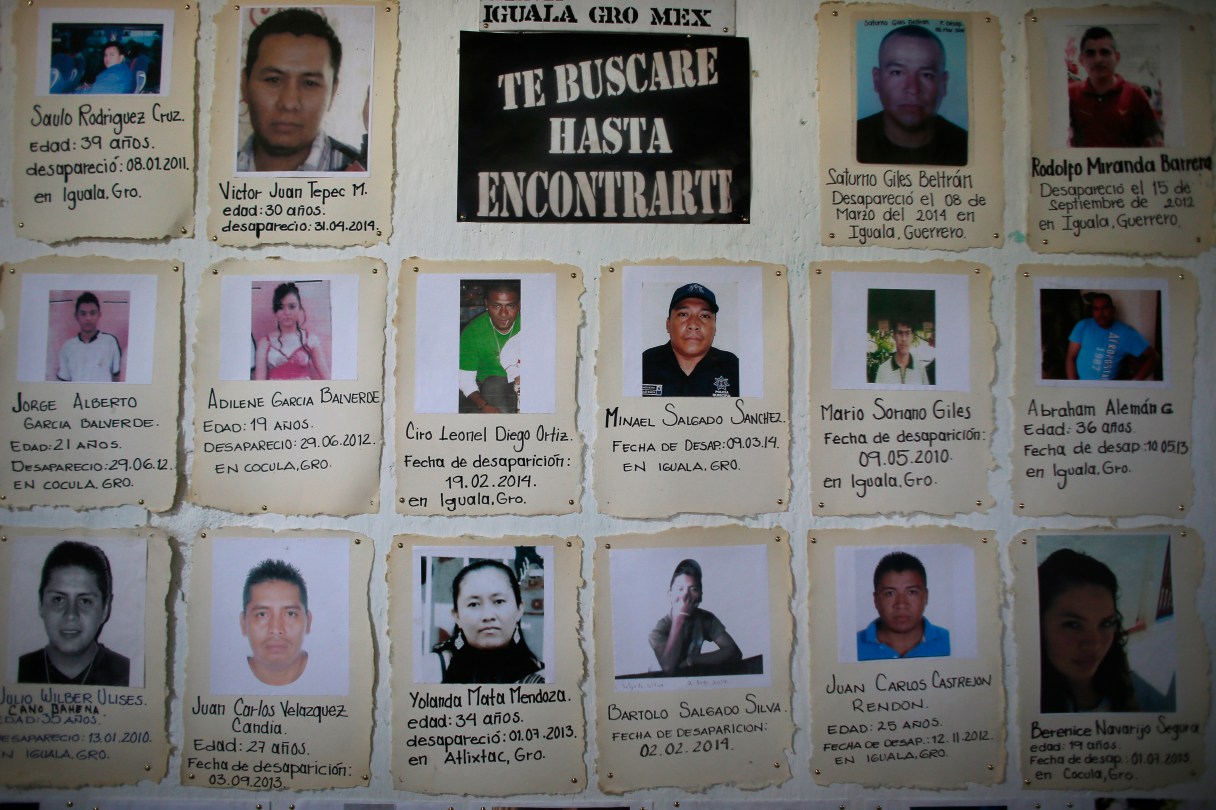
COCULA, Mexico (AP) – On the morning of her high school graduation, Berenice Navarijo Segura was delayed for a hair and makeup appointment by an explosion of gunfire in the center of town. Her mother was up before dawn preparing stewed goat and beans for the celebration, and didn’t want her to risk going out. Her sister, who had made enough salsa for 60 guests, tried to hold back the spirited 19-year-old with questions: “Do you have your wallet? What about your phone?”
But there was a reason the family called Berenice “Princess.” She’d already paid the salon and was determined to look her best for the big day. Accustomed to dodging gun battles in a region overrun by drug cartels, she waited for only 20 minutes after the shooting subsided before rushing out the door with a promise to be quick.
She hopped onto the back of her boyfriend’s motorcycle and vanished into the ranks of Mexico’s missing.
Sixteen other people, including Berenice’s boyfriend, disappeared from Cocula on that day, July 1, 2013 – more than a year before 43 students from a teachers college were detained by police in nearby Iguala and never seen again. For all those months, most of the Cocula families kept quiet, hoping their silence might bring children and spouses home alive, fearing that a complaint might condemn them to death.
“What if I report it and my daughter is nearby and they know I reported it, they hurt her or something?” reasoned Berenice’s mother, Rosa Segura Giral.