
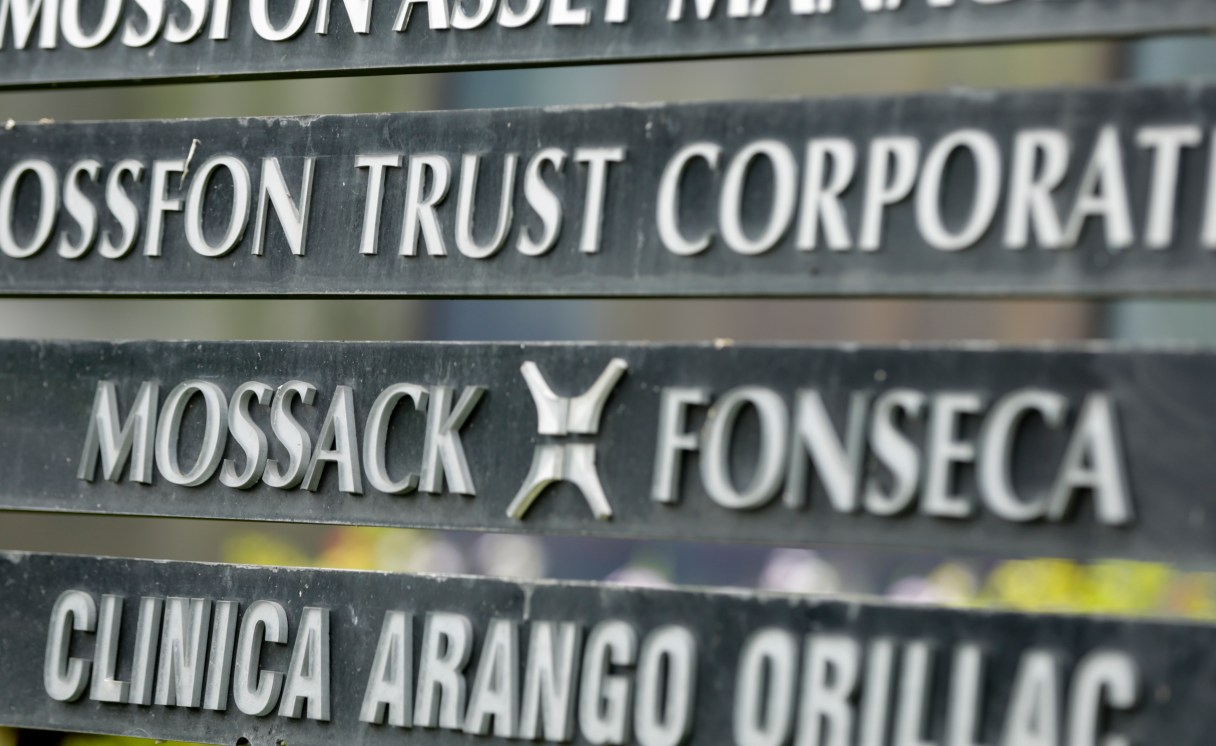
PANAMA CITY (AP) – Panamanians have long shrugged off their country’s checkered reputation as a financial haven for drug lords, tax dodgers and corrupt oligarchs. If they’re crooks, they’ve learned from the world’s wealthy nations, they like to joke.
That same defensiveness has re-emerged amid the fallout from the leak of 11.5 million confidential documents from the Panama-based law firm Mossack Fonseca revealing details of how some of the globe’s richest people funnel their assets into secretive shell companies set up here and in other lightly regulated jurisdictions.
Ramon Fonseca, a co-founder of the firm, said Monday that his country’s success in establishing itself as an offshore banking giant has bred jealousy from first-world rivals at a time of increasing competition and scrutiny of the industry in the aftermath of the global financial crisis.
“It’s very unfair what’s happening because there’s not a level playing field,” Fonseca told The Associated Press in an interview. “Without a doubt if this happened to a company in Delaware nothing would happen, but because it’s Panama it’s the front page of the world’s newspapers.”
Panama cemented its status as a money laundering center in the 1980s, when dictator Gen. Manuel Noriega rolled out the red carpet to Colombian drug cartels. It has remained a magnet for illicit money, as well as for legitimate funds, because its dollarized economy sits at the crossroad of the Americas. Breakneck economic growth averaging 8.5 percent a year for a decade has been fed by the flood of cash, transforming the capital’s skyline into Latin America’s Dubai.