
Thursday, November 12, 2026Nov 12

German court rules Gurlitt’s art collection can go to Bern

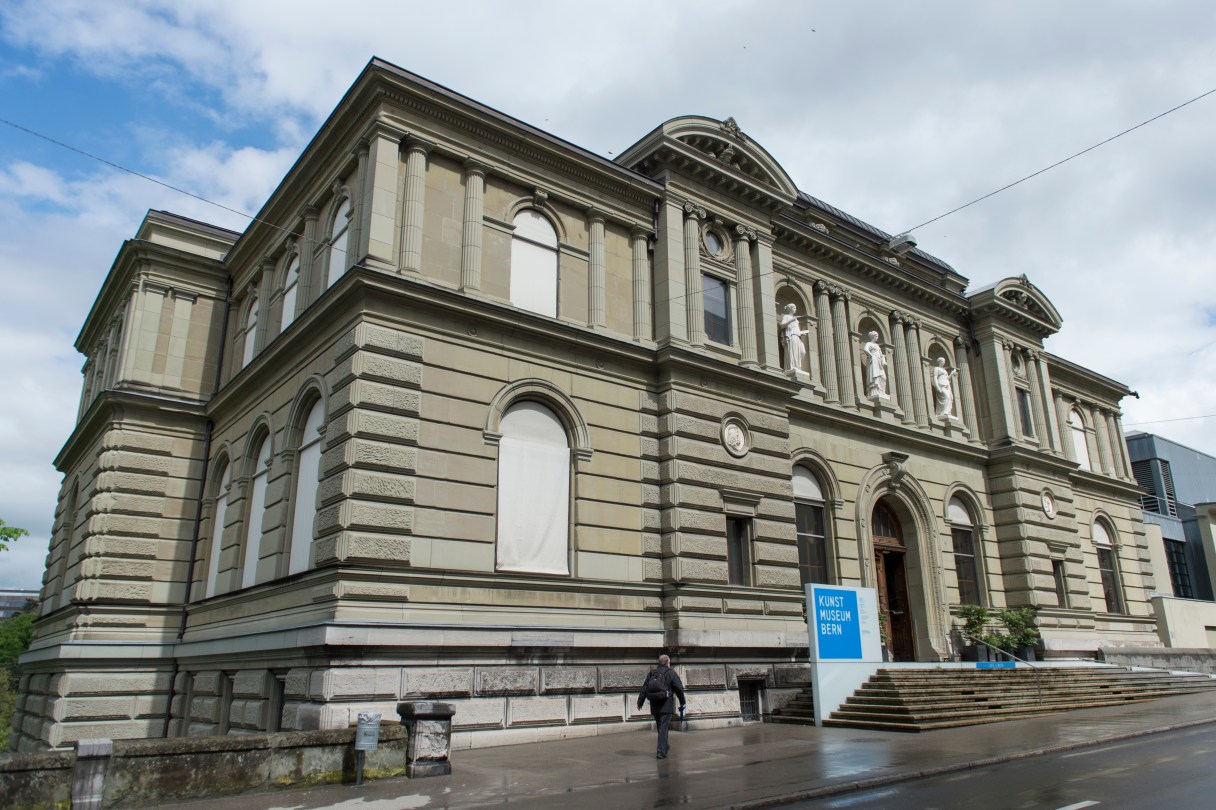
FILE- This May 7, 2014 file picture shows an exterior view of the Kunstmuseum in Bern. The Munich state court said Thursday, Dec. 15, 2016 that Cornelius Gurlitt's will is valid, rejecting a case brought by his cousin Uta Werner who claimed the 81-year-old wasn't mentally fit when he wrote it. The vast trove of art which the German collector kept hidden from the world for decades can go to the Swiss museum. (AP Photo/Keystone, Gian Ehrenzeller, File)
FILE- This May 7, 2014 file picture shows an exterior view of the Kunstmuseum in Bern. The Munich state court said Thursday, Dec. 15, 2016 that Cornelius Gurlitt's will is valid, rejecting a case brought by his cousin Uta Werner who claimed the 81-year-old wasn't mentally fit when he wrote it. The vast trove of art which the German collector kept hidden from the world for decades can go to the Swiss museum. (AP Photo/Keystone, Gian Ehrenzeller, File) FILE- This May 7, 2014 file picture shows an exterior view of the Kunstmuseum in Bern. The Munich state court said Thursday, Dec. 15, 2016 that Cornelius Gurlitt's will is valid, rejecting a case brought by his cousin Uta Werner who claimed the 81-year-old wasn't mentally fit when he wrote it. The vast trove of art which the German collector kept hidden from the world for decades can go to the Swiss museum. (AP Photo/Keystone, Gian Ehrenzeller, File)

BERLIN (AP) – A German court ruled Thursday that a priceless trove of art kept hidden from the world for decades by reclusive German collector Cornelius Gurlitt can go to a Swiss museum, as requested in his will.

The Munich state court rejected a case brought by his cousin, Uta Werner, who claimed the 81-year-old wasn’t mentally fit when he wrote his will shortly before his death in May 2014.

The decision was welcomed “with a sigh of relief” by the Kunstmuseum Bern, which pledged to press ahead with planned exhibitions of the works and research into their origins. Some of the art was taken away from Jewish owners by the Nazis in the 1930s and ’40s.

Gurlitt died just months after German authorities announced they had seized almost 1,300 artworks at his Munich apartment and another 200 at a home in Salzburg, Austria.

Werner, his cousin, contested the will, claiming that Gurlitt was delusional and had named the Swiss museum as his only heir because he wanted to protect the art from Nazis – even 70 years after the end of World War II.