
Thursday, October 29, 2026Oct 29

This story is free to read.

China’s top securities regulator steps down

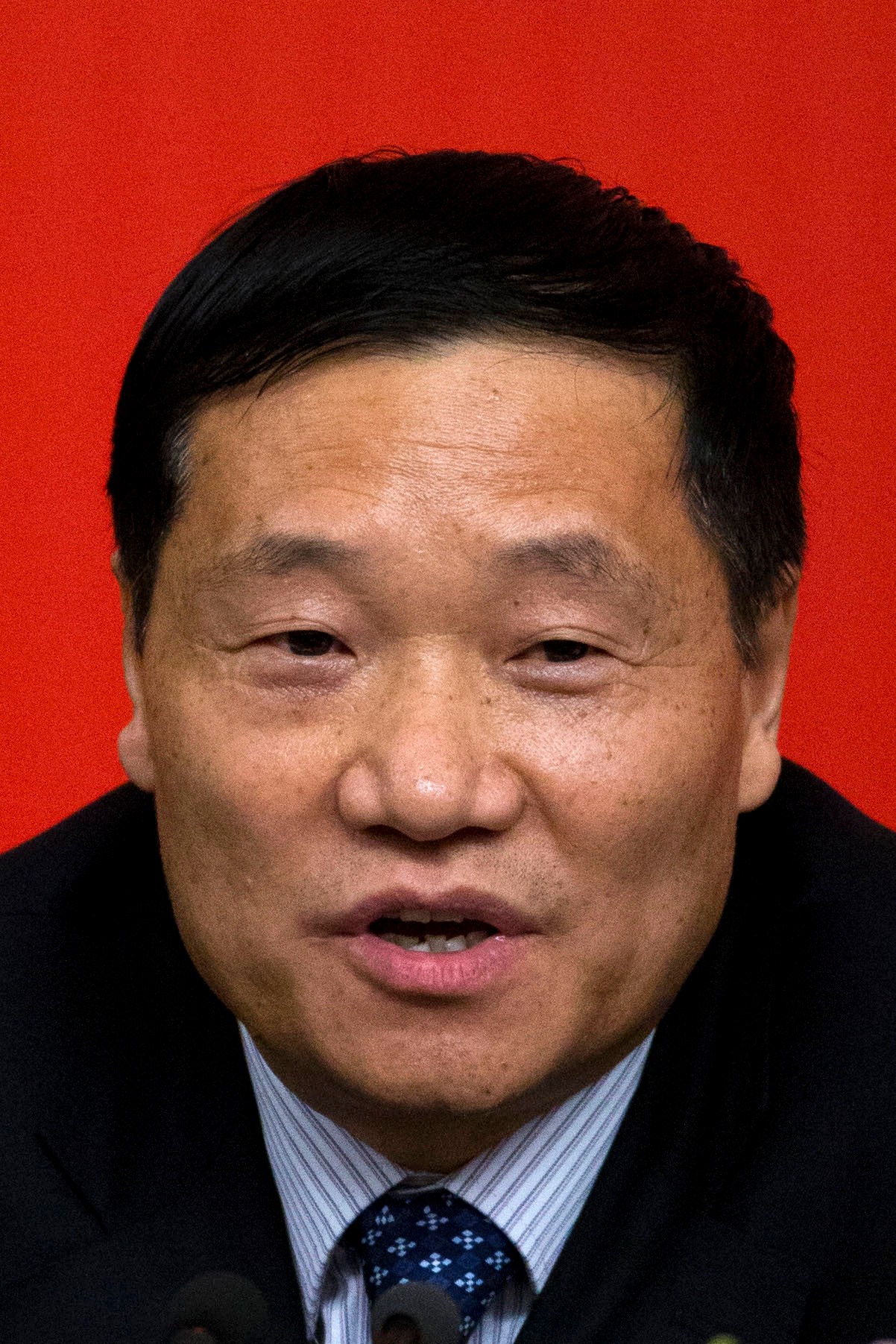
FILE - In this file photo taken Sunday, Nov. 11, 2012,  Xiao Gang, then chairman and Communist Party chief of Bank of China, speaks during a press conference at the media center of the 18th Communist Party Congress in Beijing, China. Xiao who was appointed China's top securities regulator in March 2013 will step down following months of turmoil in the Chinese stock markets, the state-run news agency said Saturday, Feb 20, 2016.( AP Photo/Alexander F. Yuan, File)
FILE - In this file photo taken Sunday, Nov. 11, 2012, Xiao Gang, then chairman and Communist Party chief of Bank of China, speaks during a press conference at the media center of the 18th Communist Party Congress in Beijing, China. Xiao who was appointed China's top securities regulator in March 2013 will step down following months of turmoil in the Chinese stock markets, the state-run news agency said Saturday, Feb 20, 2016.( AP Photo/Alexander F. Yuan, File) FILE - In this file photo taken Sunday, Nov. 11, 2012, Xiao Gang, then chairman and Communist Party chief of Bank of China, speaks during a press conference at the media center of the 18th Communist Party Congress in Beijing, China. Xiao who was appointed China's top securities regulator in March 2013 will step down following months of turmoil in the Chinese stock markets, the state-run news agency said Saturday, Feb 20, 2016.( AP Photo/Alexander F. Yuan, File)

BEIJING (AP) – China’s top securities regulator Xiao Gang will step down following months of turmoil in Chinese stock markets that battered faith in Beijing’s economic management.

The departure of Xiao, a legal expert with decades of experience in the finance industry, may help assuage public anger at the dramatic boom and bust, but doesn’t address the market’s underlying problems.

The official Xinhua News Agency reported Saturday that Xiao would be replaced by Liu Shiyu, chairman of the Agriculture Bank of China and a former deputy governor of China’s central bank. Xiao was appointed in March 2013.

Fueled by cheer-leading in the state press after officials said Chinese stocks should rise, the Shanghai and Shenzhen markets vaulted from late 2014, reaching a peak in June last year, then crumbled in several waves of panic selling that sent shockwaves around the world.

Officials prolonged the turmoil with draconian measures such as banning major shareholders in publicly-traded companies from selling any shares and ordering state funds to buy. The bust hurt millions of neophyte Chinese investors who piled into the market when it was near its peak.