
Saturday, November 14, 2026Nov 14

High court to hear dispute over public sector union fees

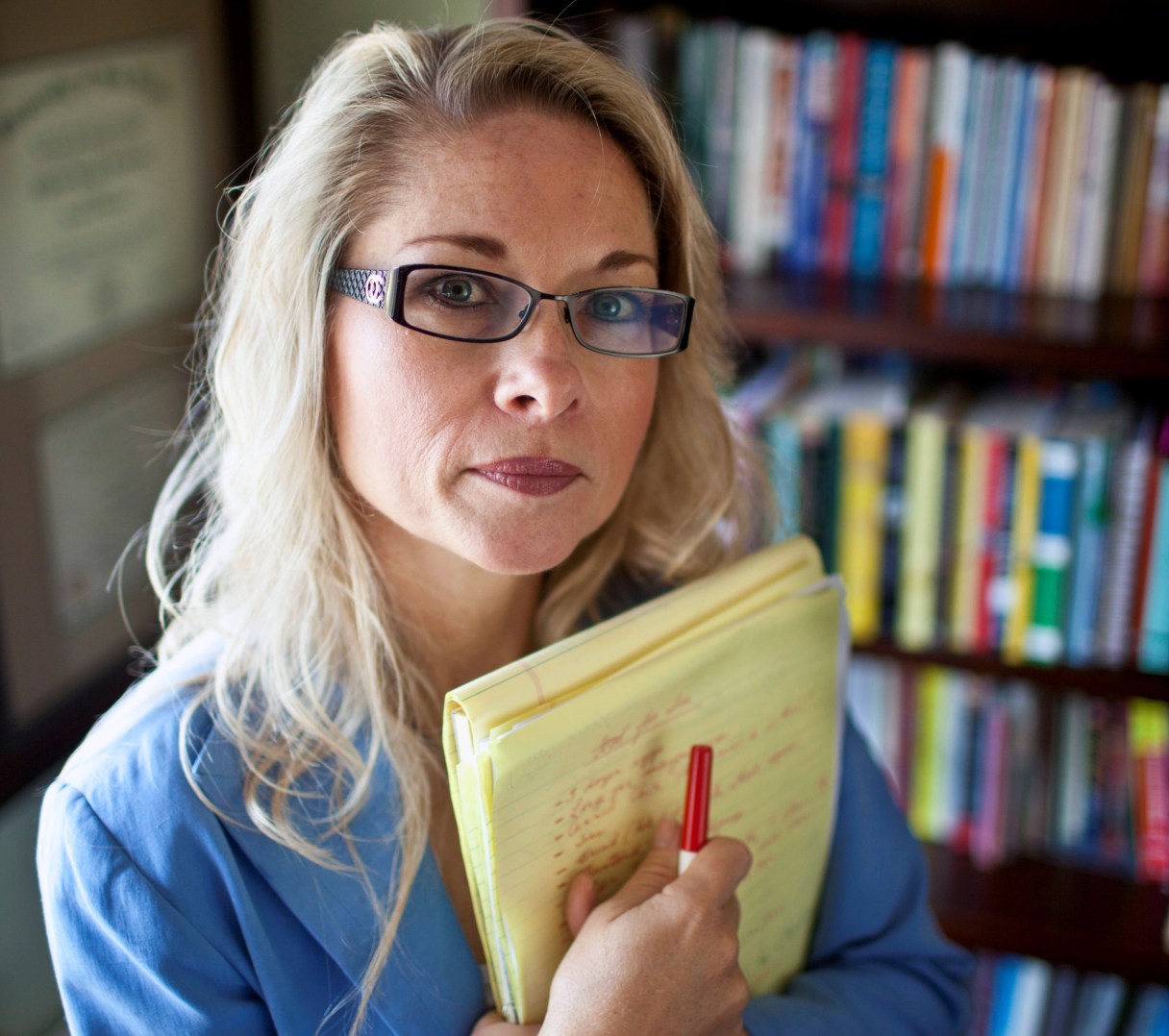
In this 2013, photo provided by Center for Individual Rights, Rebecca Friedrichs, a veteran Orange County, Calif., public school teacher, poses for a portrait. The Supreme Curt will hear arguments in a California case brought by a group of public school teachers who claim such mandatory fees violate the First Amendment rights of workers who disagree with the union's positions. The lead plaintiff in the case is Friedrichs, who says she left the California Teachers Association after becoming disillusioned with its mission. She wants the high court to overturn a 39-year-old ruling that said states can require non-members to pay "fair share" fees to cover what it costs the union to represent them in bargaining as long as the money doesn't go for political purposes. (Greg Schneider/Courtesy of the Center for Individual Rights via AP)

WASHINGTON (AP) – A Supreme Court dispute over public-sector union fees could sap the finances of organized labor and further erode the power of the nation’s labor movement.

The justices hear arguments Monday in a case that challenges the right of public-employee unions to collect fees from teachers, firefighters and other state and local government workers who choose not to become members.

A group of California public school teachers claims that such mandatory fees violate the First Amendment rights of workers who disagree with the union’s positions. Their lawsuit against the California Teachers Association seeks to overturn a nearly four-decade-old Supreme Court precedent that allows public unions to collect “fair share” fees from non-members to help cover the costs of collective bargaining.

The Supreme Court ruled in the 1977 case, Abood v. Detroit Board of Education, that states can require non-members to pay the fees as long as the money doesn’t go to political causes. The court said the arrangement prevents non-members from becoming “free riders” who get all the benefits of union bargaining and grievance procedures without paying for it.

But the high court has raised serious doubts about the rationale of Abood in two recent cases. It has stopped short of overturning it both times, but four justices joined a 2014 opinion by Justice Samuel Alito that called Abood “questionable.” Alito said it is now harder to draw the line between collective bargaining and political ends.