
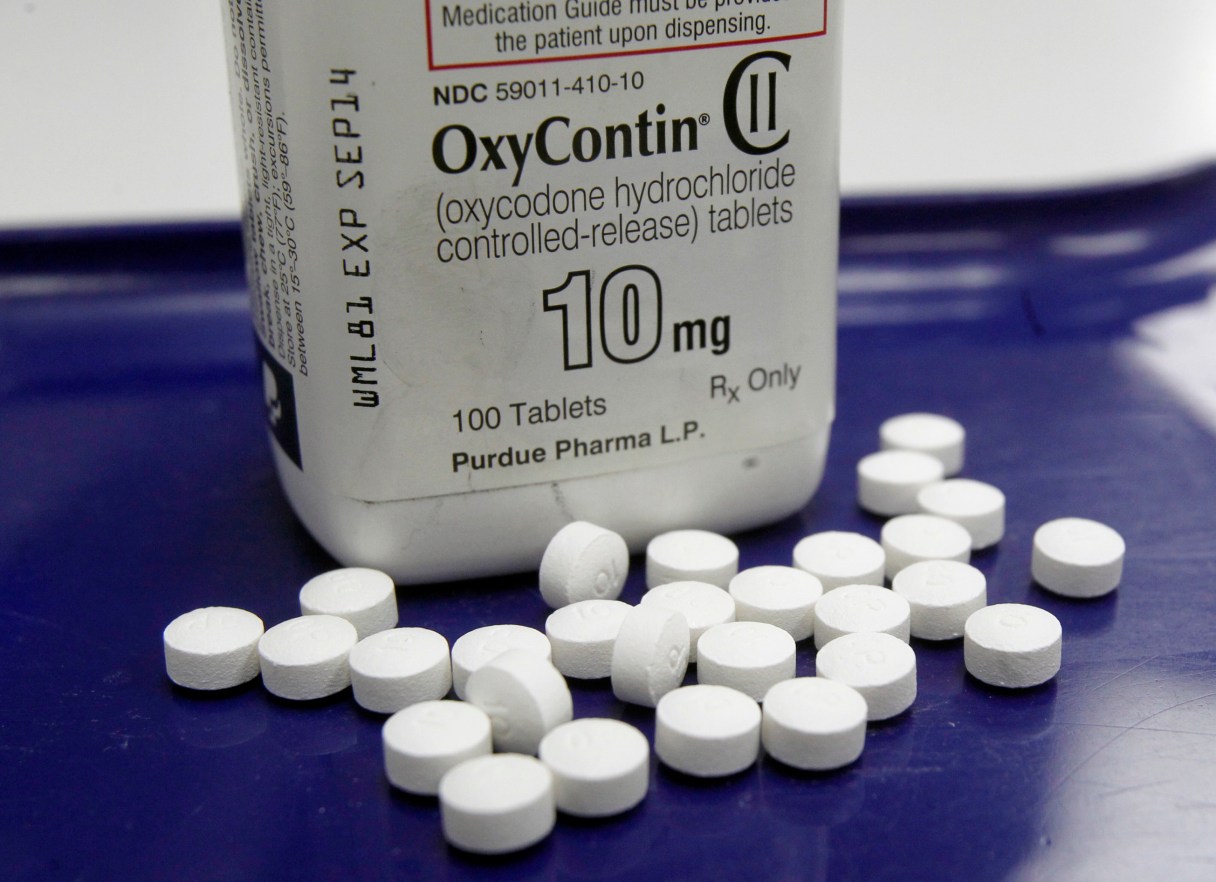
CHICAGO (AP) – Nearly 12 million Medicare beneficiaries received at least one prescription for an opioid painkiller last year at a cost of $4.1 billion, according to a federal report that shows how common the addictive drugs are in many older Americans’ medicine cabinets.
With an overdose epidemic worsening, nearly one-third of Medicare beneficiaries received at least one prescription for commonly abused opioids such as OxyContin and fentanyl in 2015. Those who did received an average of five such prescriptions or refills, according to the report from the Office of Inspector General for the U.S. Department of Health and Human Services.
“We are concerned about the high spending and the number of people receiving opioids,” said Miriam Anderson, who led the study, which was released Wednesday. “This raises concerns about abuse. This is a serious problem facing our country.”
Among all ages, there were nearly 19,000 fatal overdoses on prescription opioids in 2014, which was the most on record and the last year for which that data set was available.
The magnitude of opioid use among seniors is “astounding,” said Frederic Blow, who directs addiction research at the University of Michigan’s medical school and was not involved in the study.