

One to try
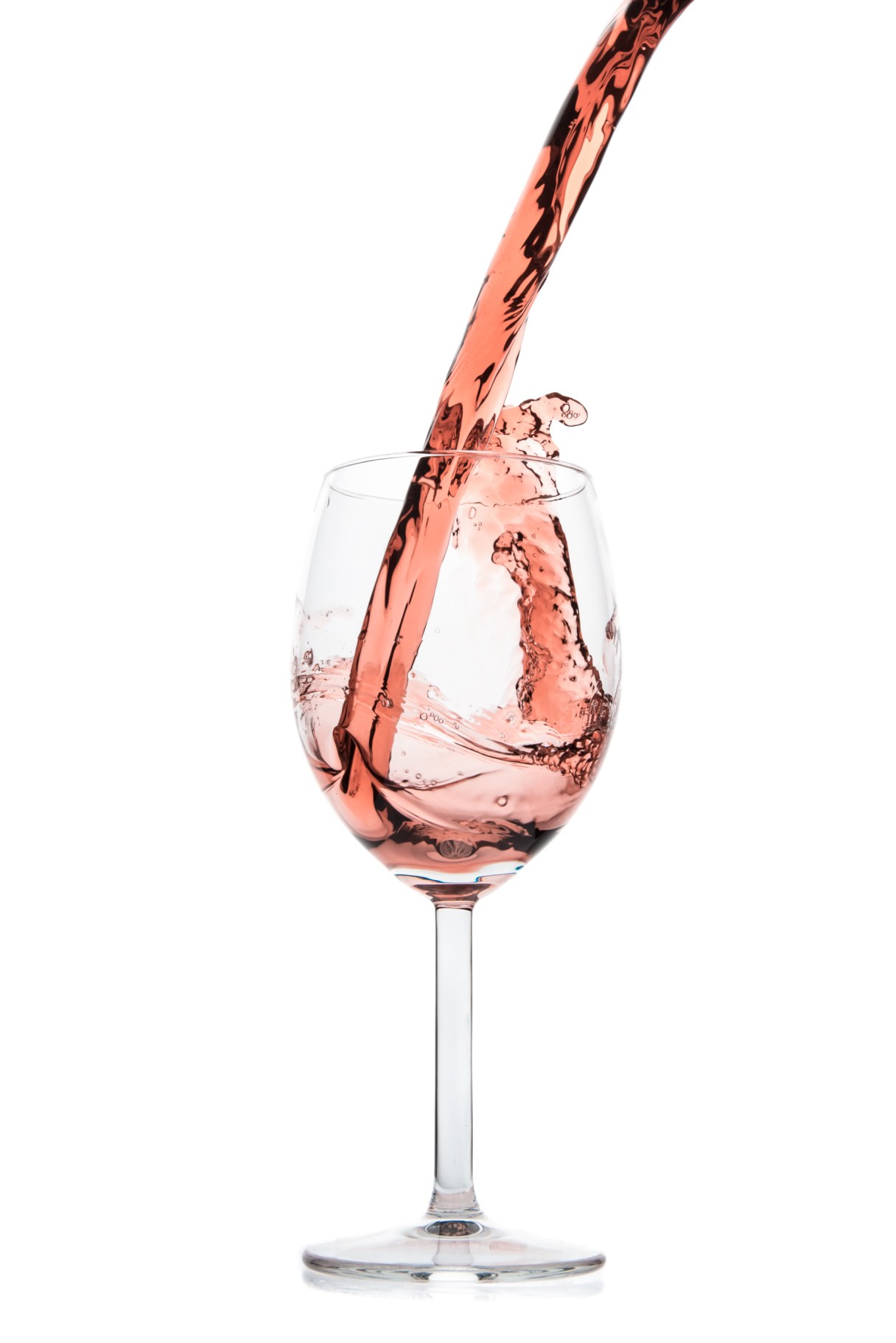
Pittnauer Blaufrankisch Rosé — a zippy, tart and earthy Austrian Rose with hints of cherry and almond. Available for $17.99 at Imbibe.
In the wine business for more than two decades, Brian Leutweiller recalls trying to sell dry rosé wines to his customers back in the mid-90s and finding it to be a hard sell in the Chattanooga market. People saw rosé as a sweet wine, such as similarly colored white zinfandel. “They didn’t know about dry rosé,” he says.
But that was then and this is now. Leutweiller is awaiting a shipment of 24 new brands of rosé, all previously unavailable in the city, to be added to the already-large selection of rosé at Imbibe Chattanooga, where he now serves as general manager.
Not a mix of red and white wines, as some believe, rosé gains its pink hue from the skins of the red grapes from which it is made. The difference between red wine and rosé is that with rosé, the skins are left in the juice a shorter length of time, resulting in a lighter color.
Leutweiller says interest in rosé has been picking up over the past few years – in Chattanooga and across the world. Regions including the South of France, Italy and Spain have long been known as leading producers of rosé, but places such as Austria and California are increasingly getting in on the game.
“For some males, there’s still a stigma that men don’t drink pink wine, but I drink it all the time, and I have male friends who drink it all the time,” he says. “It’s a great wine that covers so many bases.”
The Real Housewives of Beverly Hills cast members drink the stuff like water, and rosé would be the ideal accompaniment to whatever you have planned for mom this Mother’s Day. One of rosé’s selling points is its versatility, says Leutweiller.
“It’s perfect by itself, or you can have it with very light fare,” he says. “It’s great with anything that swims, anything that flies; it’s good with fried or spicy foods. If you think ‘picnic basket,’ go with a rosé.”
He says he likes just about any variety of rosé, which doesn’t need to be aged like red wines. The new crop of European rosés hitting the shelves this spring were made from grapes picked in the fall of 2015, says Leutweiller, which explains the wines’ vibrancy.