
When President Ronald Reagan signed the Tennessee Wilderness Act into law 32 years ago last week, the Act created the Big Frog, Citico Creek and Bald River Gorge wilderness areas. These places in the Cherokee National Forest play a critical role in preserving the health and wellness of current and future generations of Tennesseans.
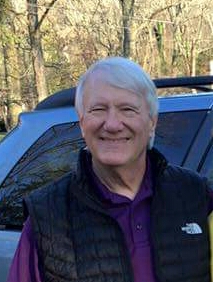
As a pediatric hematologist/oncologist, I wholly appreciate the gifts that natural areas like the Cherokee National Forest give us. We rely on trees for clean air, and we depend on protected watersheds for clean drinking water. Also, as the Scoutmaster of a Boy Scout troop for 25 years and an active member of three hiking clubs, I also recognize that we need places to exercise outside while we let our troubles go for a while. Much literature today exists on the health and psychological benefits of getting outdoors in nature, beginning at an early age.
The Cherokee National Forest spans 655,598 acres, but only roughly 66,000 acres are designated as wilderness. These areas offer backcountry activities like hunting, fishing, kayaking and rafting as well as camping, hiking and backpacking. For scientists and students, wilderness serves as a living laboratory for research and development. And for many others, these wild spaces also offer a chance to escape the hustle and bustle of our everyday lives.
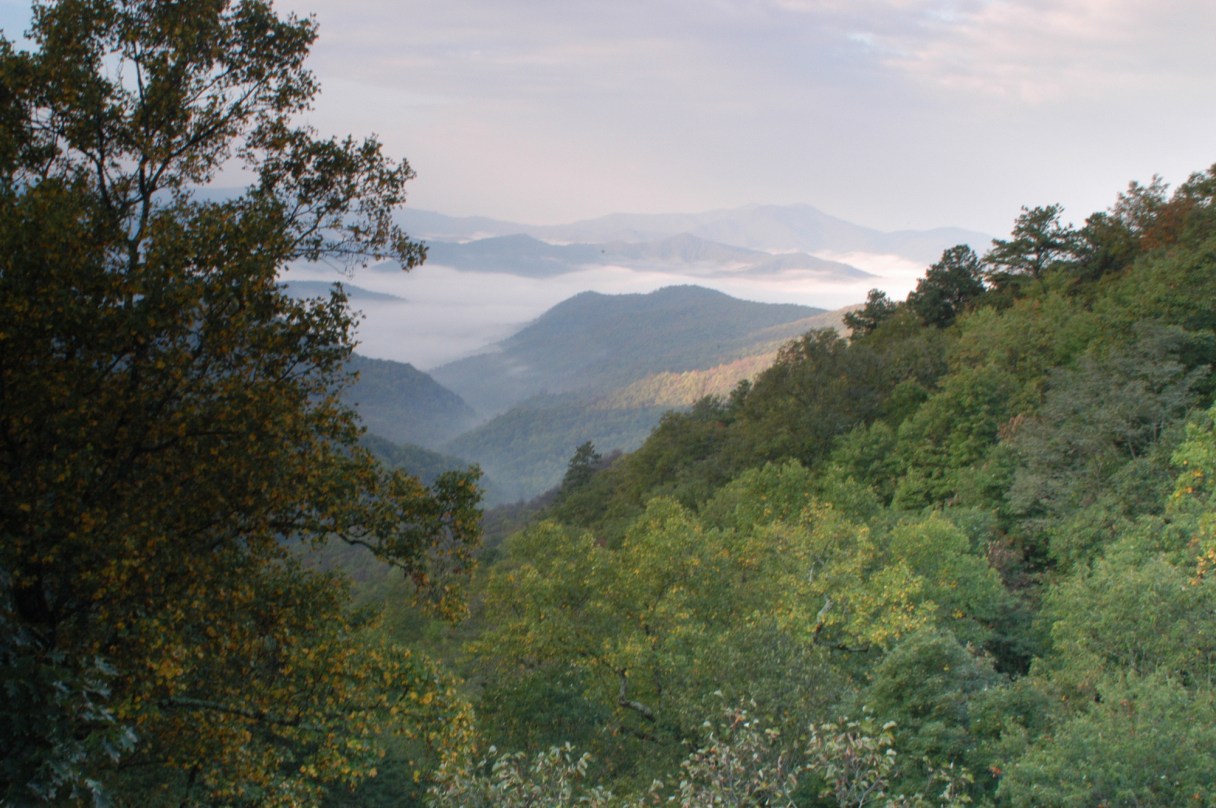
One place that was protected by the 1984 Tennessee Wilderness Act in the Cherokee National Forest is the Big Frog Wilderness Area. Nestled in the southeast corner of East Tennessee, it features some of the world’s oldest mountains and offers pristine waterfalls and roughly 35 miles of unspoiled backcountry trails. It also serves as a sanctuary for black bears, deer, turkey, and other wildlife that reside in the area.
The wilderness area’s namesake, Big Frog Mountain, rises nearly 4,300 feet, providing many popular hiking trails to the summit, including the Benton MacKaye Trail, which runs some 300 miles from Springer Mountain in Georgia to the north end of the Smokies. It is named for Benton MacKaye, the founder of the Appalachian Trail. Though the Appalachian Trail was eventually routed further to the east, the route over Big Frog was always Benton MacKaye’s preferred route. It is from here that people can view the incredible Great Smoky Mountains and breathe the fresh mountain air.