
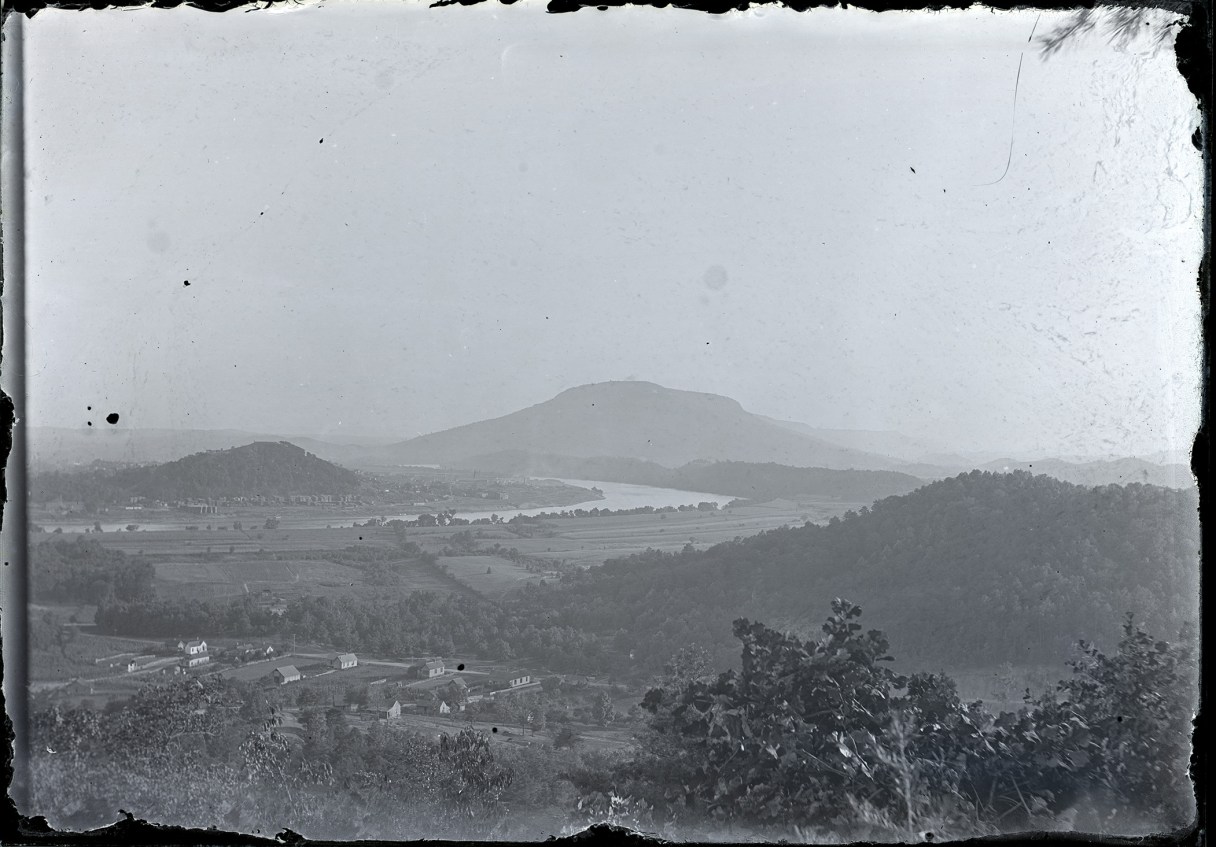

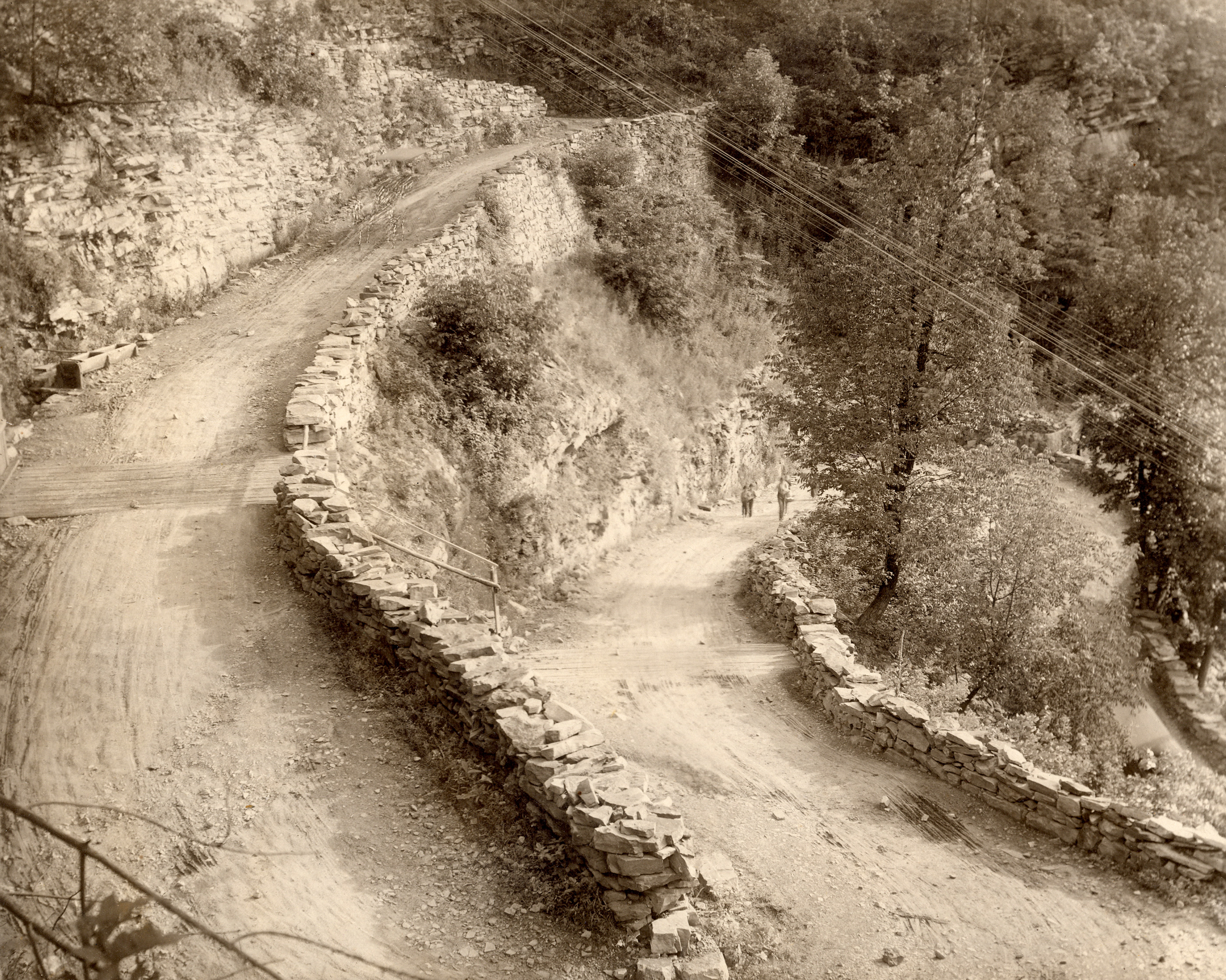
 This photo of the W Road from the mid-1890s is one of 30,000-plus photos in Picnooga’s collection.
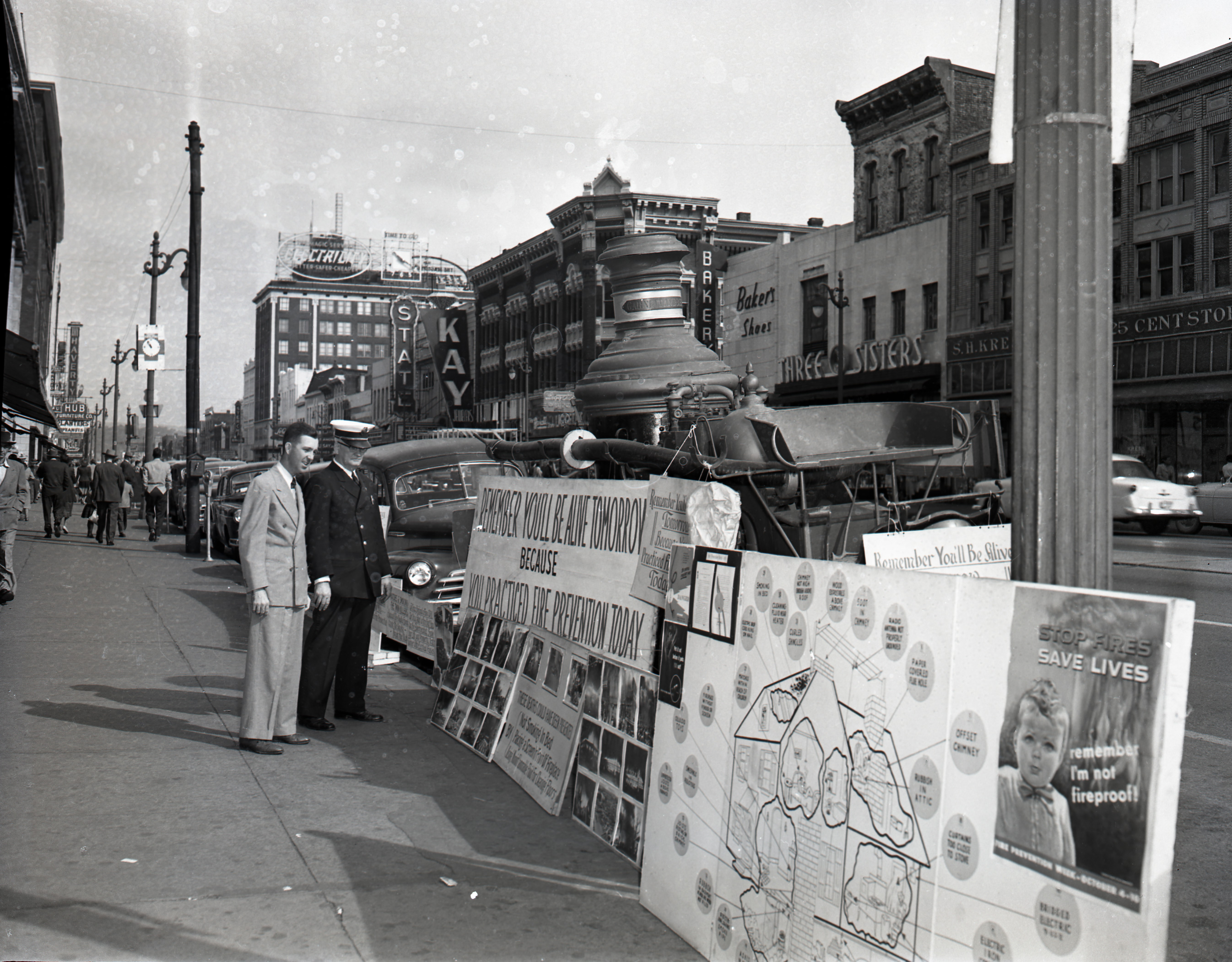 A Chattanooga Free-Press photo from 1953 shows the 700 block of Market Street looking north toward what is now the United Way building.
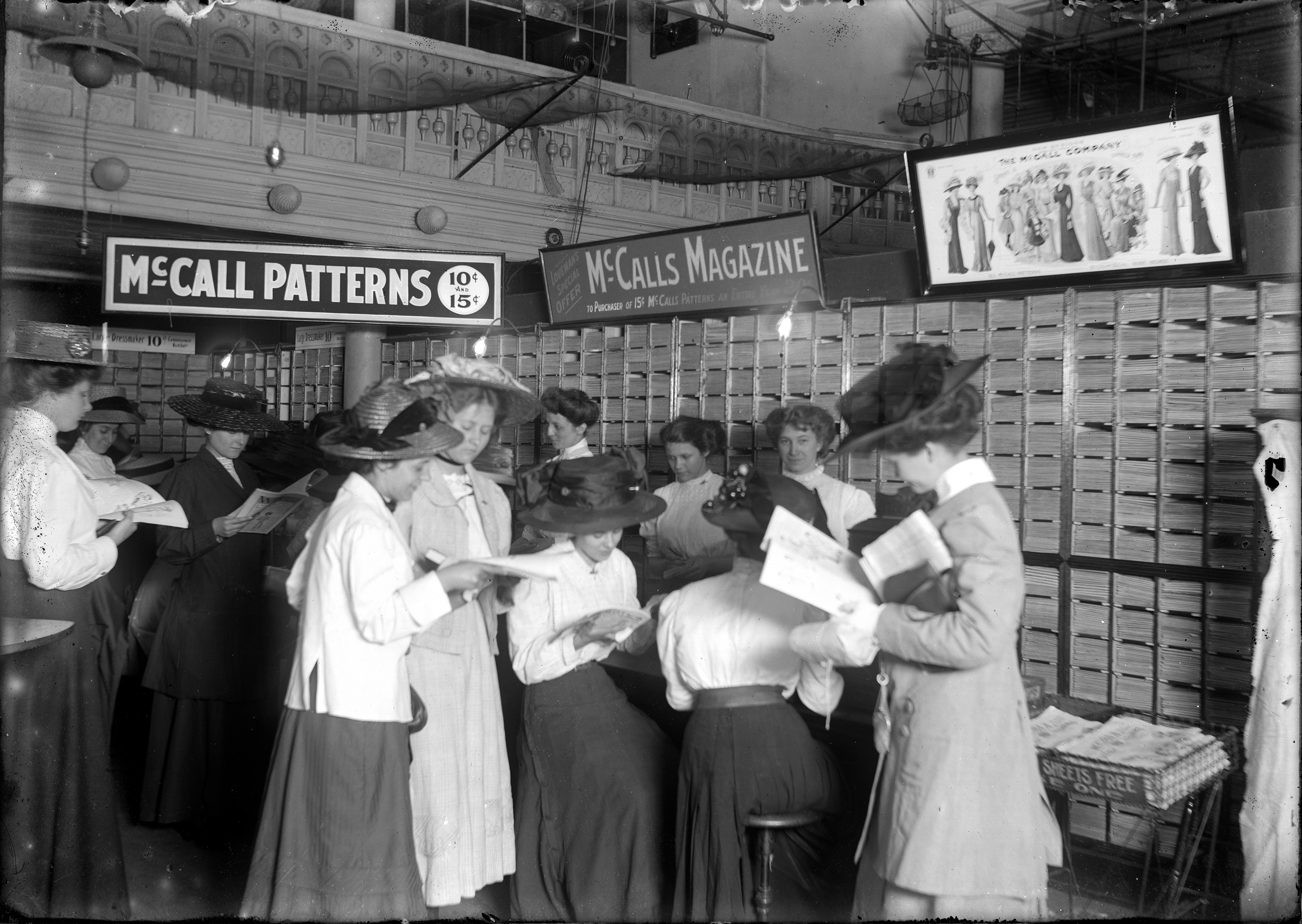 Women examine patterns inside the D.B. Loveman & Company department store at the intersection of Eighth and Market streets around 1900.
Picnooga began in January 2014 as a Facebook page focused on crowdsourcing and sharing digital copies of historical images from the city. Having largely met the first part of that goal, founder David Moon now hopes to make the collection of images more accessible. He’s launched a new crowdfunding campaign to fund Picnooga’s move from social media to a more user-friendly website.
“It’s gotten to the point that it’s become a fairly large collection,” Moon said of Picnooga, adding that the collection now comprises more than 30,000 images, along with physical items and artifacts. “The funds will allow us to build the infrastructure to digitize the collection so the public can enjoy it.”
The eventual goal with Picnooga has always been to create a website with a searchable database, allowing people to easily access the collection of digitized photos and artifacts free of charge, said Moon. The website will also feature more-thorough descriptions and interpretations of items in the collection, and allow people to zoom in on photos, view documents and suggest accompanying historical information regarding particular photos or items.
“Chattanooga is such a historical city, and since we lost the History Center, there’s no epicenter of history in Chattanooga,” Moon said, referring to the Chattanooga History Center, which vacated its space next to the Tennessee Aquarium in January after running out of funds before ever opening its doors. “The library has a fine collection, but they typically wait for people to donate to them, rather than actually going out and finding stuff.”
Picnooga’s focus is on what Moon refers to as the “shoe box layer,” the undiscovered pieces of history that people find in a shoe box that used to belong to a relative, hidden away in the back of the closet. The goal is to bring these items together, archive them and make them available to the public through a searchable database. The more people who see these items, the more likely it is that someone with relevant information could provide feedback, helping Picnooga to put faces with names and otherwise build the backstories of items in the collection, explained Moon.