
Wednesday, November 11, 2026Nov 11

Group to vote on urging nations to end domestic ivory trade

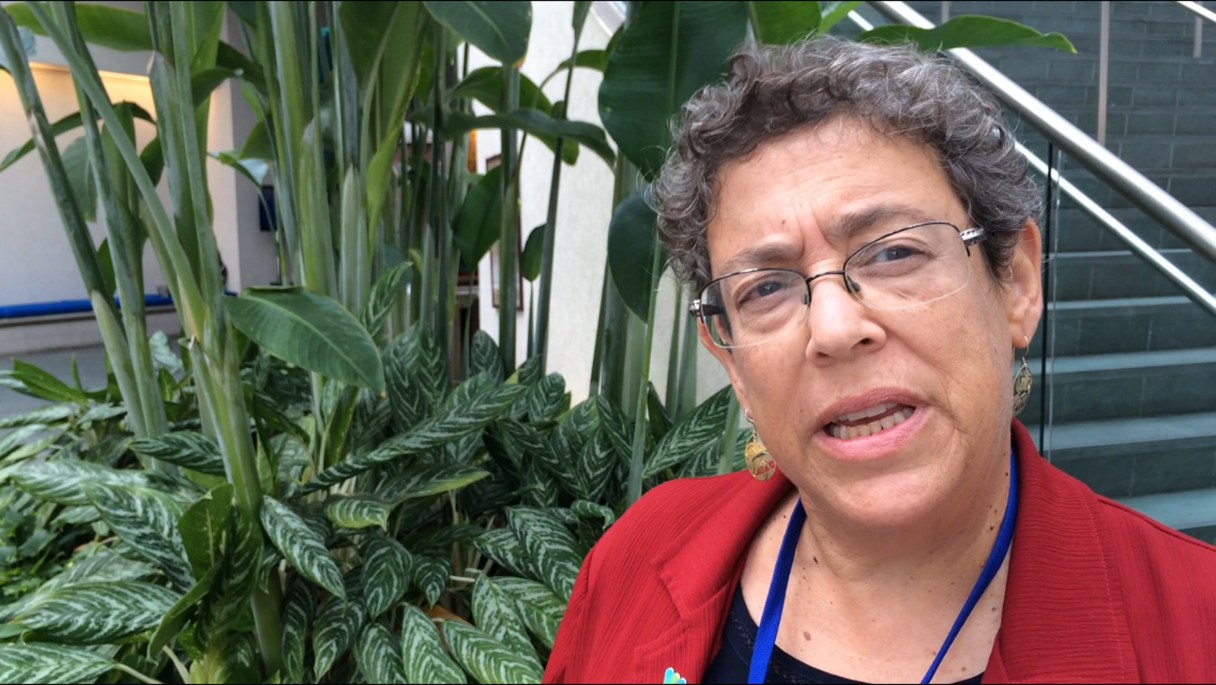
In this Sept. 7, 2016 photo, Susan Lieberman, vice president for international conservation at the Wildlife Conservation Society, talks about the need for countries to ban trading ivory in Honolulu, Hawaii. Members of an international environmental group are voting on a proposal to urge leaders in every country to close domestic ivory markets. The International Union for Conservation of Nature plans to vote on the proposal at the World Conservation Congress in Honolulu. (AP Photo/By Cathy Bussewitz)
In this Sept. 7, 2016 photo, Susan Lieberman, vice president for international conservation at the Wildlife Conservation Society, talks about the need for countries to ban trading ivory in Honolulu, Hawaii. Members of an international environmental group are voting on a proposal to urge leaders in every country to close domestic ivory markets. The International Union for Conservation of Nature plans to vote on the proposal at the World Conservation Congress in Honolulu. (AP Photo/By Cathy Bussewitz) In this Sept. 7, 2016 photo, Susan Lieberman, vice president for international conservation at the Wildlife Conservation Society, talks about the need for countries to ban trading ivory in Honolulu, Hawaii. Members of an international environmental group are voting on a proposal to urge leaders in every country to close domestic ivory markets. The International Union for Conservation of Nature plans to vote on the proposal at the World Conservation Congress in Honolulu. (AP Photo/By Cathy Bussewitz)

HONOLULU (AP) – Members of an international environmental group are expected to vote on a proposal Saturday to urge leaders in every country to close domestic ivory markets that threaten elephants.

Ivory trading is banned internationally, but domestic trade within countries is legal nearly everywhere.

The International Union for Conservation of Nature planned to vote on the proposal Friday at the World Conservation Congress in Honolulu, but some members of the global group of government and nonprofit representatives didn’t want a ban, and the vote was delayed when they filed a complaint saying their concerns had not been heard.

“Some governments just don’t see the reality of the crisis that the countries of central and East Africa are facing right now,” said Susan Lieberman, vice president for international conservation at the Wildlife Conservation Society. “This is about saying to all governments, ‘Make it so people can’t buy ivory, because that’s the only thing that’s going to stop the organized criminals who are causing the poaching of elephants.'”

If the group passes the proposal, it won’t have the power to enforce it. Each country would have to enact laws individually, but the group’s policy experts could help countries craft laws.