
Thursday, November 12, 2026Nov 12

The pluses and minuses of drugmakers’ discount cards

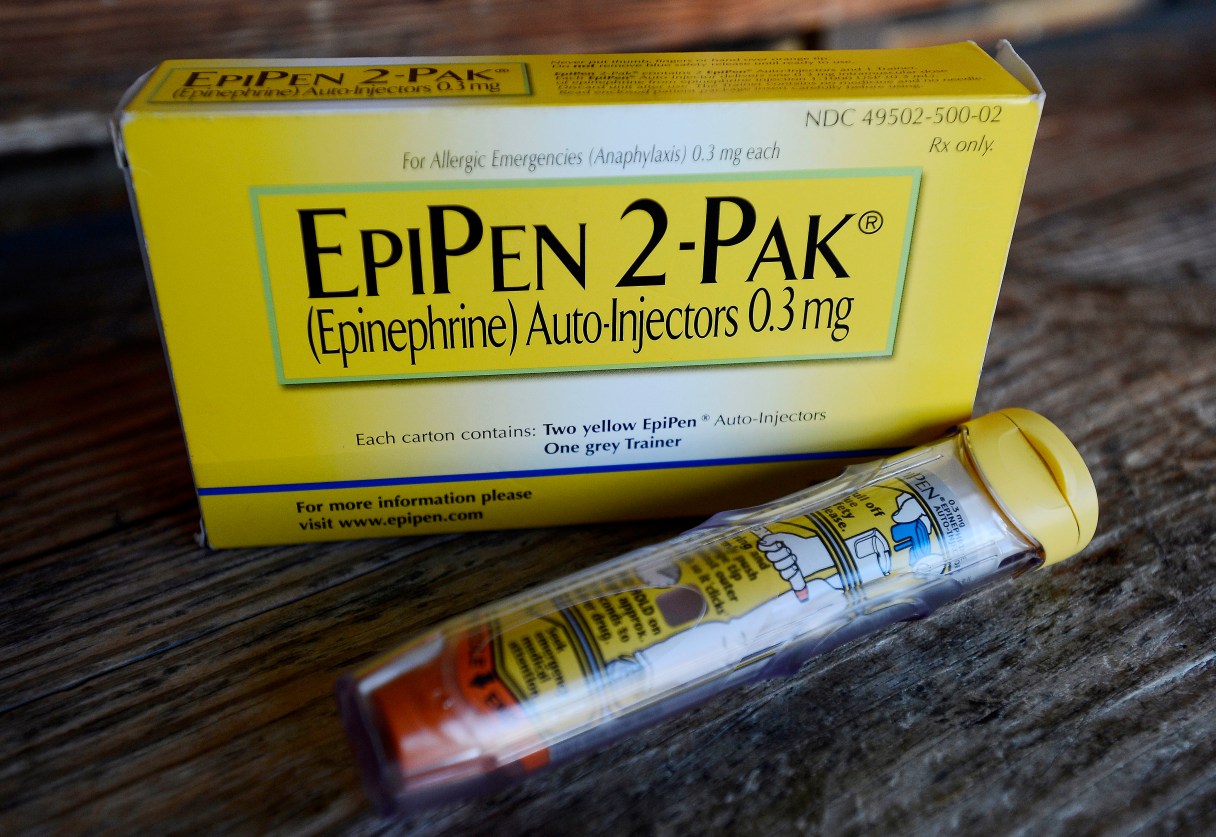
FILE - This Oct. 10, 2013, file photo, shows an EpiPen epinephrine auto-injector, a Mylan product, in Hendersonville, Texas. Facing public furor for the price of its emergency allergy shot EpiPen, Mylan Pharmaceuticals quickly pointed to a familiar industry solution: copay discount cards. Discount cards for EpiPen and other pricey drugs can help consumers lower their pharmacy costs. But don't call them a solution to skyrocketing drug prices, experts say. (AP Photo/Mark Zaleski, File)
FILE - This Oct. 10, 2013, file photo, shows an EpiPen epinephrine auto-injector, a Mylan product, in Hendersonville, Texas. Facing public furor for the price of its emergency allergy shot EpiPen, Mylan Pharmaceuticals quickly pointed to a familiar industry solution: copay discount cards. Discount cards for EpiPen and other pricey drugs can help consumers lower their pharmacy costs. But don't call them a solution to skyrocketing drug prices, experts say. (AP Photo/Mark Zaleski, File) FILE - This Oct. 10, 2013, file photo, shows an EpiPen epinephrine auto-injector, a Mylan product, in Hendersonville, Texas. Facing public furor for the price of its emergency allergy shot EpiPen, Mylan Pharmaceuticals quickly pointed to a familiar industry solution: copay discount cards. Discount cards for EpiPen and other pricey drugs can help consumers lower their pharmacy costs. But don't call them a solution to skyrocketing drug prices, experts say. (AP Photo/Mark Zaleski, File)

WASHINGTON (AP) – Facing public furor for the price of its emergency allergy shot EpiPen, Mylan Pharmaceuticals quickly pointed to a familiar industry solution: copay discount cards.

Copay coupons or cards have become a ubiquitous part of the pharmaceutical business, offered through websites, mobile apps and doctor’s offices. Patient advocates say they can bring down out-of-pocket expenses for patients who face high copays and deductibles. Mylan last month boosted its discount cards to cover $300 of insured patients’ copay costs, up from $100.

But they also have a clear business purpose: steering people toward brand-name drugs when cheaper options are often available. Researchers say those higher costs ultimately drive up expenses for insurers, employers and the health system at large.

A look at the pros and cons of copay discount cards:

PRO: LOWER OUT-OF-POCKET COSTS