
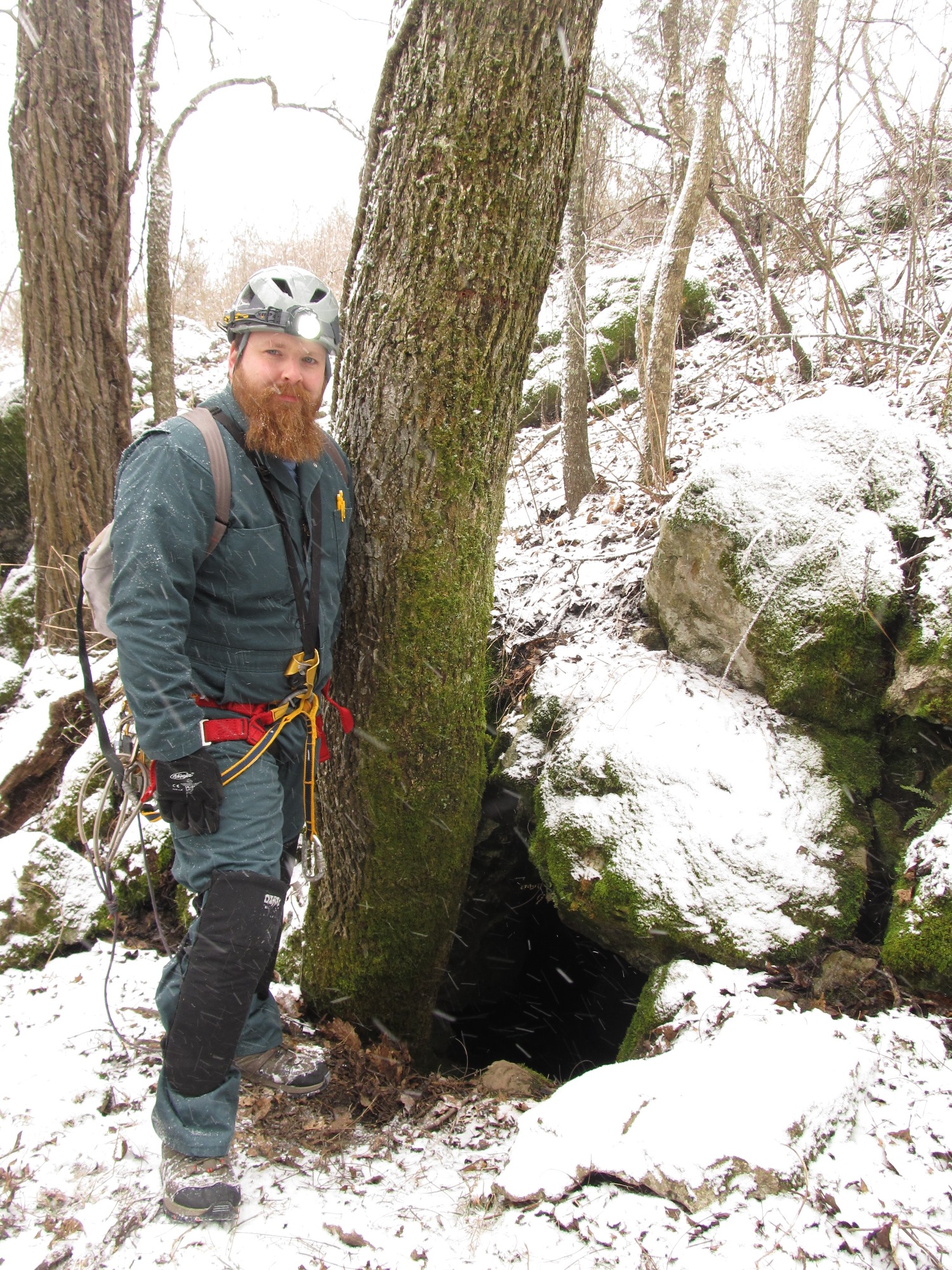
 Cory Holliday prepares to enter a cave to examine the bat populations hibernating within. The fungus responsible for white-nose syndrome invades the skin of hibernating bats and disrupts both their hydration and hibernation cycles. Due to this, hibernating bats awake repeatedly during the winter, burning up limited fat reserves. They often end up leaving hibernation sites in late winter, dehydrated and in search of food — and ultimately dying.
White-nose syndrome’s impact in Tennessee:
Indiana bat:77 percent declineLittle brown bat: 83 percent declineTri-colored bat: 90 percent declineNorthern long-eared bat: 99 percent decline
Did you know?
The U.S. Fish and Wildlife Service estimates more than 5.7 million bats have died of white-nose syndrome since the disease was first documented in New York during the 2006-07 winter.
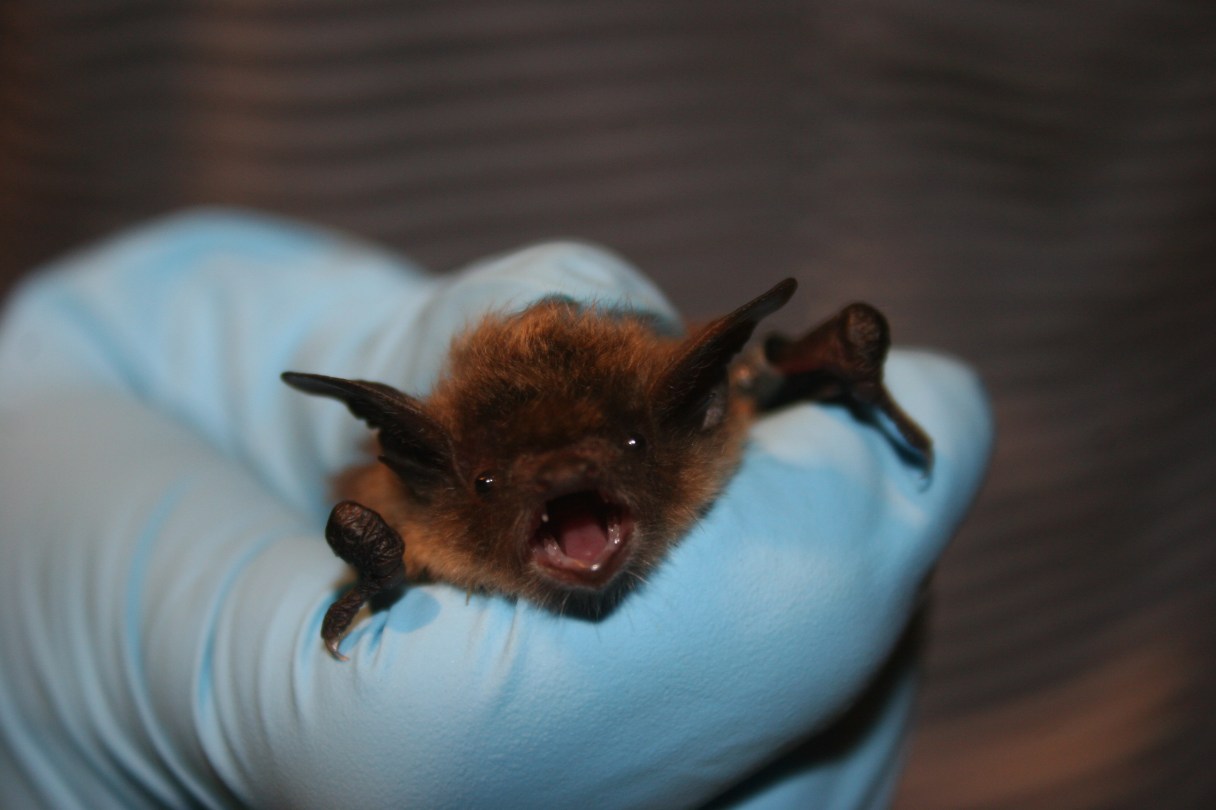
Just a few years ago, populations of the northern long-eared bat and several other species were so prominent, researchers often bypassed counting them altogether. Now, the population of those same bats across the state of Tennessee is thought to have declined by as much as 99 percent.
“Pre white-nose syndrome, we had a lot of bats that were thought of as very common and we didn’t pay that much attention to them because they were just kind of ubiquitous; they were so plentiful,” says Cory Holliday, cave and karst program director for The Nature Conservancy of Tennessee. ” Very mistakenly, in hindsight, we paid attention to the smaller numbers of the endangered species, like the Indiana bat and the gray bat, and walked right past the others.”
Now, the northern long-eareds (Myotis septentrionalis) find themselves on the list of threatened species, edging closer and closer to the gray bats (Myotis grisescens), who are actually doing a better job battling the emergent disease that has decimated bat populations across the United States since being accidentally transported from Eurasia – where bats seem to be unaffected by it – nearly a decade ago.