
Let it be said that for one lovely moment, House Speaker Paul D. Ryan and House Democratic leader Nancy Pelosi responded exactly as those in authority should to a shocking assault on human lives and our political system. After last Wednesday’s shooting on a baseball field, both spoke in a spirit of thoughtful solidarity and genuinely mutual concern. Kudos to them.
Unfortunately, so much else that has been said over the past few days is – I will use a family-oriented term – balderdash. We are not, alas, about to enter some new age of civility because of this terrible episode. And our divisions are not just a matter of our failing to speak nicely of and to each other, even though politeness is an underrated virtue these days.
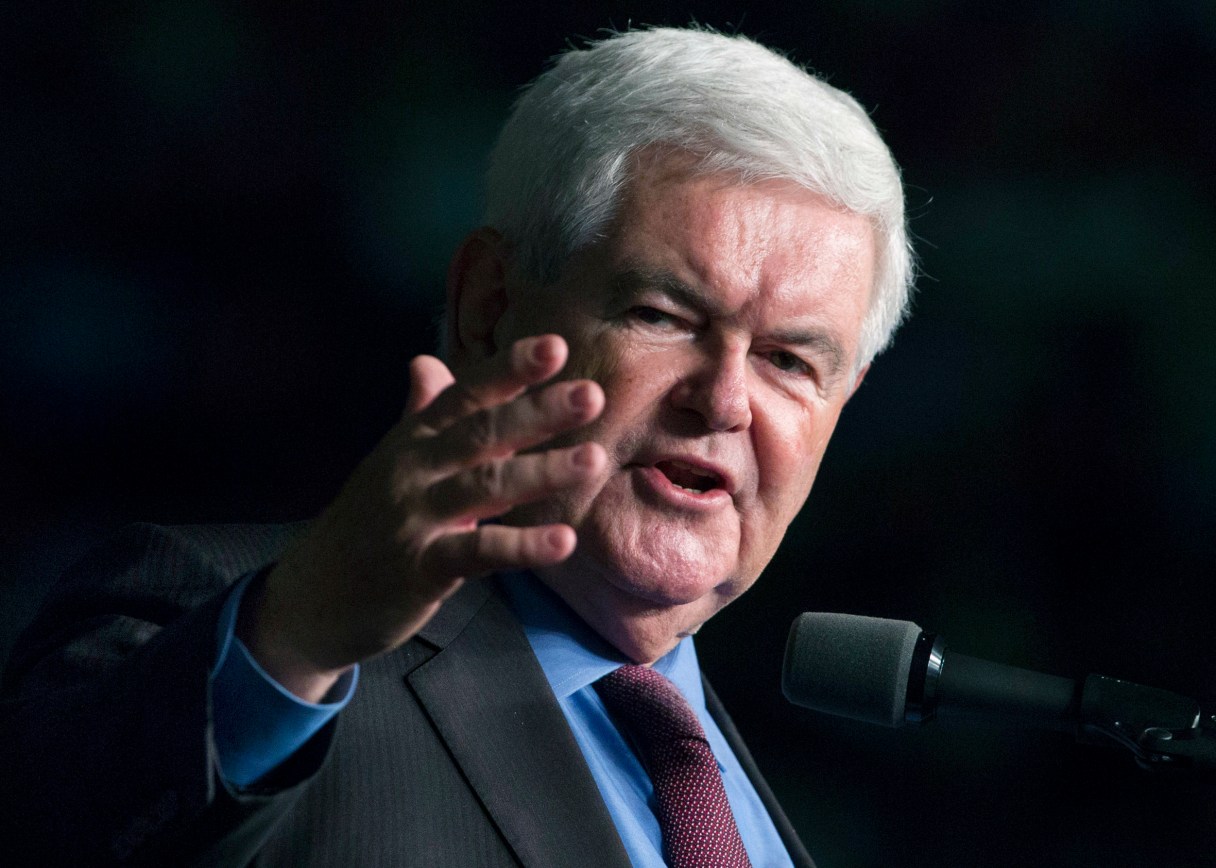
The harsh feelings in our politics arise from a long process – the steady destruction of the norms of partisan competition that began more than a quarter-century ago. Well before President Trump took political invective to a new level, Newt Gingrich was pushing his side to extreme forms of aggressiveness. Journalist John M. Barry cited an emblematic 1978 speech Gingrich gave to a group of College Republicans in which he warned them off “Boy Scout words, which would be great around the campfire, but are lousy in politics.”
“You’re fighting a war,” the future House speaker said. “It is a war for power . Don’t try to educate them. That is not your job . What’s the primary purpose of a political leader? To build a majority.”
Gingrich won his majority in 1994, but the cost was high. This is not to say that Democrats were pacifists. But I’d argue that the critical shift happened on the Republican side. The turning point came when President George H.W. Bush was punished by members of his own party, including Gingrich, for agreeing with Democrats on the need for a tax increase in 1990. It was a watershed for the GOP. Republicans would never again repeat what they saw as the elder Bush’s “mistake.”