
Wednesday, November 11, 2026Nov 11

New president’s politicking raises ethics flags

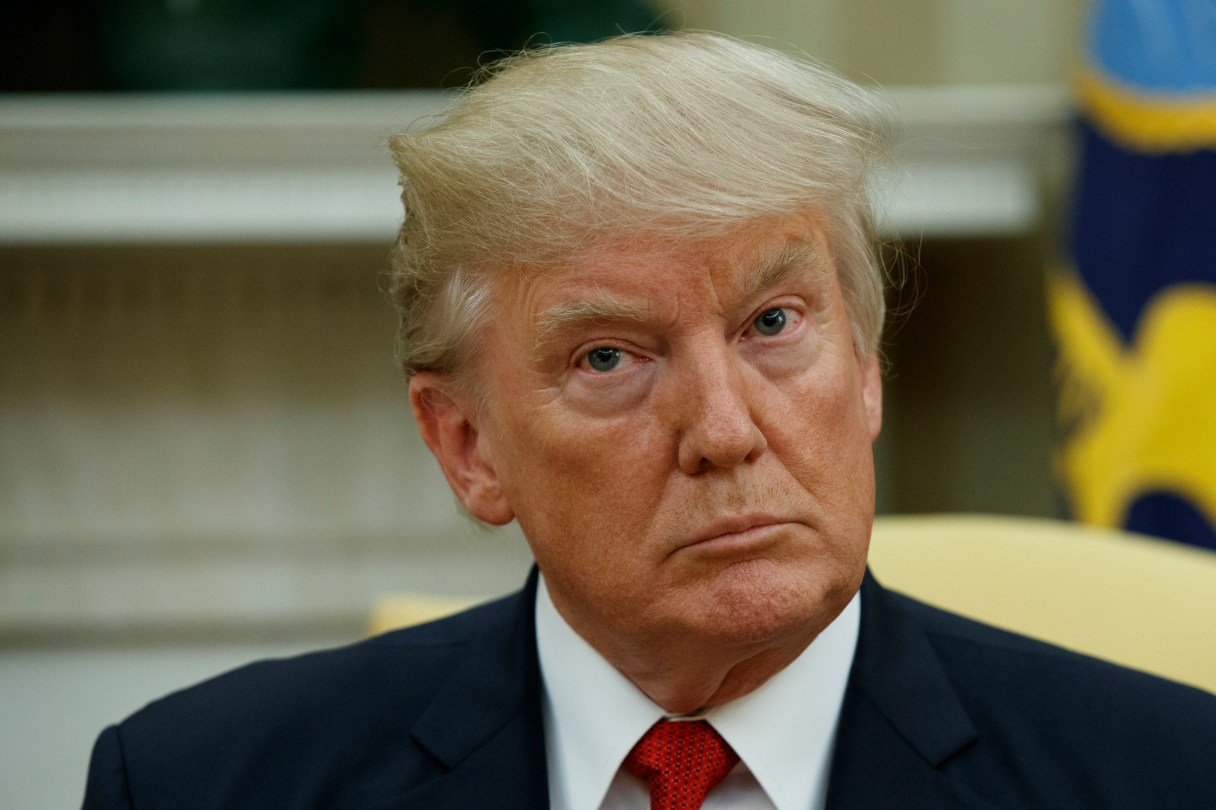
President Donald Trump listens in the Oval Office of the White House in Washington, Monday, June 26, 2017. Democrats are out to capitalize on what they believe is growing public sentiment that President Donald Trump, the richest man to call the White House home, is turning his back on the regular people who got him elected in favor of his wealthy peers. The party is hoping that pitch will pack extra oomph at a time when even some Republicans are raising concerns that the GOP health-care plan could hurt the poor.  (AP Photo/Evan Vucci)
President Donald Trump listens in the Oval Office of the White House in Washington, Monday, June 26, 2017. Democrats are out to capitalize on what they believe is growing public sentiment that President Donald Trump, the richest man to call the White House home, is turning his back on the regular people who got him elected in favor of his wealthy peers. The party is hoping that pitch will pack extra oomph at a time when even some Republicans are raising concerns that the GOP health-care plan could hurt the poor. (AP Photo/Evan Vucci) President Donald Trump listens in the Oval Office of the White House in Washington, Monday, June 26, 2017. Democrats are out to capitalize on what they believe is growing public sentiment that President Donald Trump, the richest man to call the White House home, is turning his back on the regular people who got him elected in favor of his wealthy peers. The party is hoping that pitch will pack extra oomph at a time when even some Republicans are raising concerns that the GOP health-care plan could hurt the poor. (AP Photo/Evan Vucci)

WASHINGTON (AP) – Barely five months into office, President Donald Trump keeps taking time out from governing to run for re-election.

On Wednesday night, he’ll attend his first 2020 campaign fundraiser, rubbing elbows with some of the Republican Party’s top donors on familiar turf: his own hotel down the street from the White House. He’s already spent five evenings on the road at political rallies, always in states that supported him in November and always in front of an audience of thousands of fans who are screened and selected by his campaign aides.

The historically early campaigning comes with clear fundraising benefits, but it has raised red flags. Among them: Government employees have inappropriately crossed over into campaign activities, tax dollars may be subsidizing some aspects of campaign events, and as a constant candidate, the president risks alienating Americans who did not vote for him.

Larry Noble, former general counsel to the Federal Election Commission, said the early campaigning creates plenty of “potential tripwires,” adding: “They’re going to have to proceed very carefully to avoid violations.”

The White House did not answer questions about the early politicking, including whether any government costs are reimbursed by the campaign and whether White House employees who help with politics in their spare time have received training on how to avoid ethical pitfalls.