
Wednesday, November 11, 2026Nov 11

Dakota Access oil pipeline doesn’t faze big rail shippers

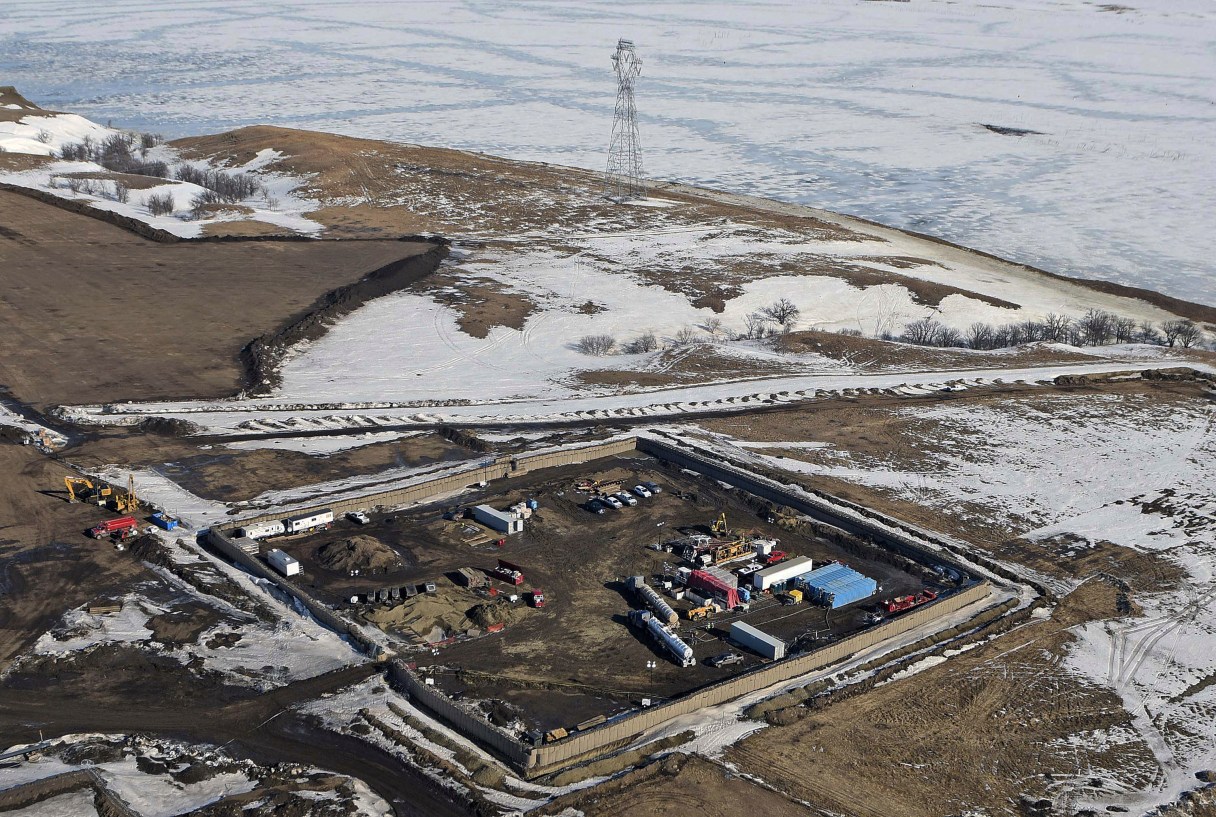
FILE - In this Feb. 13, 2017, aerial file photo shows the site where the final phase of the Dakota Access Pipeline will take place with boring equipment routing the pipeline underground and across Lake Oahe to connect with the existing pipeline in Emmons County near Cannon Ball, N.D. American Indians from across the country are bringing their frustrations with the Trump administration and its approval of the Dakota Access oil pipeline to the nation's capital Tuesday, March 7, 2017, kicking off four days of activities that will culminate in a march on the White House. (Tom Stromme/The Bismarck Tribune via AP, File)
FILE - In this Feb. 13, 2017, aerial file photo shows the site where the final phase of the Dakota Access Pipeline will take place with boring equipment routing the pipeline underground and across Lake Oahe to connect with the existing pipeline in Emmons County near Cannon Ball, N.D. American Indians from across the country are bringing their frustrations with the Trump administration and its approval of the Dakota Access oil pipeline to the nation's capital Tuesday, March 7, 2017, kicking off four days of activities that will culminate in a march on the White House. (Tom Stromme/The Bismarck Tribune via AP, File) FILE - In this Feb. 13, 2017, aerial file photo shows the site where the final phase of the Dakota Access Pipeline will take place with boring equipment routing the pipeline underground and across Lake Oahe to connect with the existing pipeline in Emmons County near Cannon Ball, N.D. American Indians from across the country are bringing their frustrations with the Trump administration and its approval of the Dakota Access oil pipeline to the nation's capital Tuesday, March 7, 2017, kicking off four days of activities that will culminate in a march on the White House. (Tom Stromme/The Bismarck Tribune via AP, File)

BISMARCK, N.D. (AP) – The two biggest railroads shipping oil from North Dakota don’t seem particularly concerned that the Dakota Access pipeline may be about to come online, as oil makes up only a small percentage of their business in the state.

The pipeline could begin operating as soon as next week, despite an unresolved legal dispute involving two Native American tribes seeking to shut it down. At capacity, it will be able to transport half of the oil production of North Dakota, the nation’s No. 2-producing state behind Texas.

That isn’t likely to be a big concern for the state’s dominant rail shippers, BNSF Railway and Canadian Pacific Railway, which ship more coal and commodities such as grain than crude.

The pipeline’s developer, Texas-based Energy Transfer Partners, said in court documents last year that it has long-term transportation contracts with nine companies that want to ship oil through the pipeline.

“We think it’s going to be substantial,” said Ron Ness, president of the North Dakota Petroleum Council, a trade group representing nearly 500 energy companies. “It’s going to move a lot of barrels from western North Dakota.”