
Wednesday, November 11, 2026Nov 11

Rare frog discovery has researchers hopping for joy

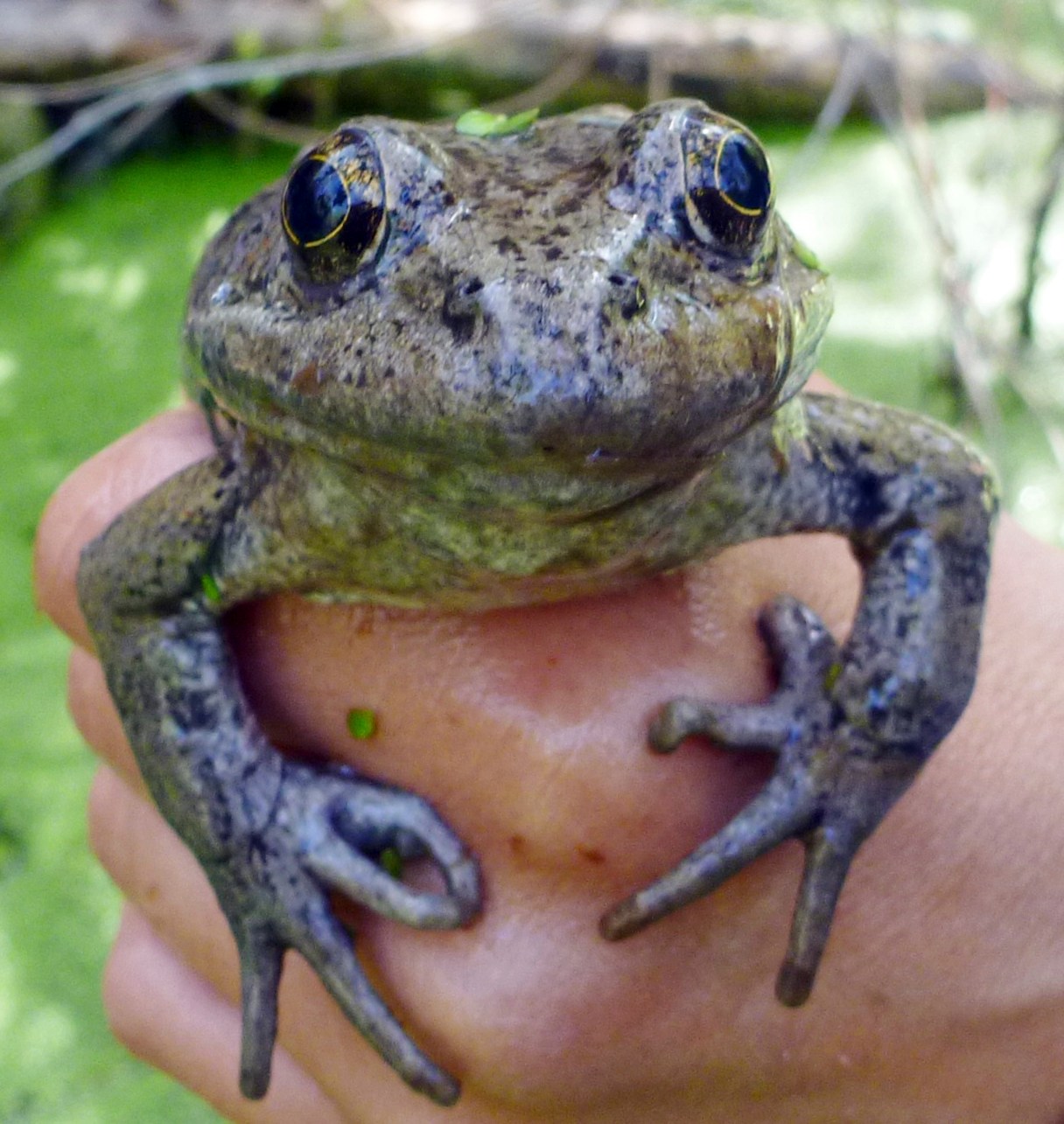
This March 20, 2017 photo from the National Park Service shows a California red-legged frog (Rana draytonii), found in the Santa Monica Mountains near Los Angeles. The discovery involving the rare frog has researchers hopping for joy. The NPS says egg masses from the frog were found last week in a stream in the mountains adjacent to the Los Angeles metropolitan area. It's evidence that the endangered species is reproducing. (National Park Service via AP)
This March 20, 2017 photo from the National Park Service shows a California red-legged frog (Rana draytonii), found in the Santa Monica Mountains near Los Angeles. The discovery involving the rare frog has researchers hopping for joy. The NPS says egg masses from the frog were found last week in a stream in the mountains adjacent to the Los Angeles metropolitan area. It's evidence that the endangered species is reproducing. (National Park Service via AP) This March 20, 2017 photo from the National Park Service shows a California red-legged frog (Rana draytonii), found in the Santa Monica Mountains near Los Angeles. The discovery involving the rare frog has researchers hopping for joy. The NPS says egg masses from the frog were found last week in a stream in the mountains adjacent to the Los Angeles metropolitan area. It's evidence that the endangered species is reproducing. (National Park Service via AP)

THOUSAND OAKS, Calif. (AP) – A discovery involving a rare California frog has researchers hopping for joy.

Nine egg masses from the California red-legged frog were discovered on March 14 in a creek in the Santa Monica Mountains, which stretch from Los Angeles westward along the Malibu coast into Ventura County.

The endangered species hasn’t been seen naturally in the mountains since the 1970s and the National Park Service has been trying to rebuild the population by transplanting eggs from a population in the nearby Simi Hills.

The discovery of new egg masses indicates that after four years of effort, the population is showing signs of sustaining itself without human help, although transplants will continue, the park service indicated.

“I was literally crying when the stream team showed me the photos of egg masses,” Katy Delaney, a National Park Service ecologist with Santa Monica Mountains National Recreation Area, said in a statement. “The years of work we’ve put in is showing amazing progress. There’s still plenty of work to be done, but this is a major moment for the project.”