
Wednesday, November 11, 2026Nov 11

Climate change taking toll on clarity pf Lake Tahoe water

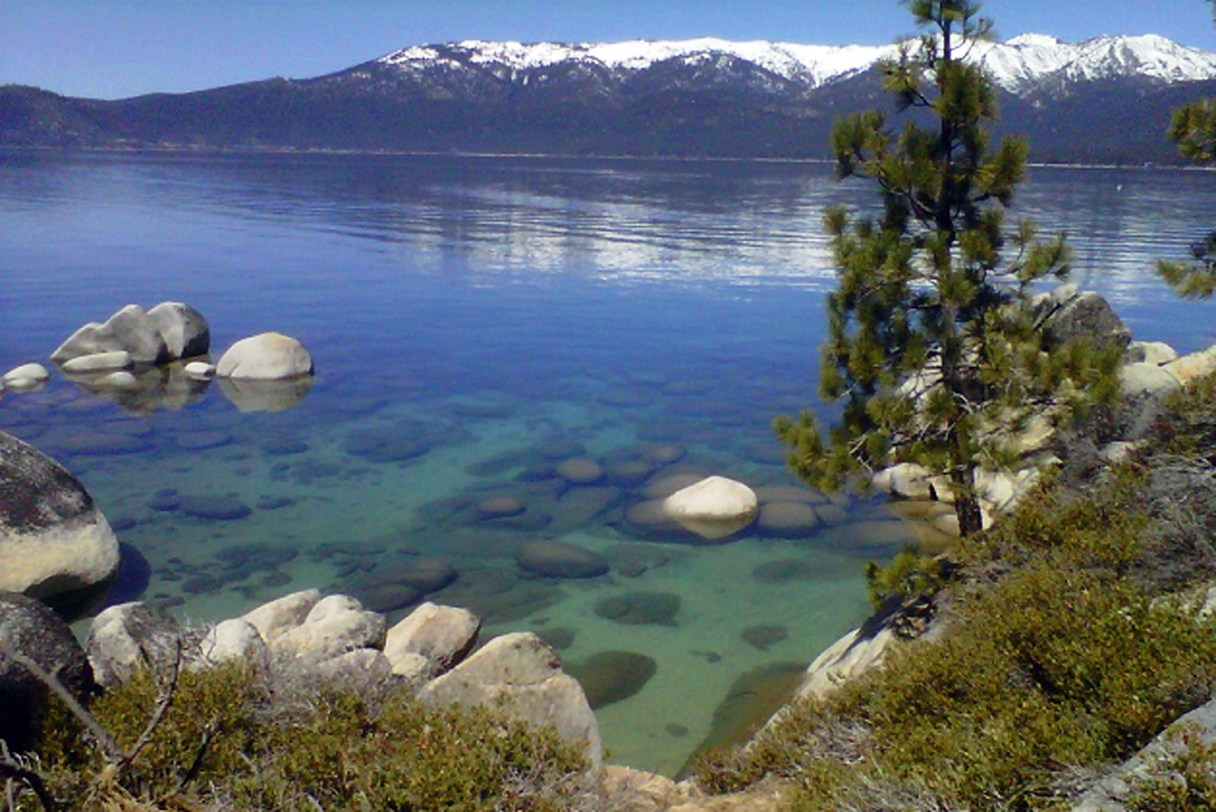
FILE - This April 12, 2012 file photo shows the clarity of Lake Tahoe near Incline Village, Nev. Climate change is changing the rules of nature scientists have followed for decades as they try to identify the causes of Lake Tahoe's loss of clarity and chart a course to restore the ecological health of the cobalt mountain waters dubbed the ''crown jewel'' of the Sierra. (AP Photo/Scott Sonner, File)
FILE - This April 12, 2012 file photo shows the clarity of Lake Tahoe near Incline Village, Nev. Climate change is changing the rules of nature scientists have followed for decades as they try to identify the causes of Lake Tahoe's loss of clarity and chart a course to restore the ecological health of the cobalt mountain waters dubbed the ''crown jewel'' of the Sierra. (AP Photo/Scott Sonner, File) FILE - This April 12, 2012 file photo shows the clarity of Lake Tahoe near Incline Village, Nev. Climate change is changing the rules of nature scientists have followed for decades as they try to identify the causes of Lake Tahoe's loss of clarity and chart a course to restore the ecological health of the cobalt mountain waters dubbed the ''crown jewel'' of the Sierra. (AP Photo/Scott Sonner, File)

CRYSTAL BAY, Nev. (AP) – Climate change is causing Lake Tahoe to warm sooner in the spring than it has historically, disrupting the normal mixing of shallow and deep water and undercutting gains made in reversing the loss of clarity of the cobalt mountain lake, scientists say.

“Climate change is impacting not only Lake Tahoe’s water quality, but also the health of its forests and its recreation-based economy,” said Joanne Marchetta, executive director of the Tahoe Regional Planning Agency, which regulates the lake covering 191 square miles (495 sq. kilometers) along the Nevada-California border.

Until recently, the climatological cycles affecting Tahoe’s clarity had remained fairly constant since 1968, when experts first dropped a white disk into the lake to measure how far down it remained visible. Back then, it was more than 102 feet (31 meters) compared to an average of about 69 feet (21 meters) now.

Dry years resulted in clearer water. Storm-water runoff carrying soils and contaminants during wet years made it worse.

” You didn’t need a Ph.D. to understand it,” said Geoff Schladow, director of the University of California Davis Tahoe Environmental Research Center.