
Photo Gallery
Sugar Plum Ball

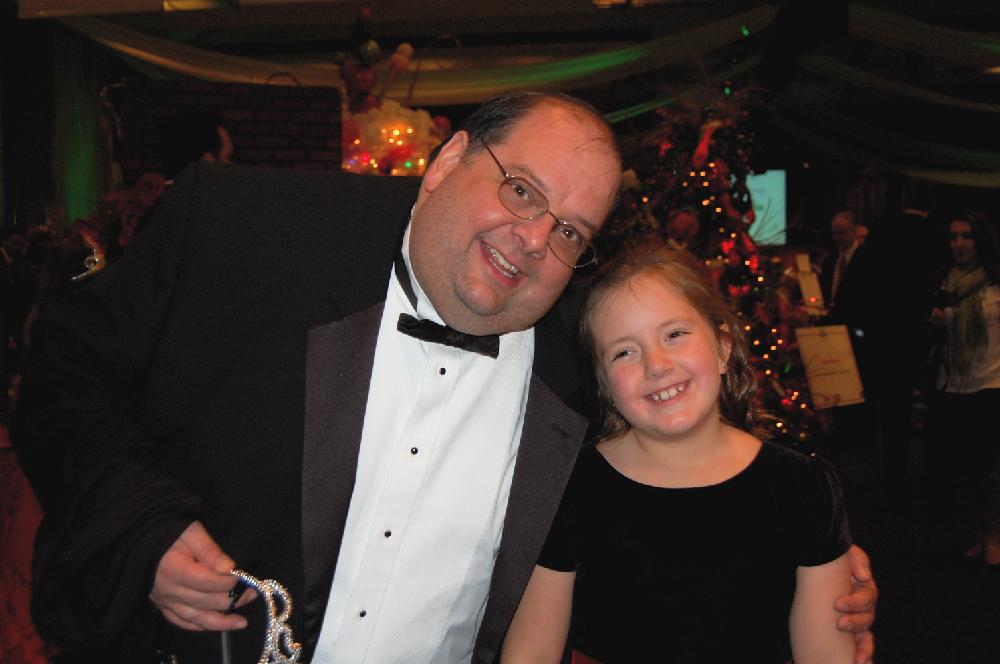
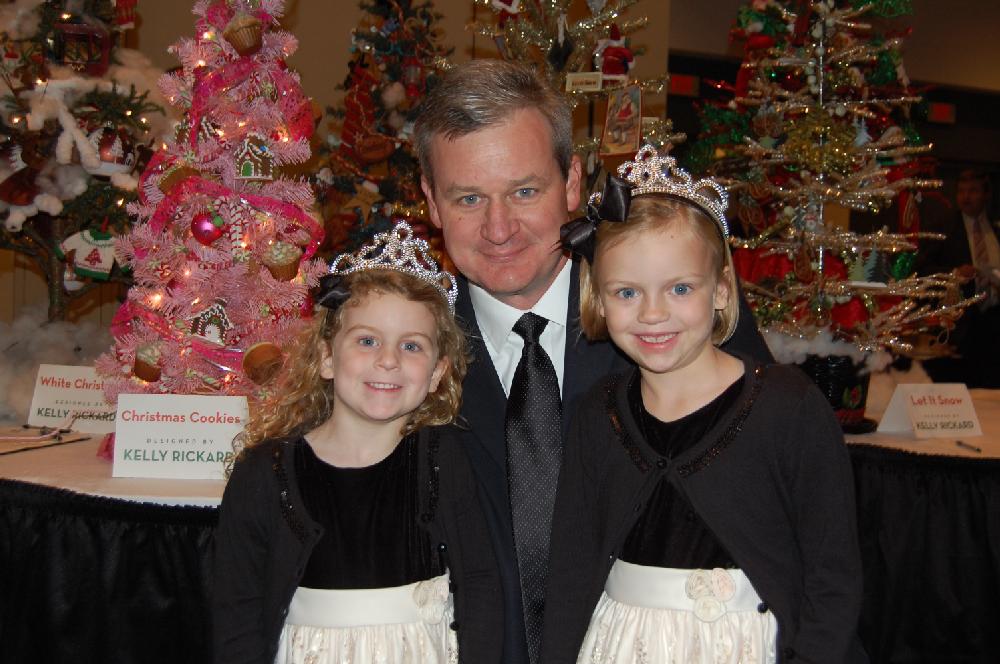
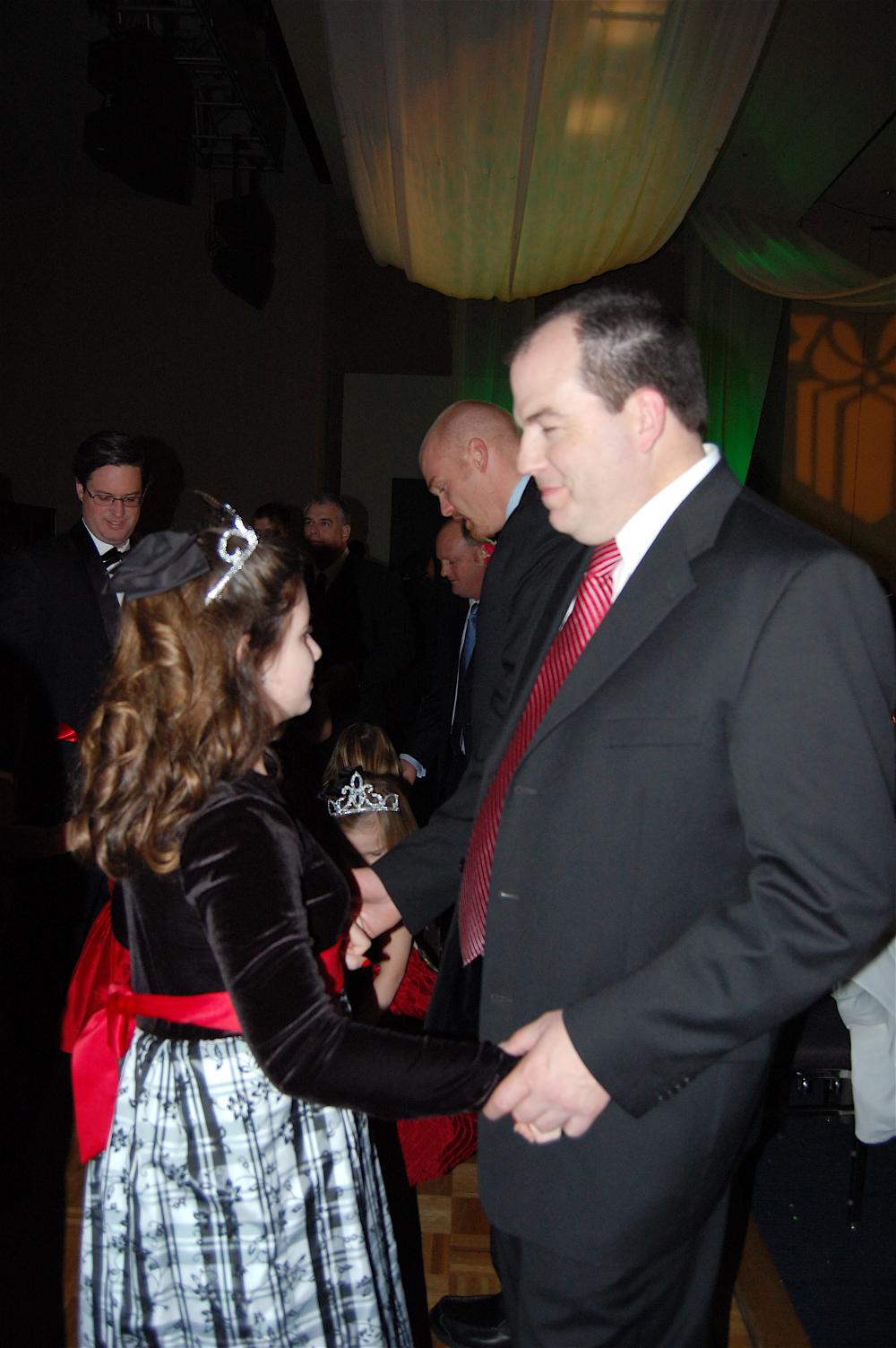
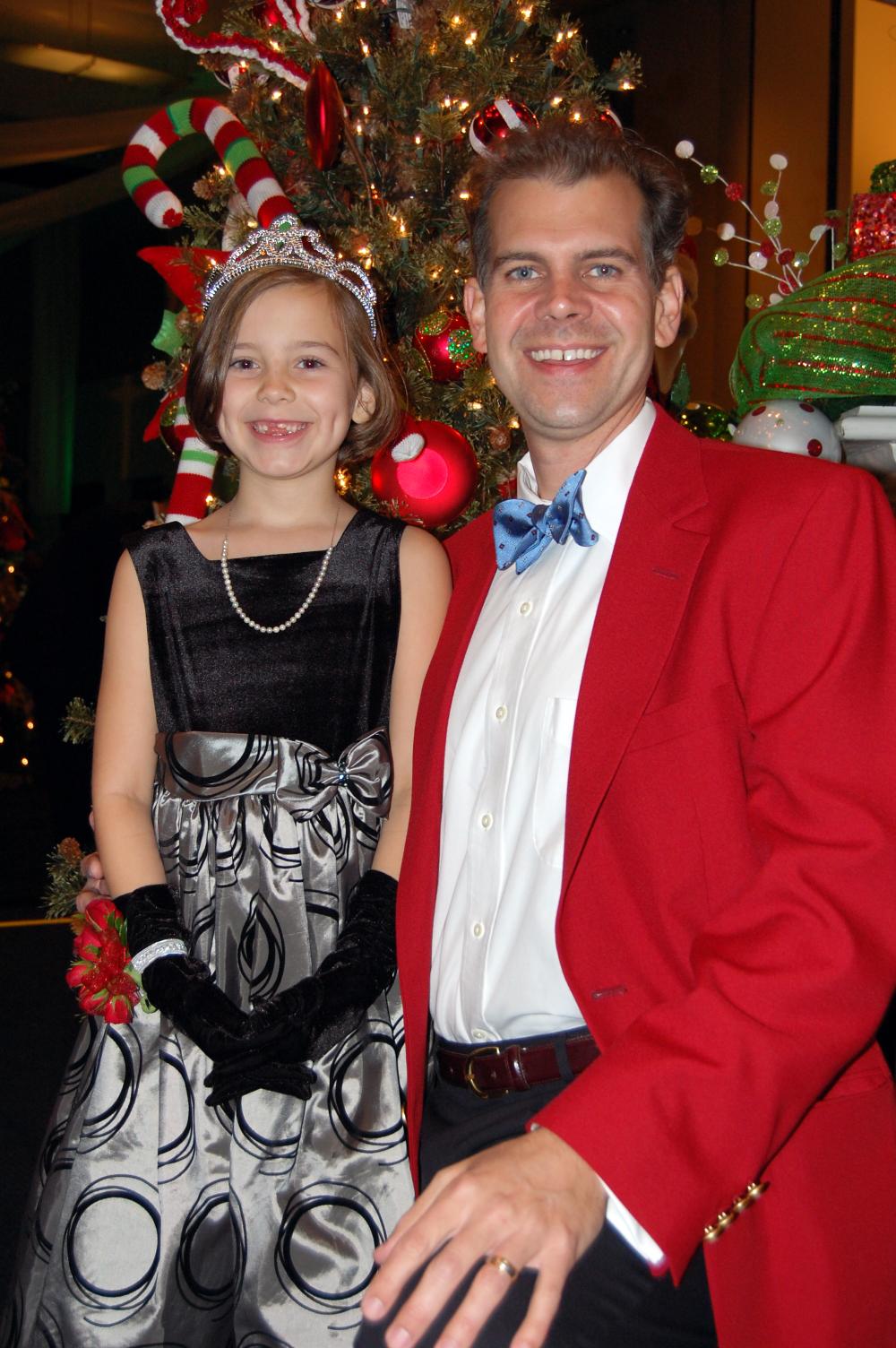
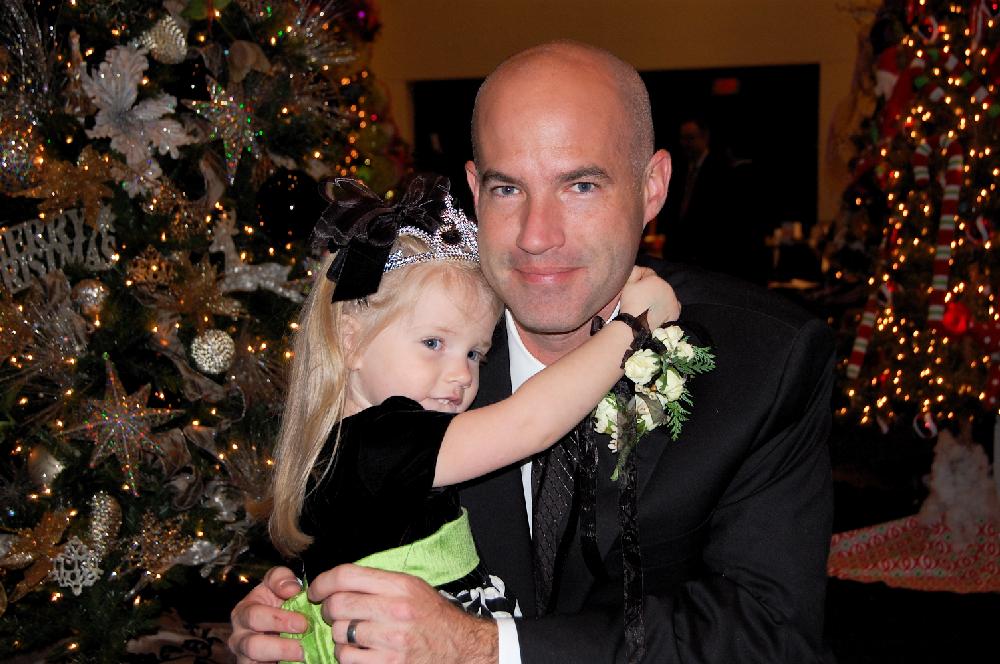
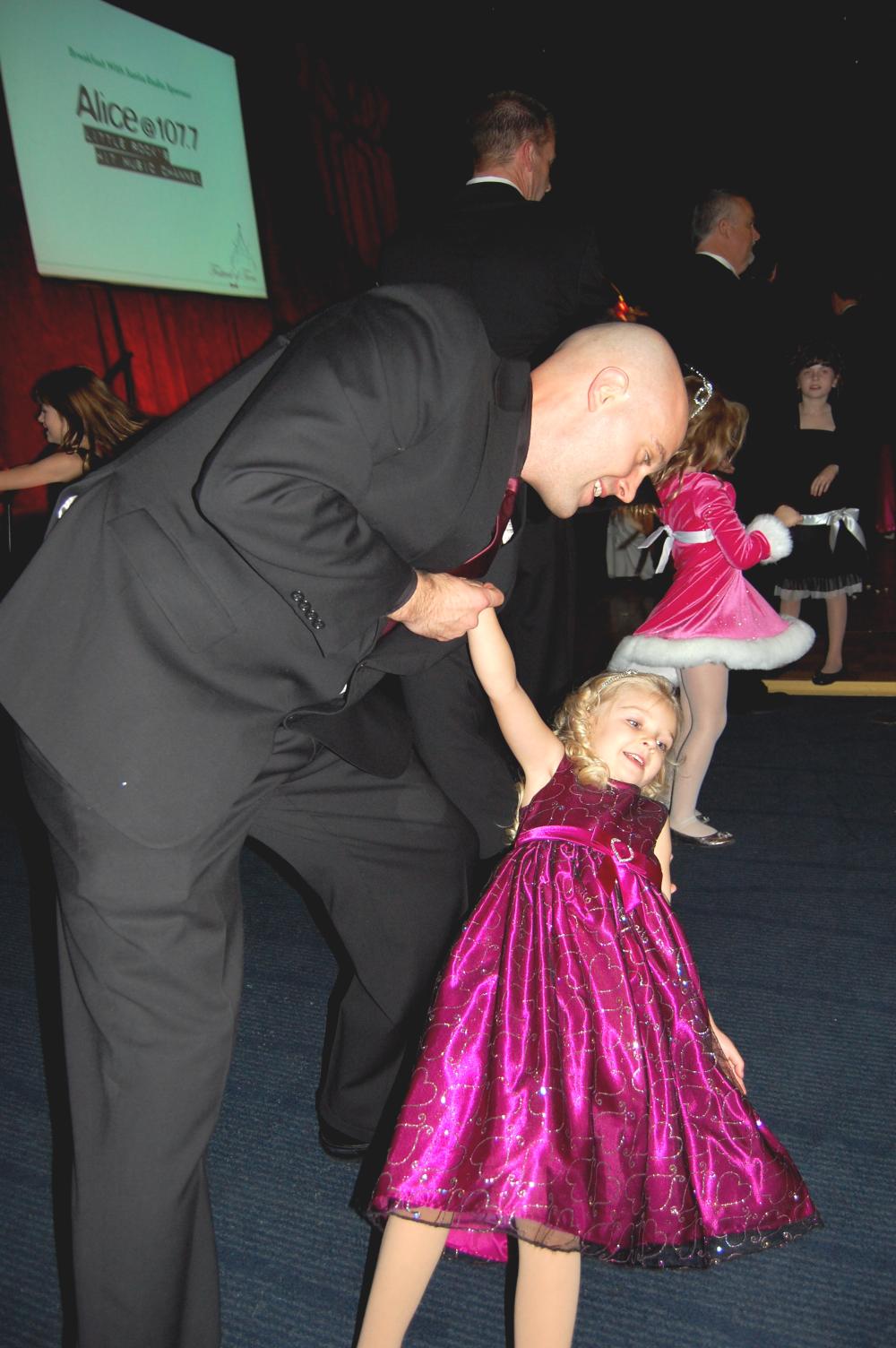
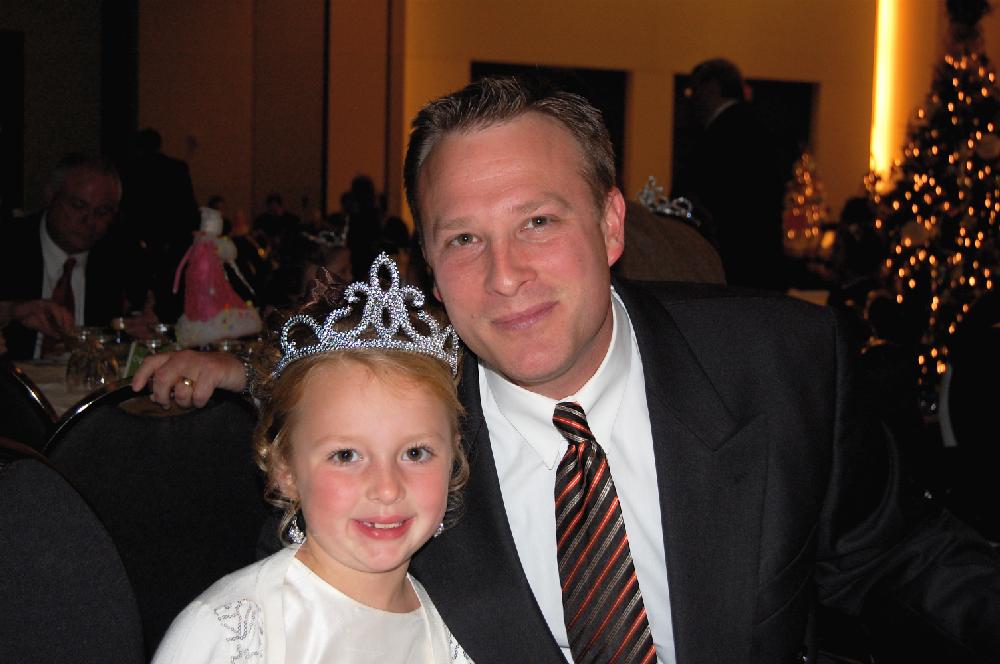
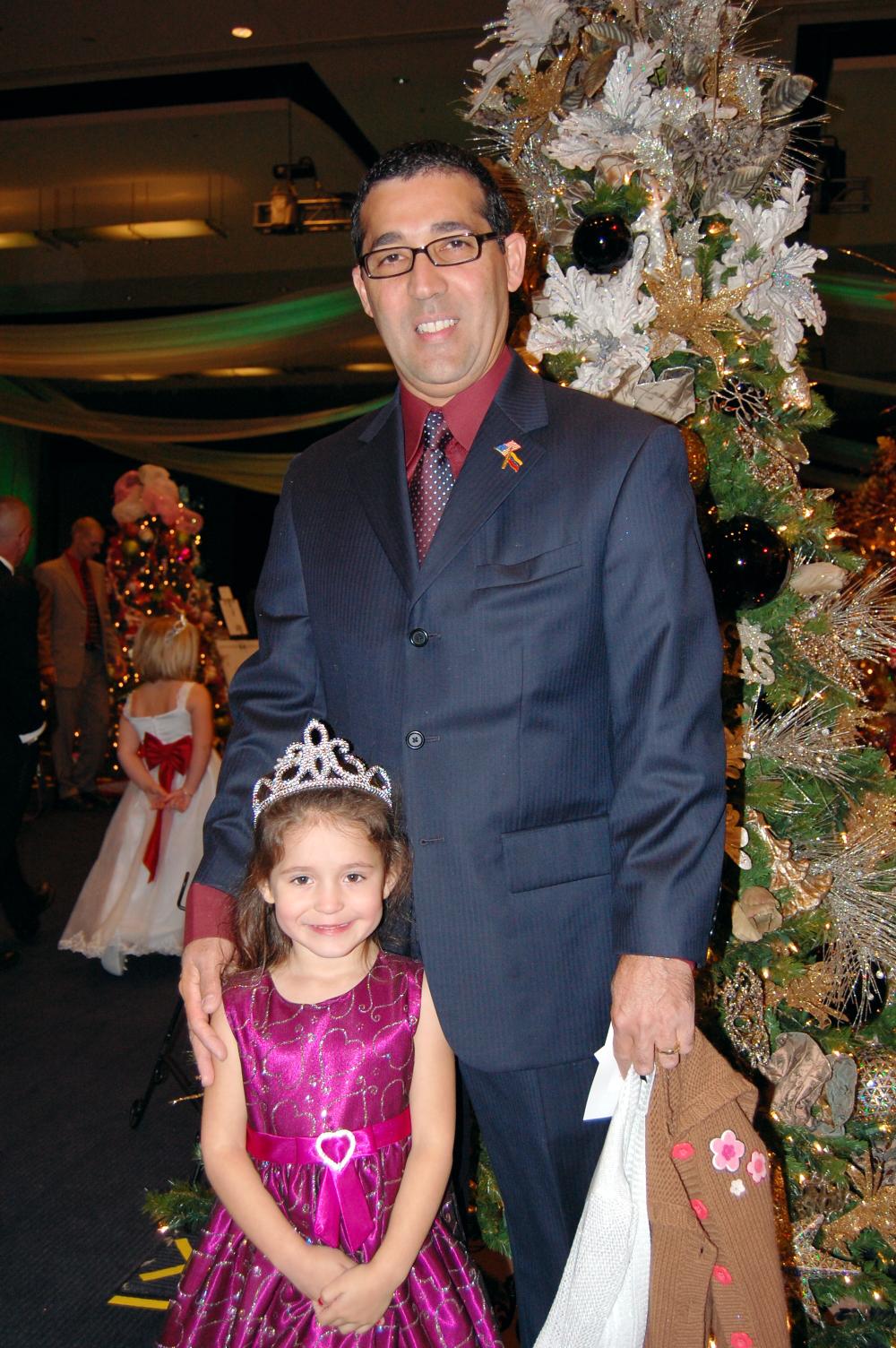
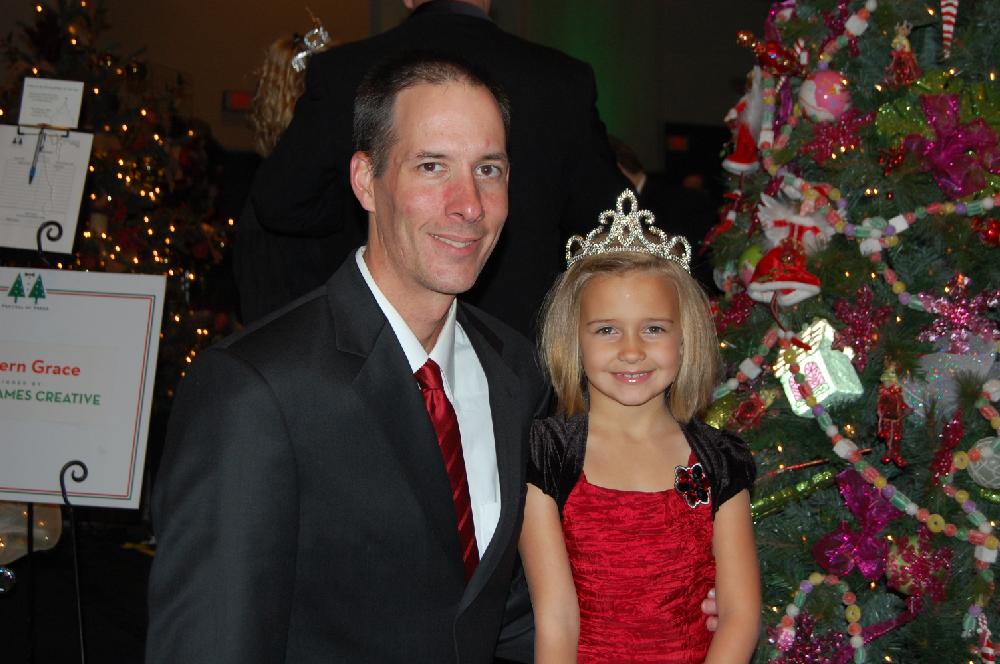
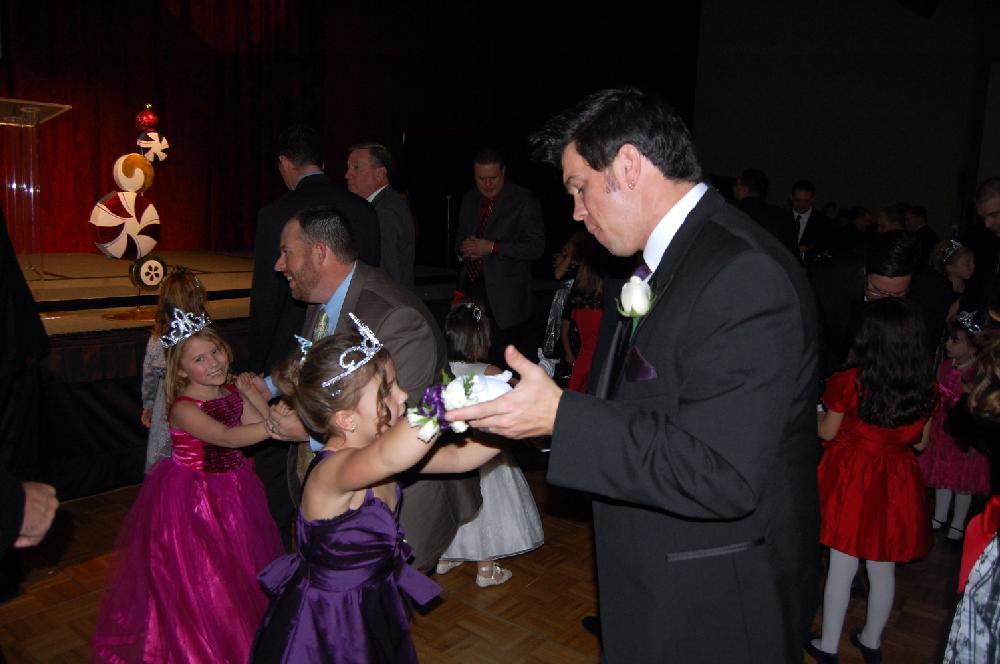
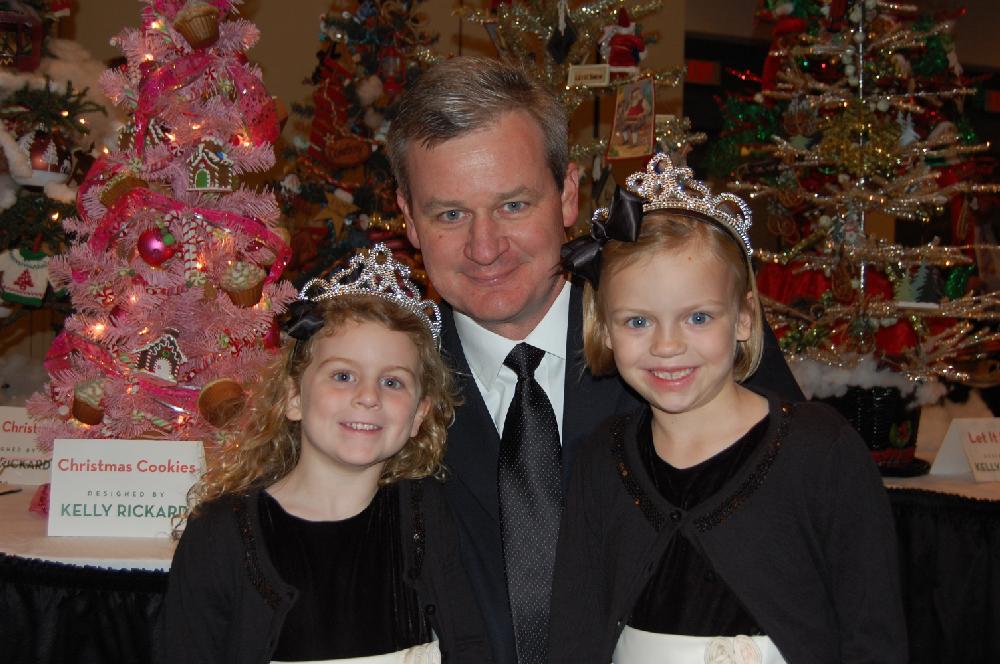

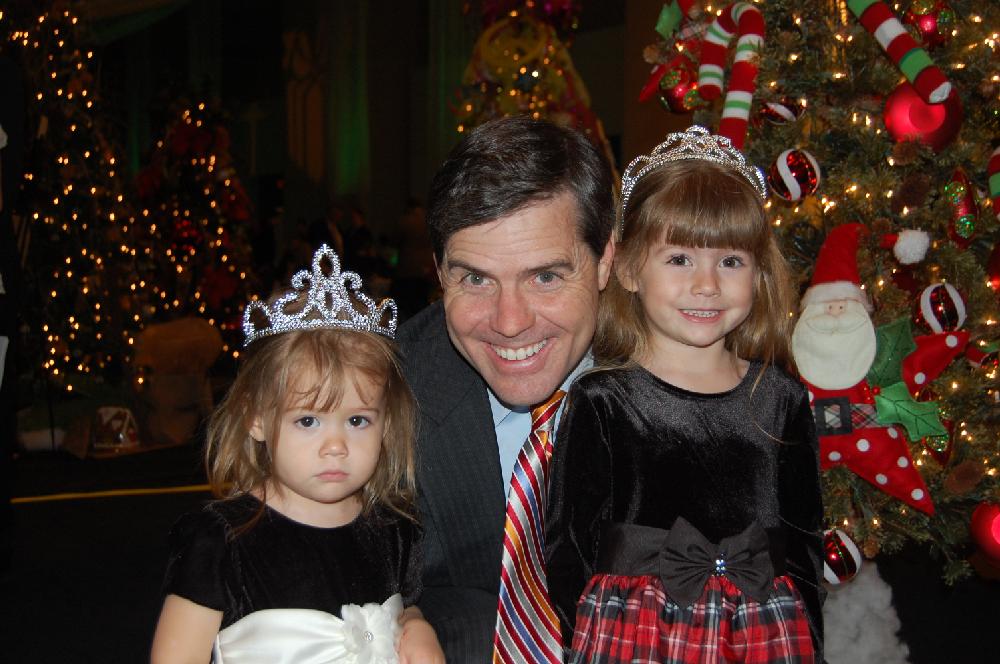
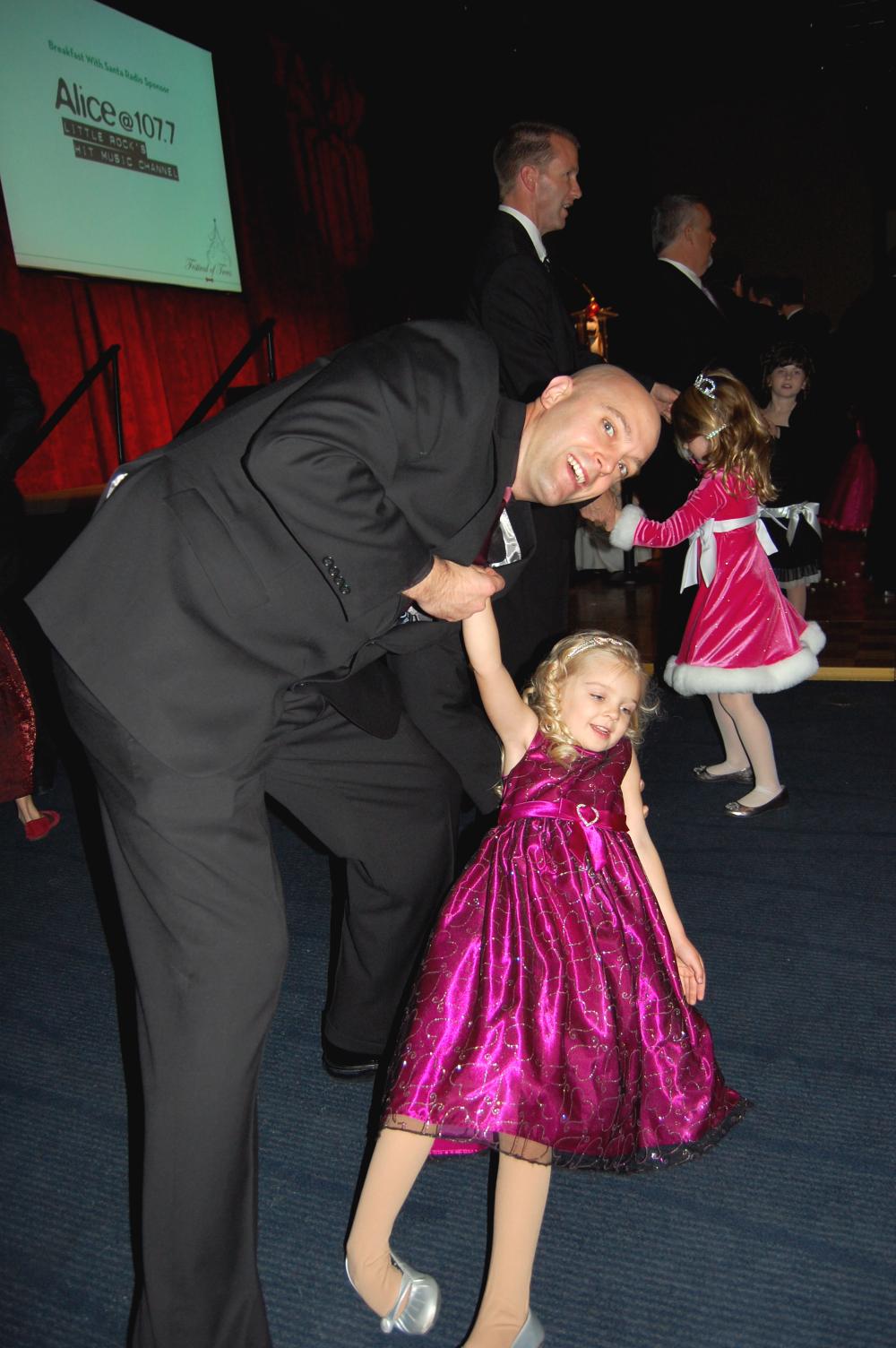
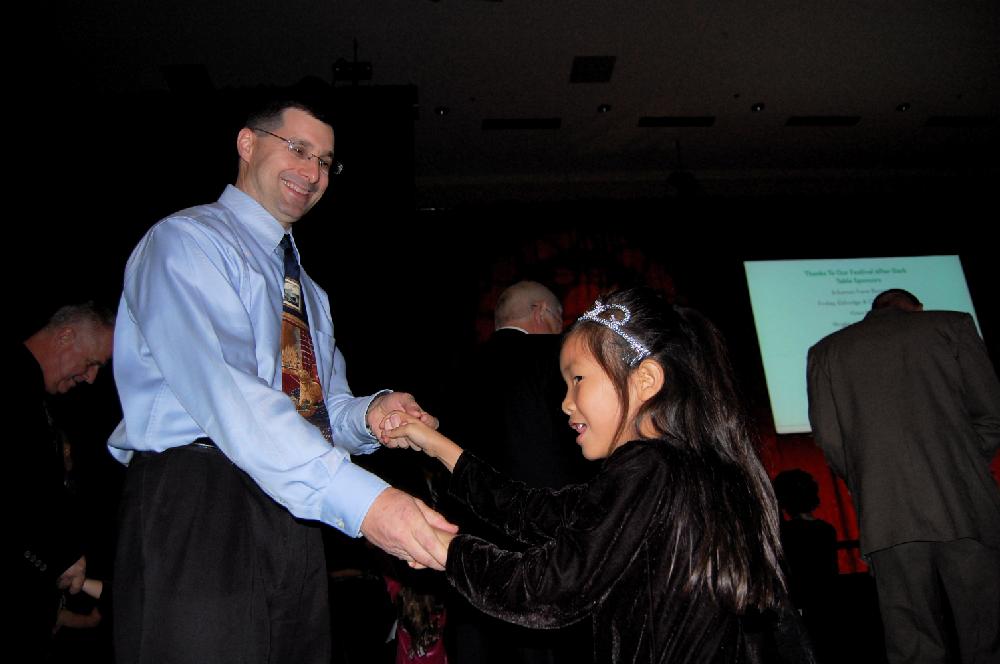
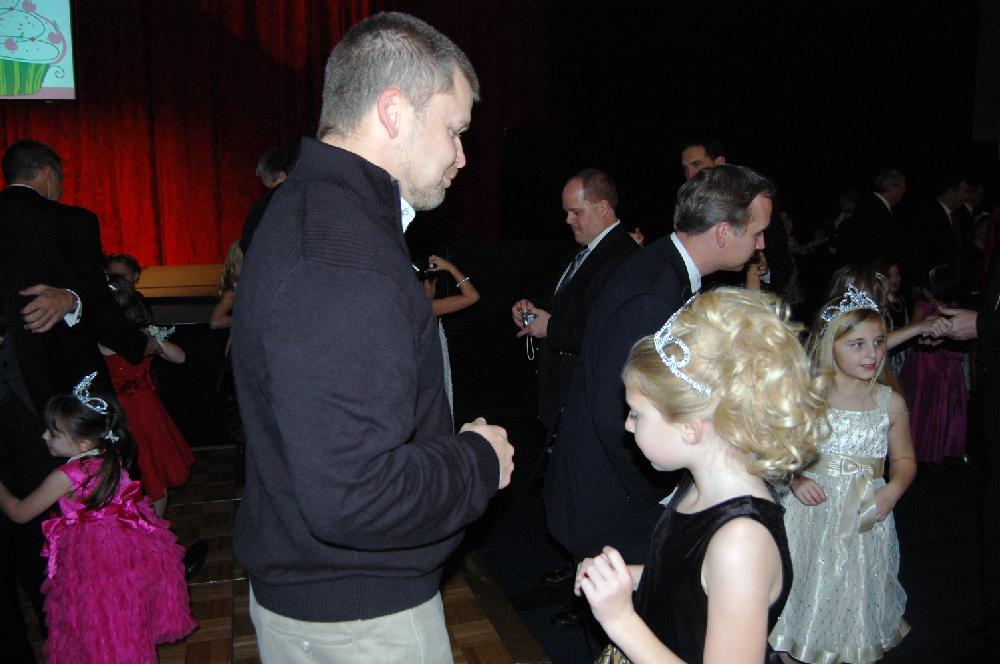
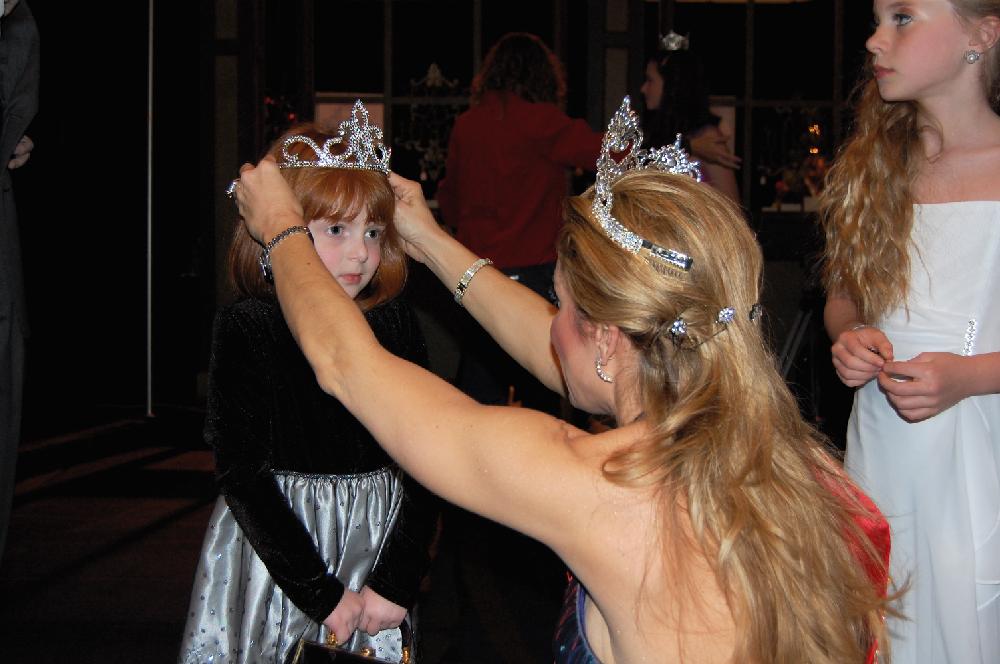

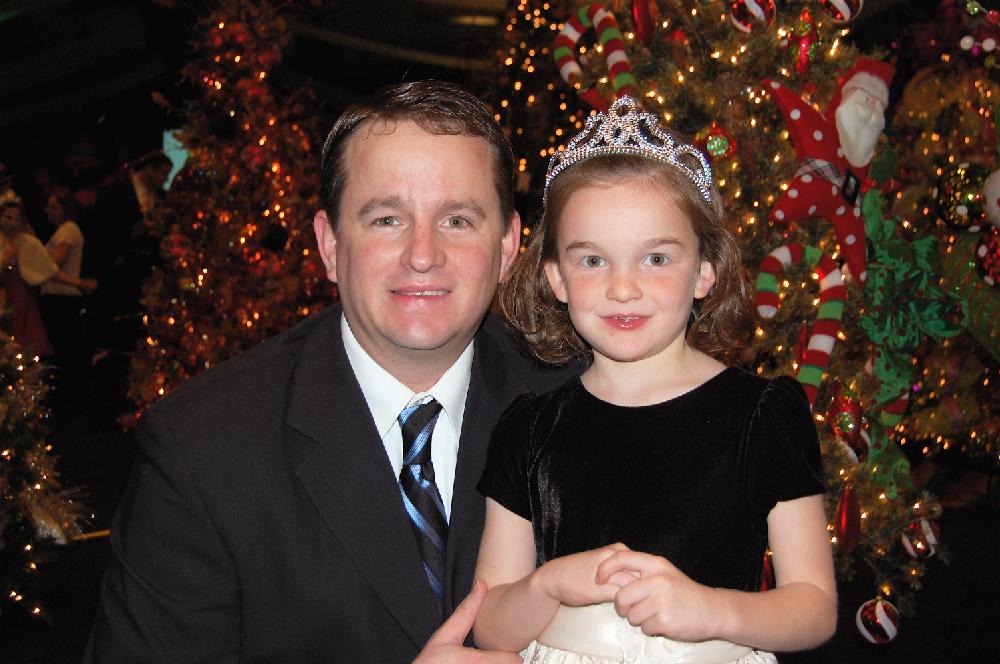
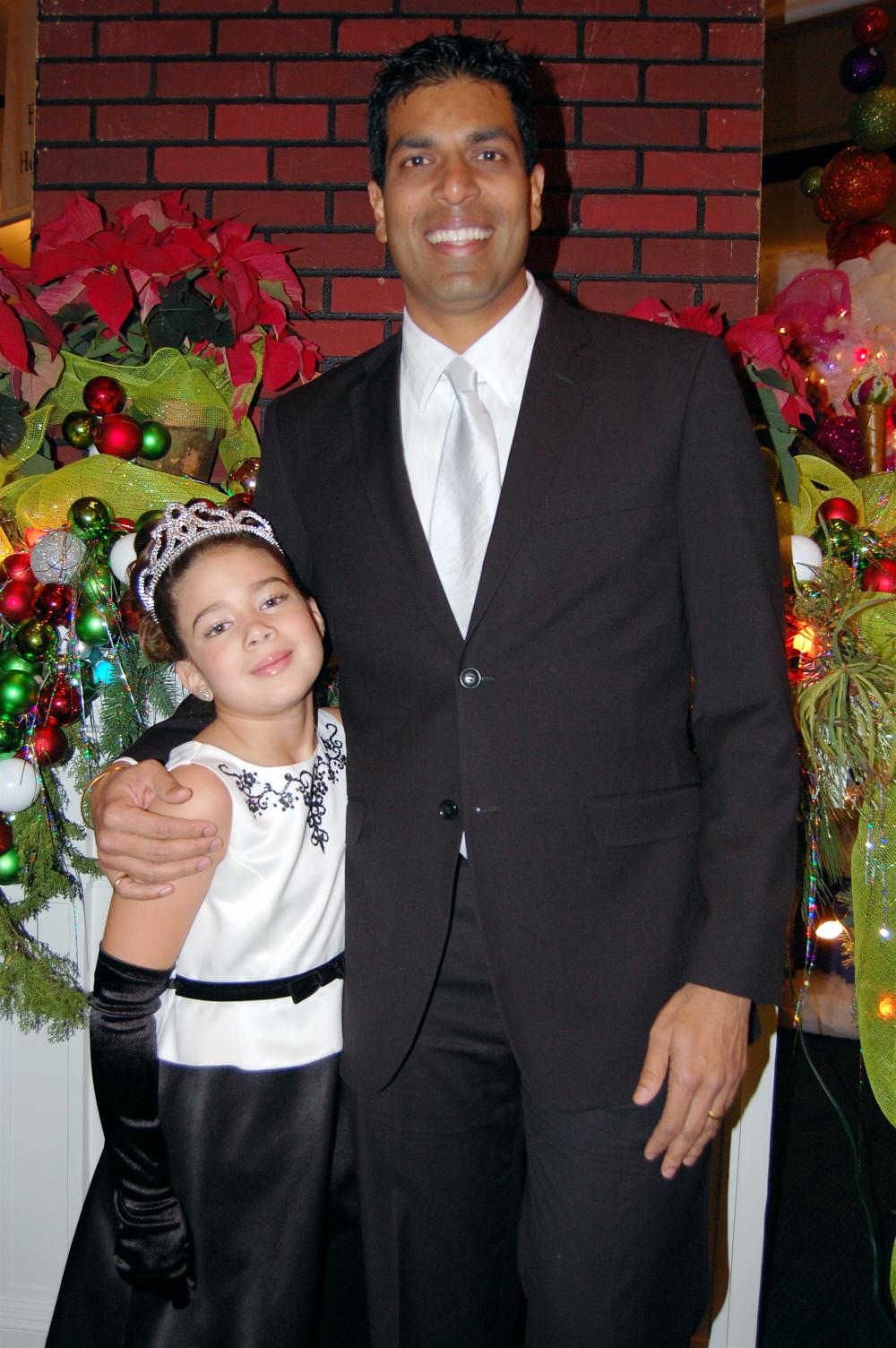
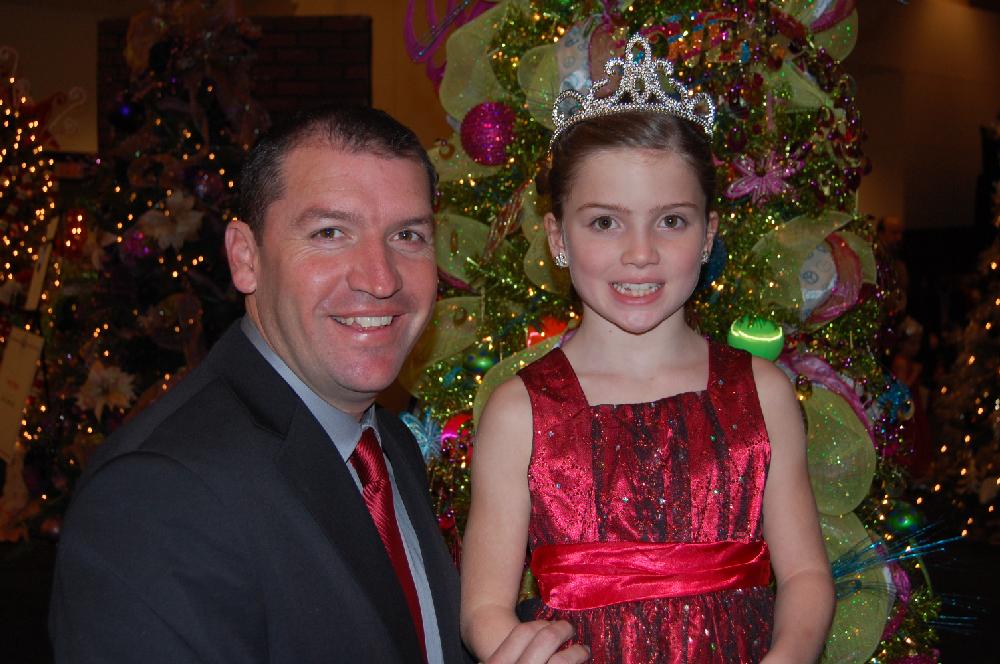

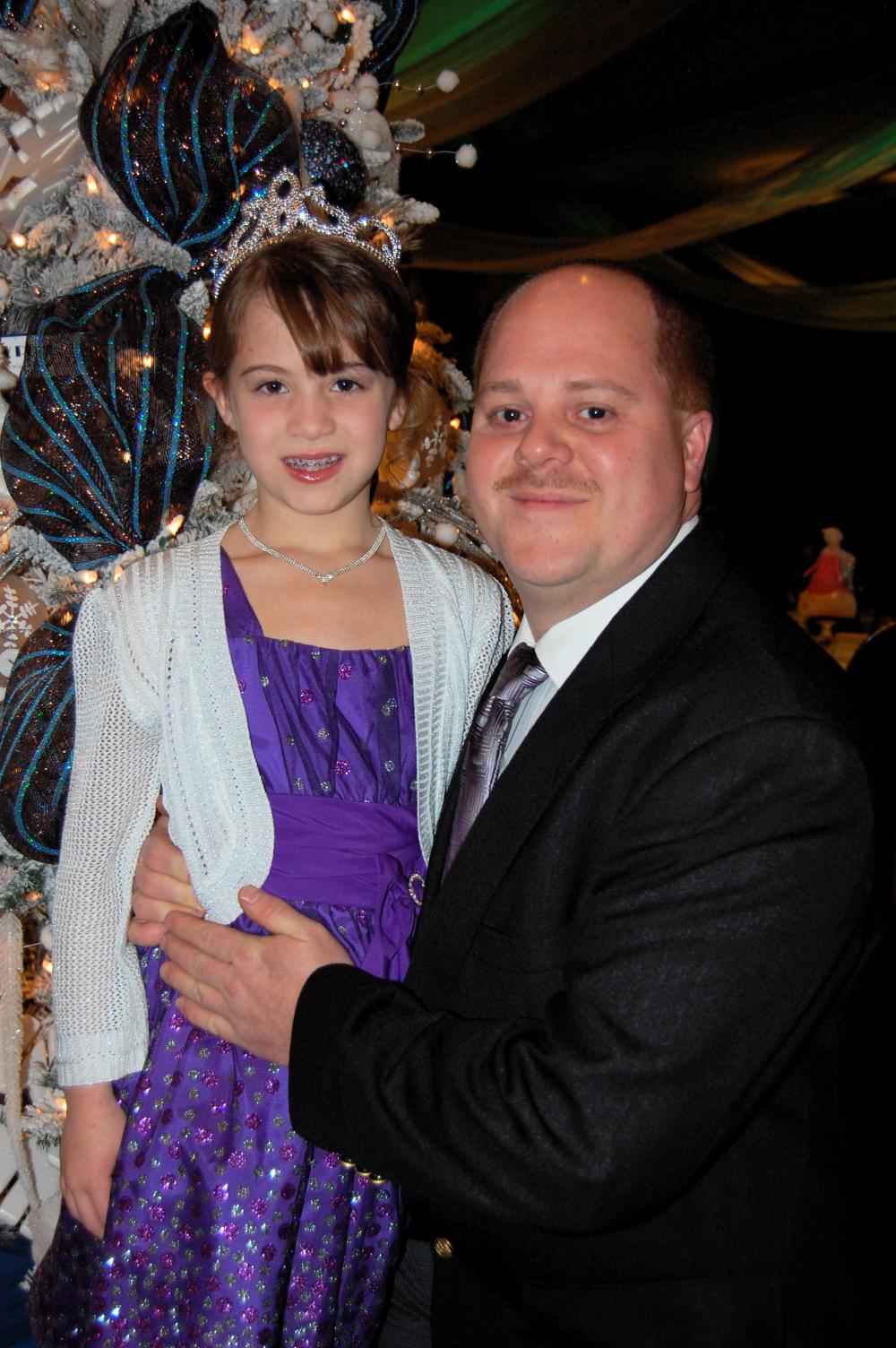
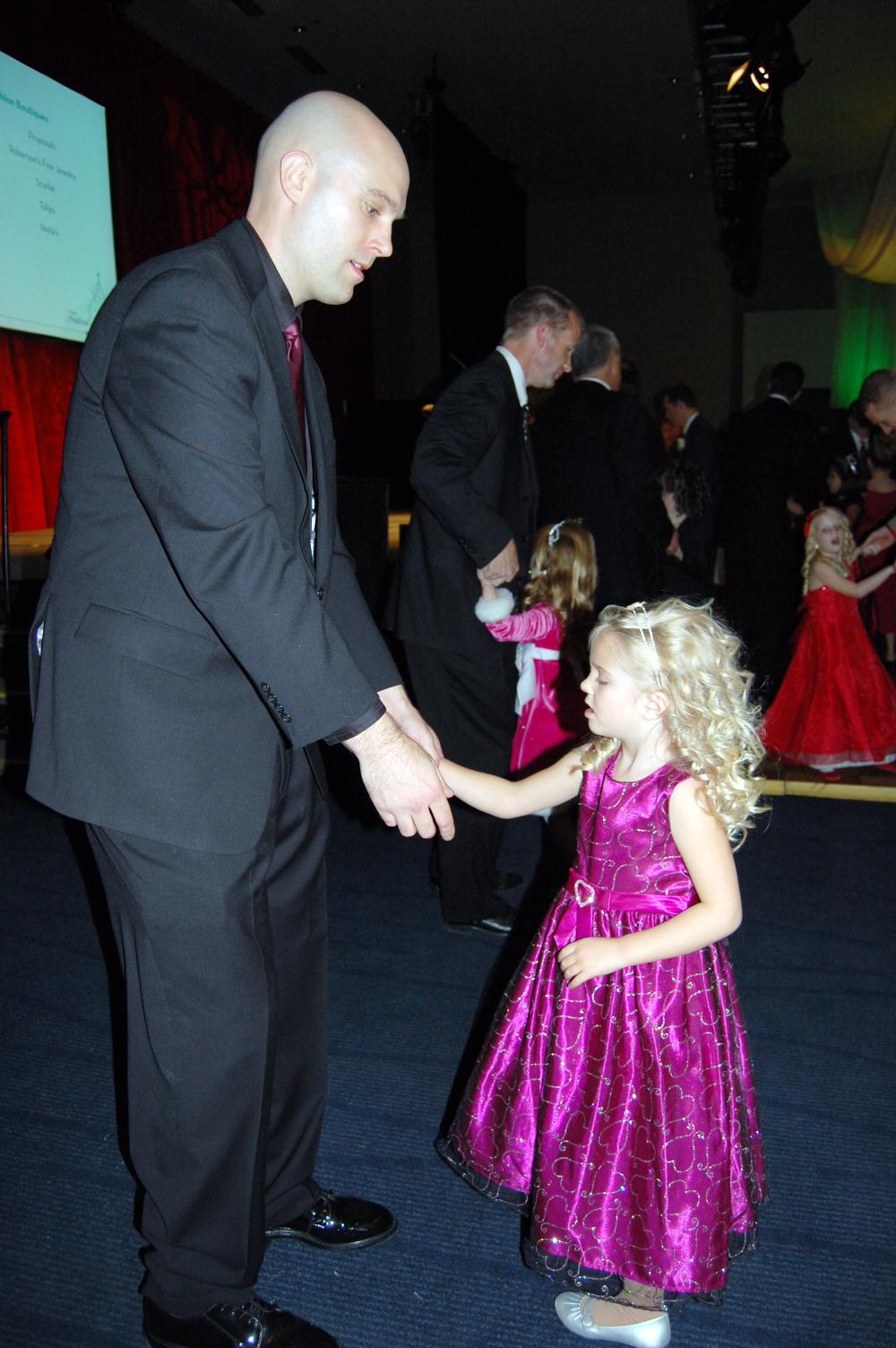
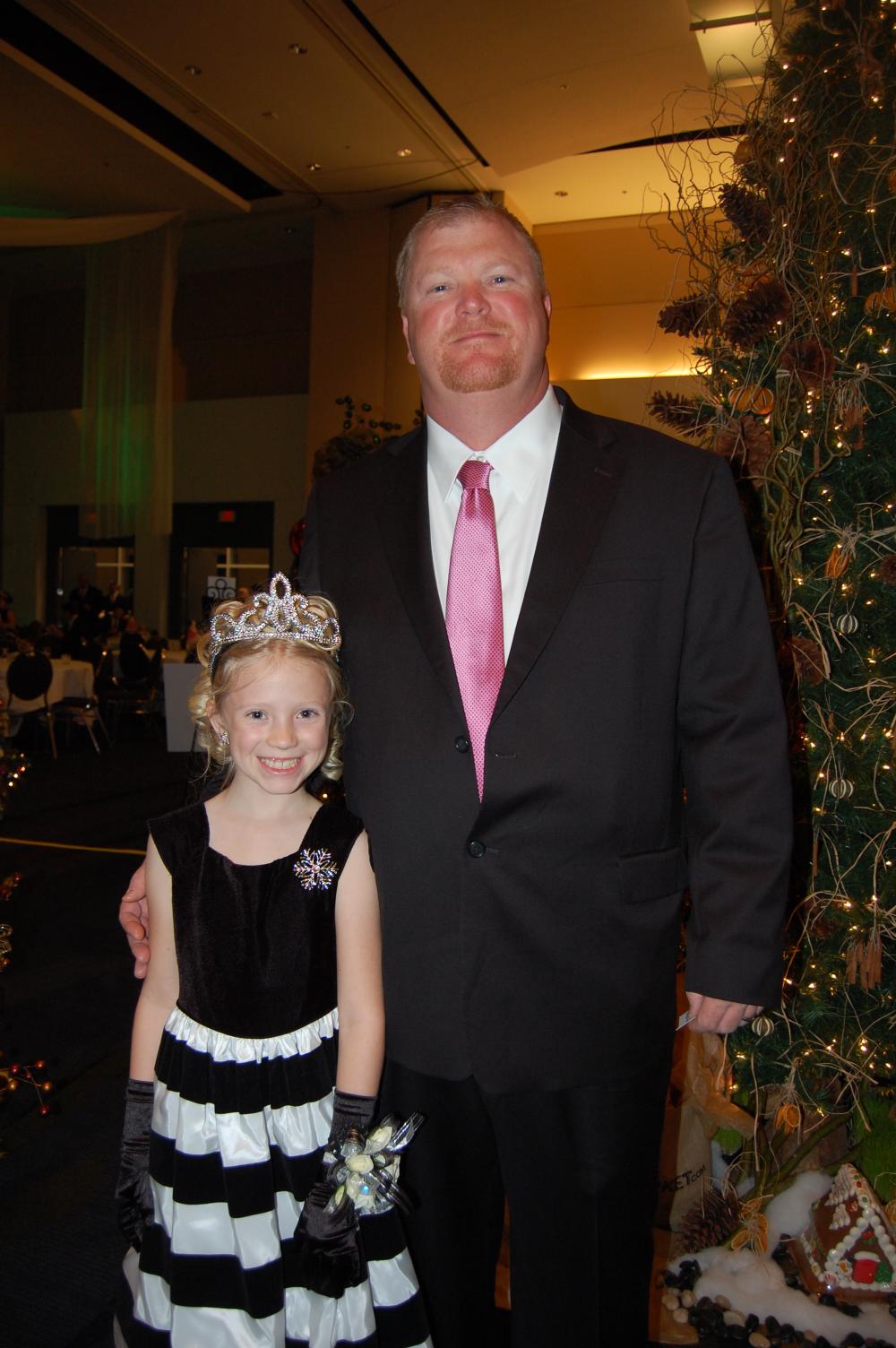
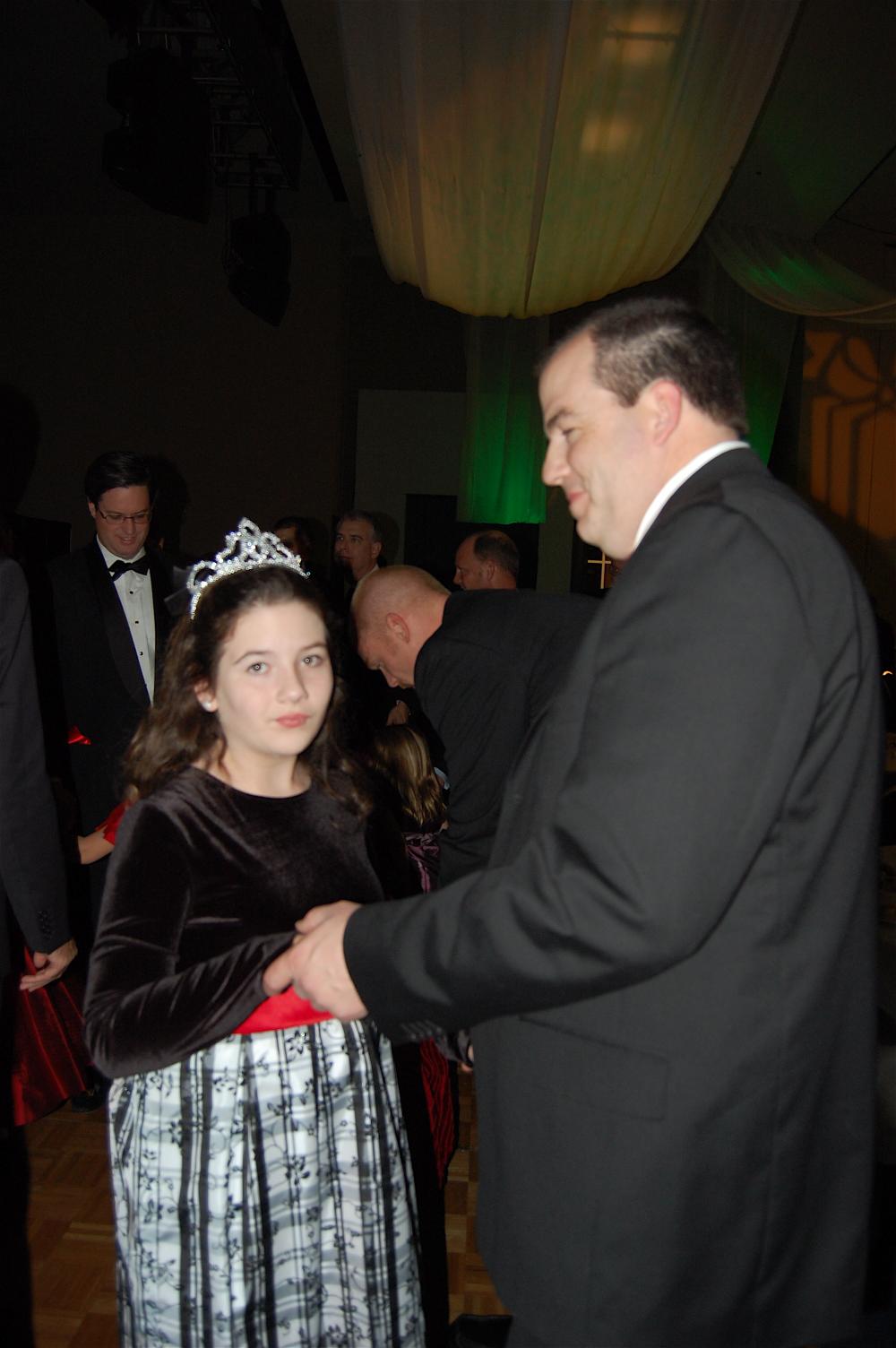

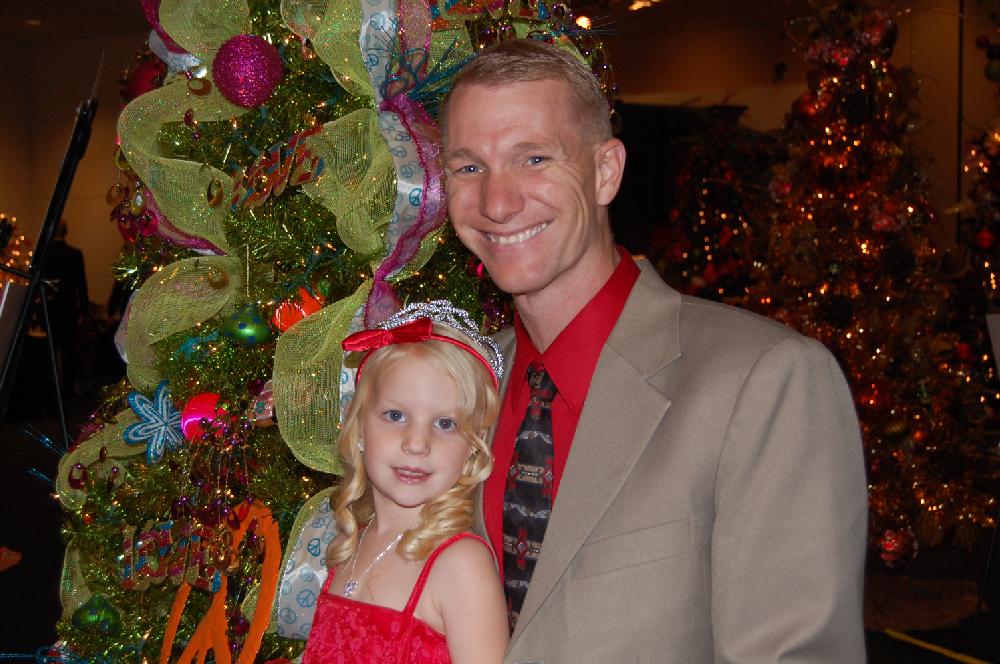
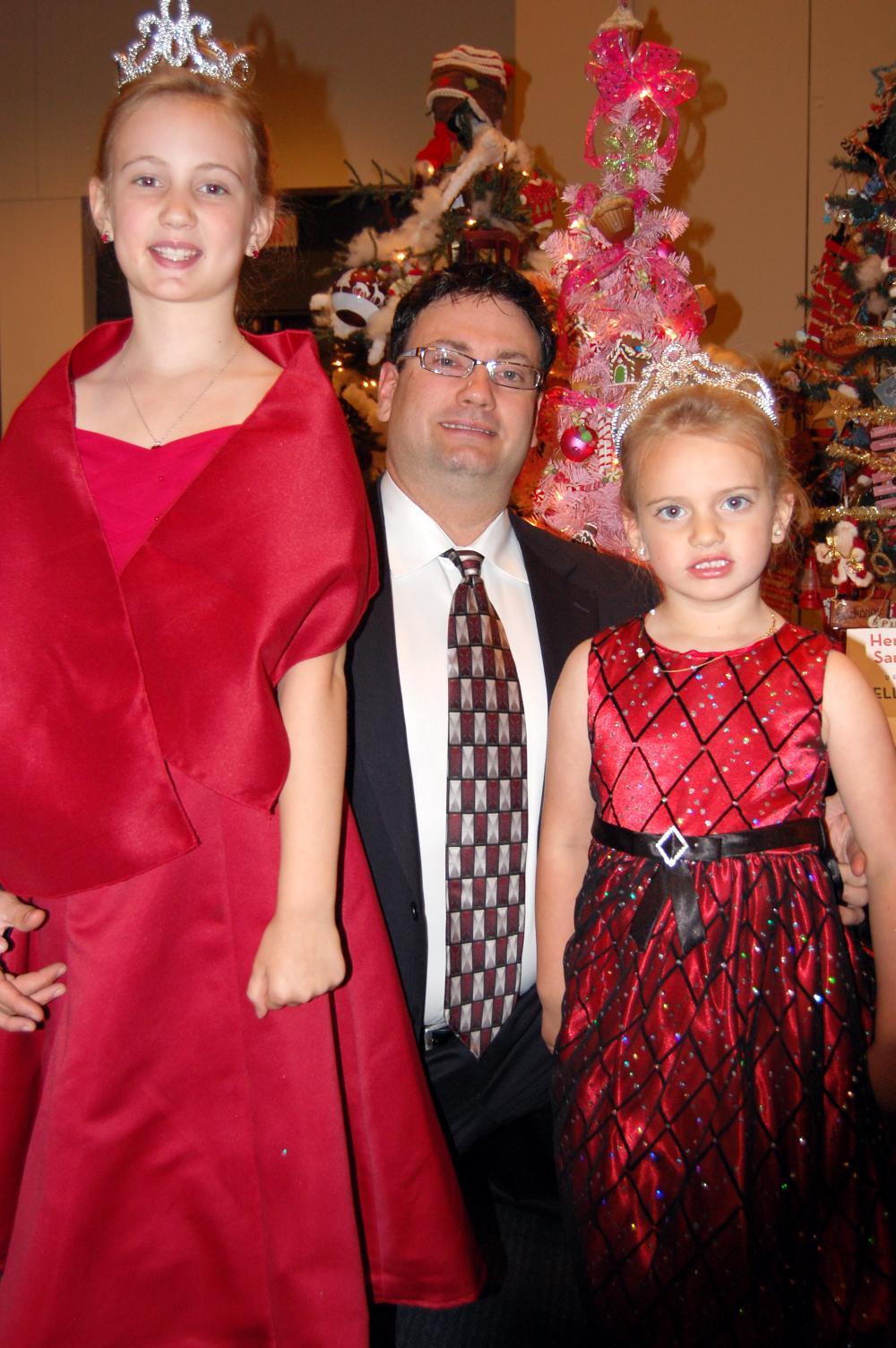
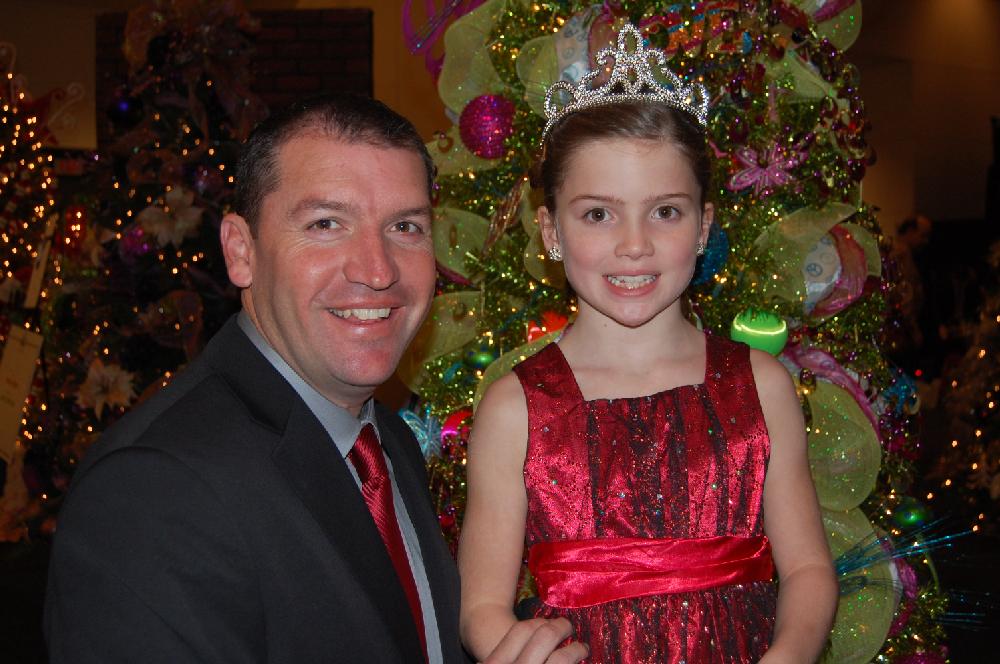
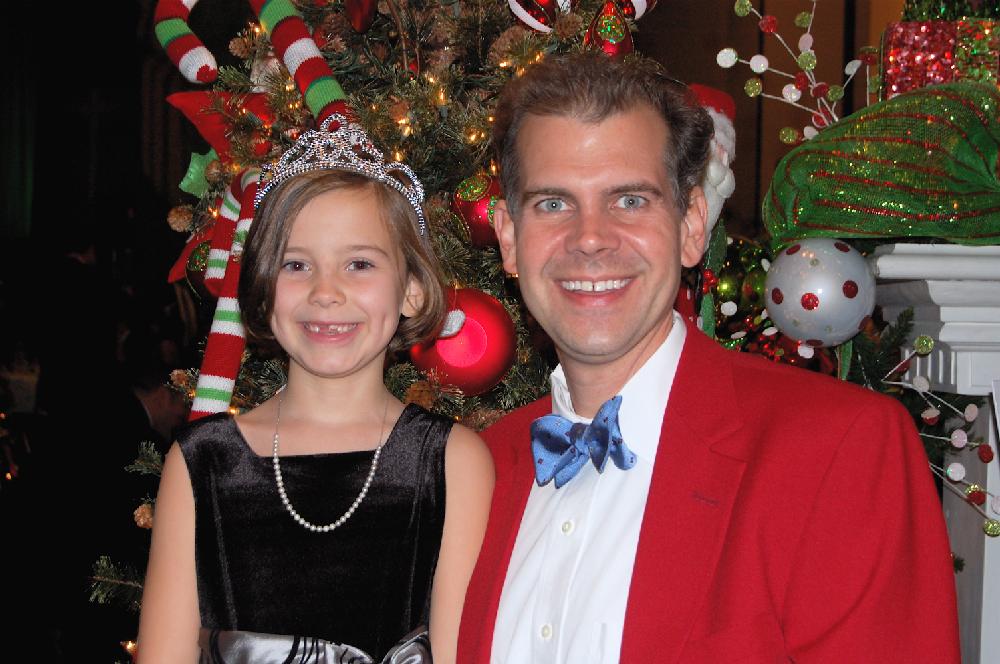
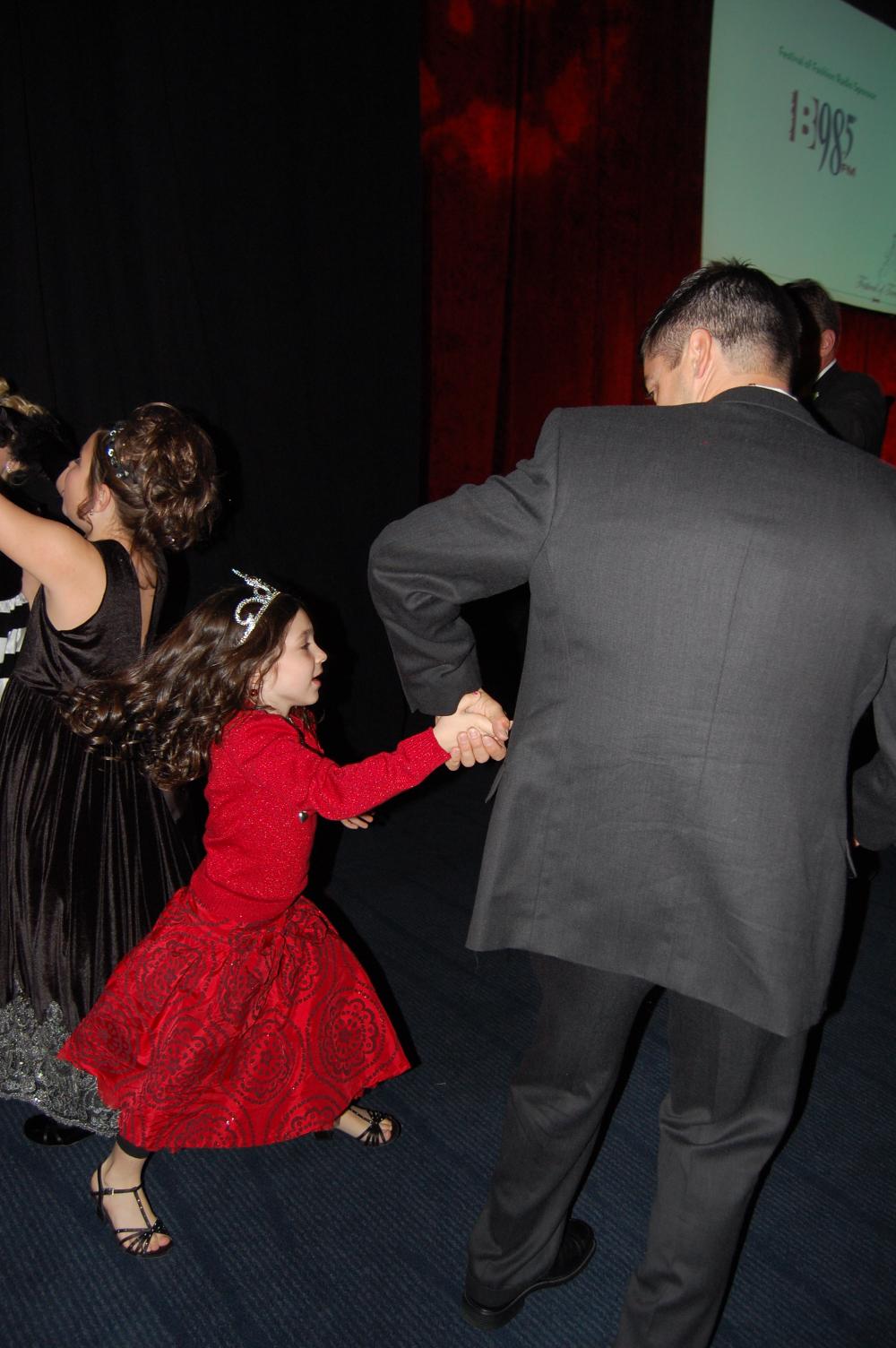
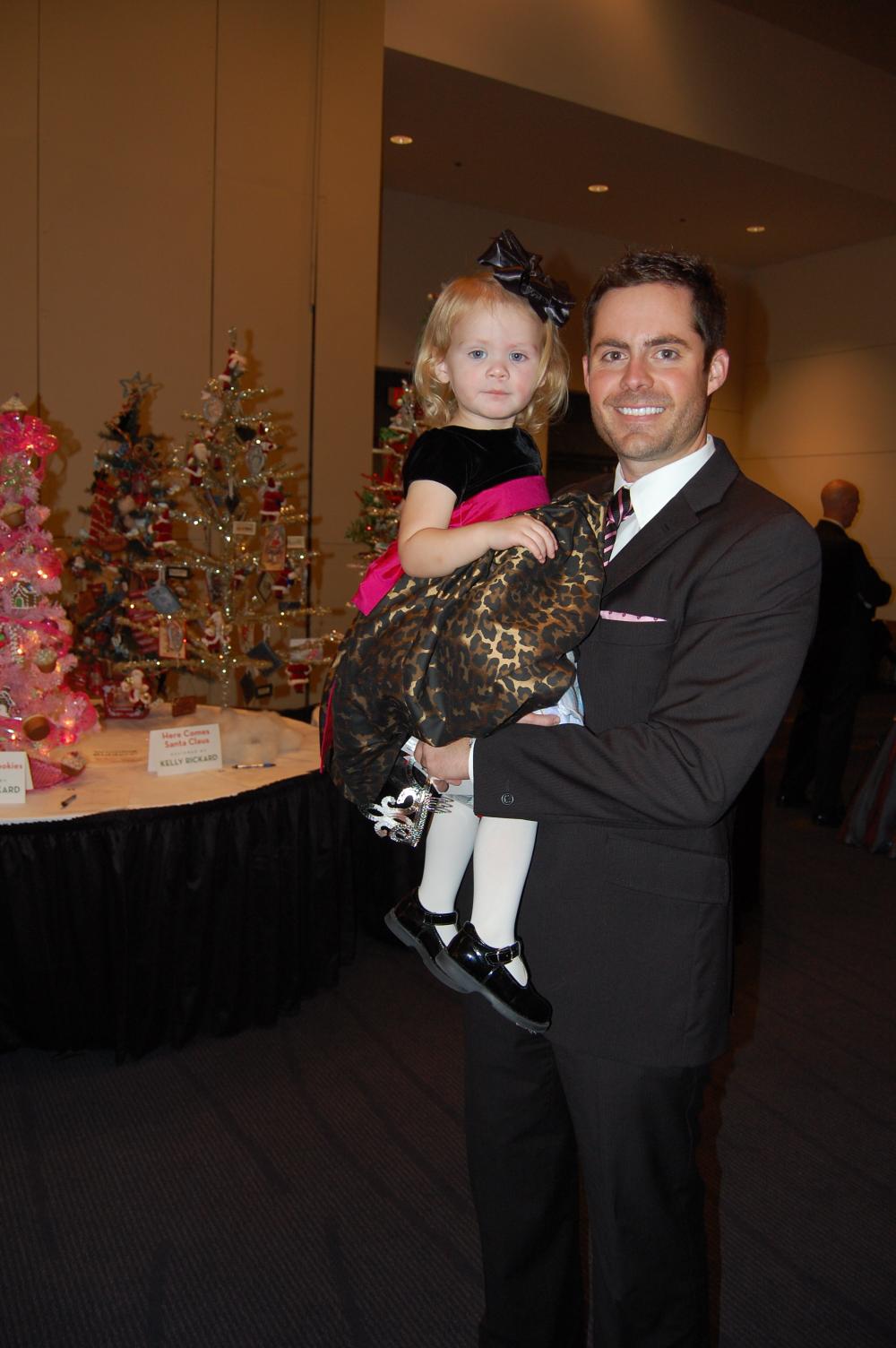
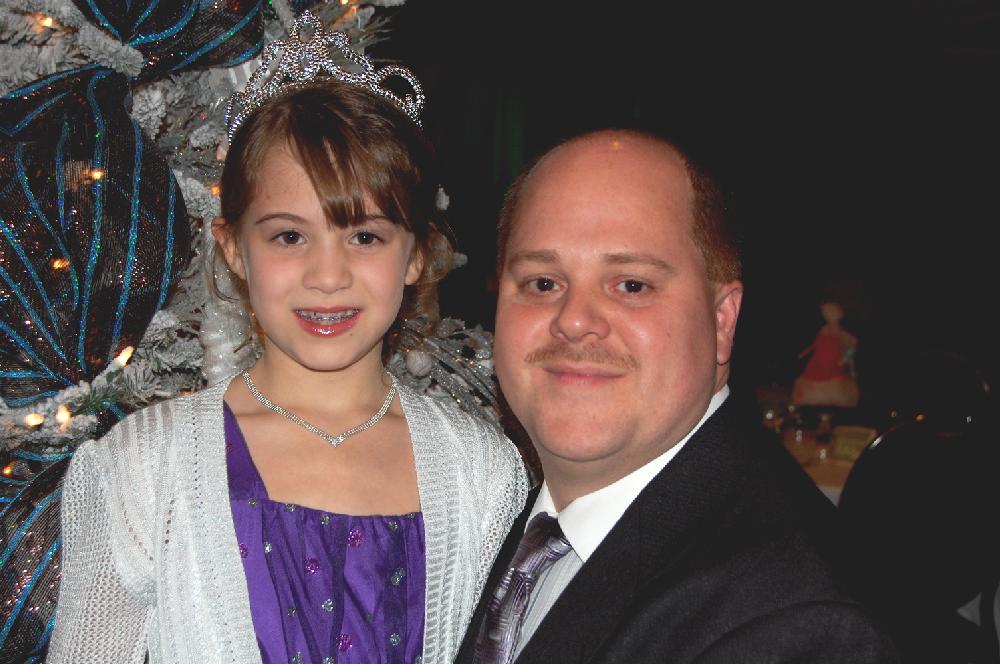
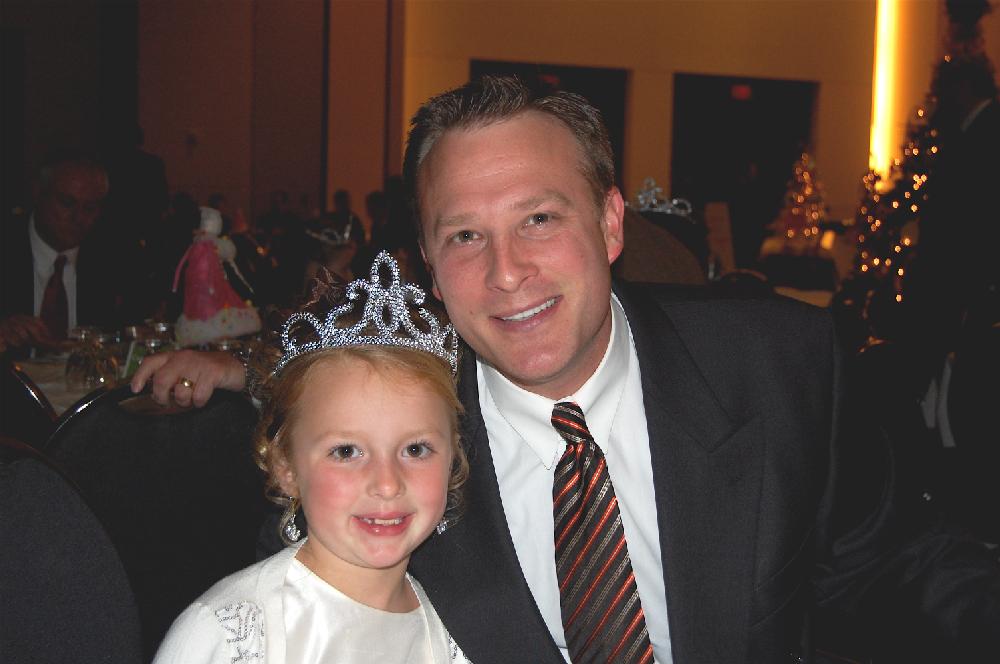
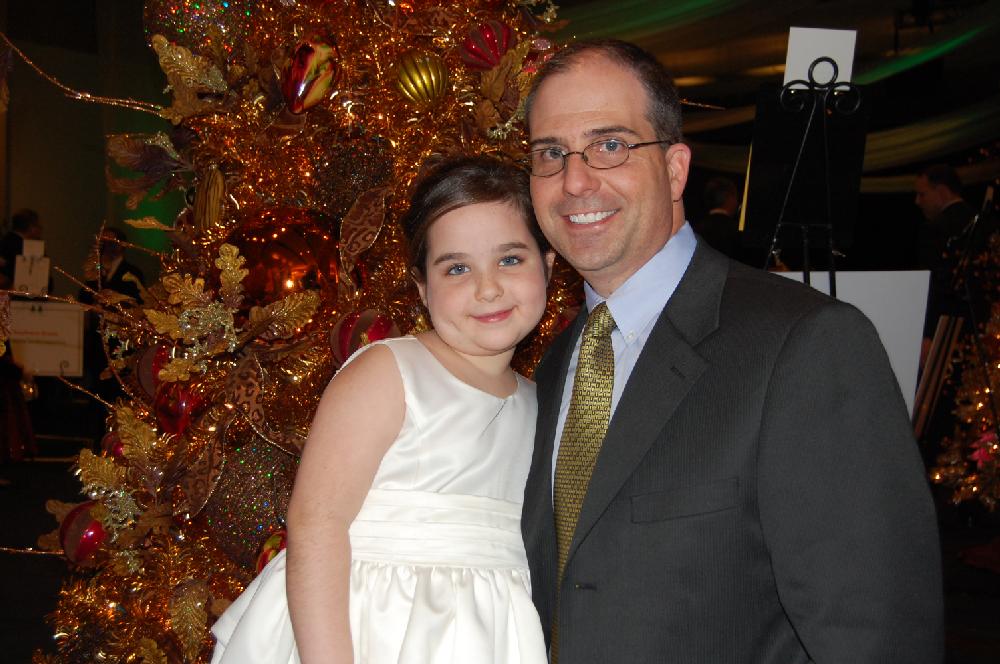
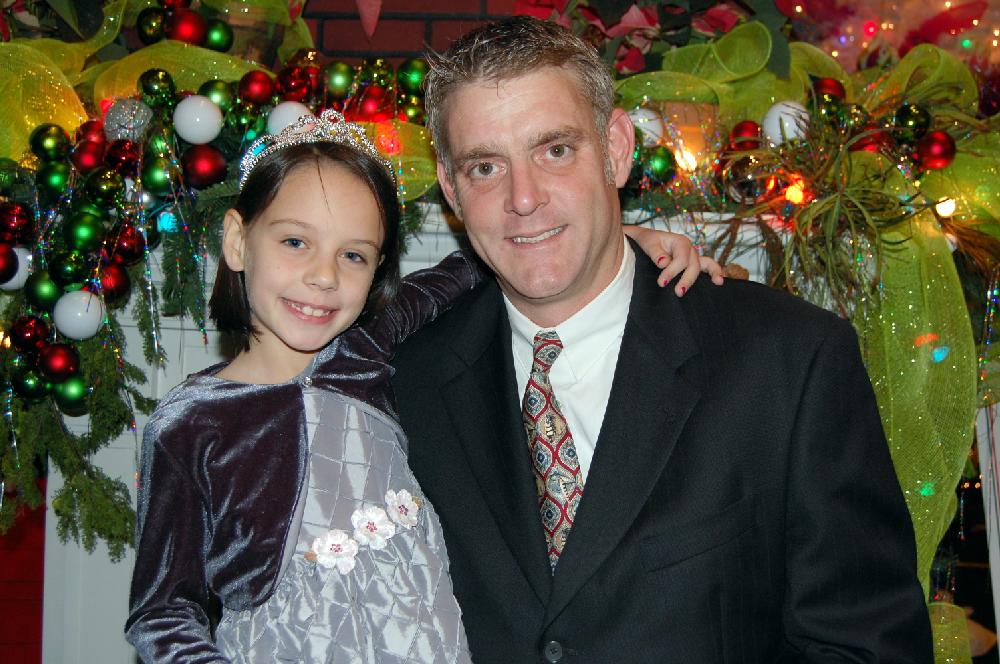
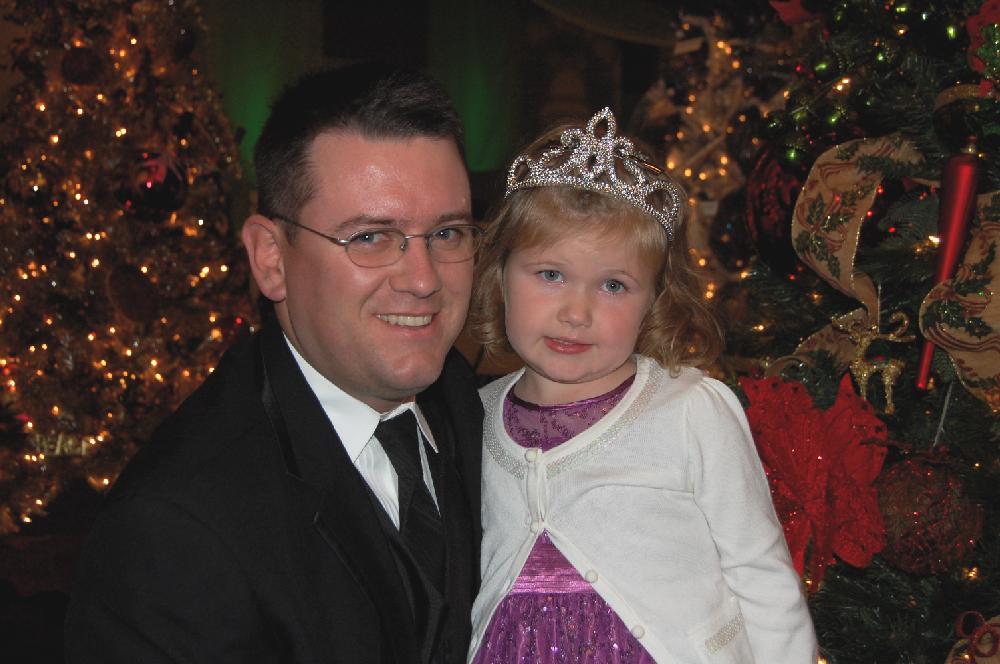
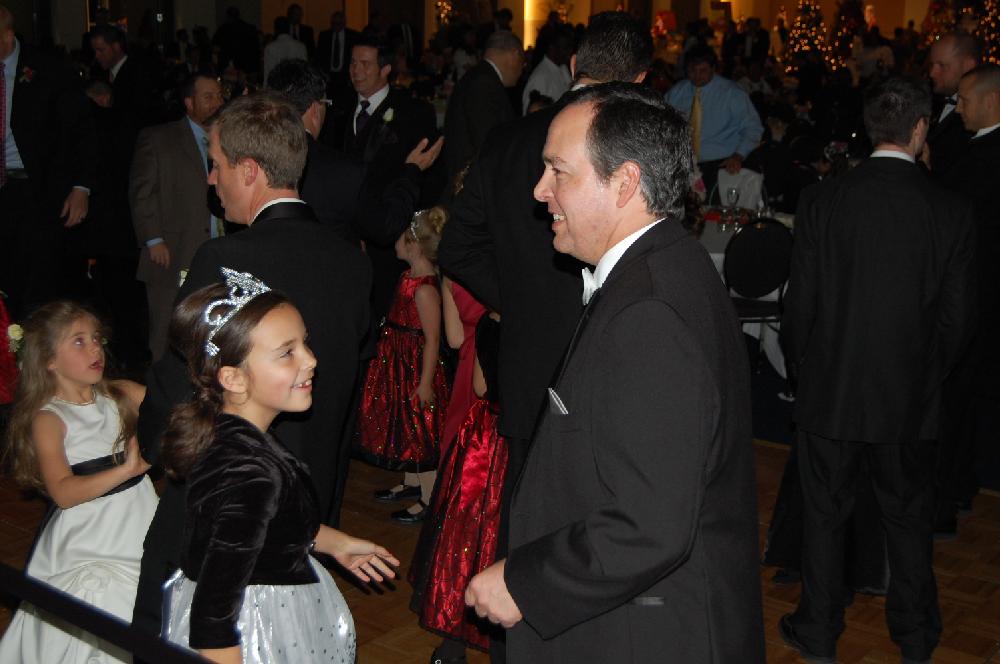
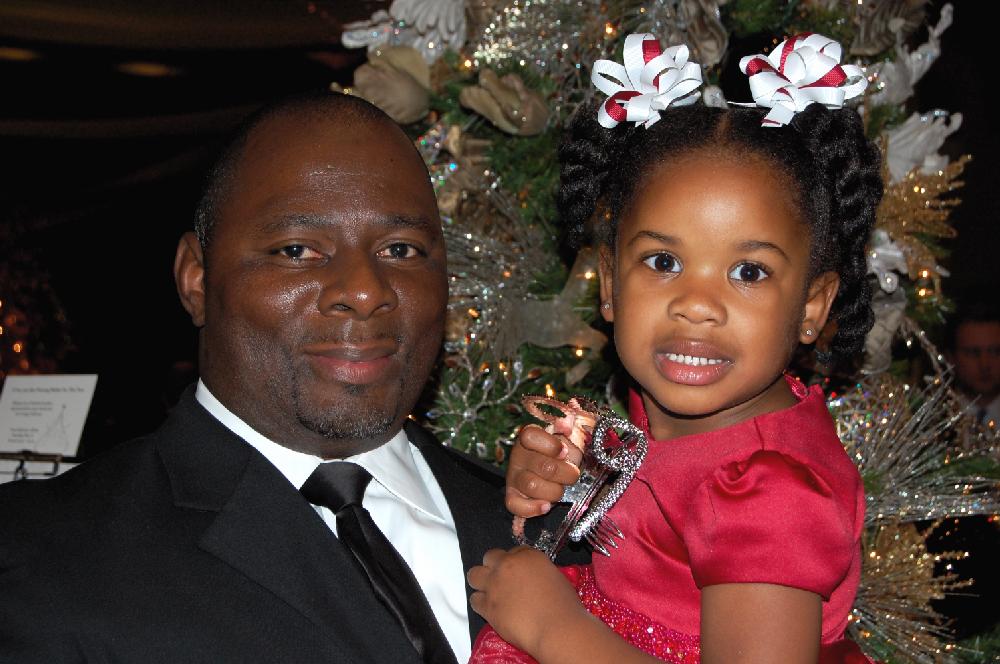
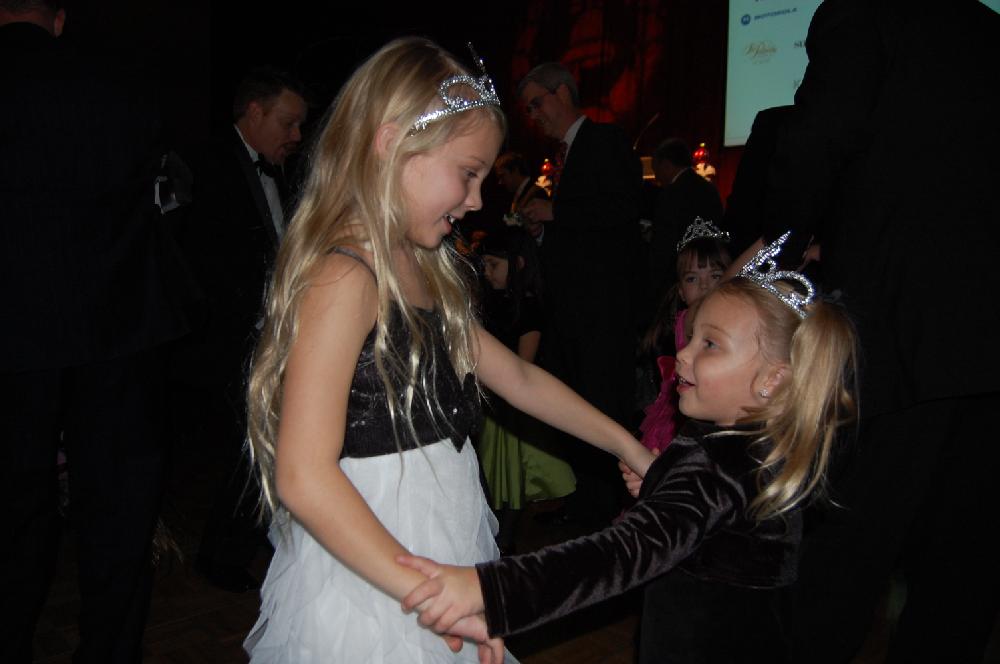
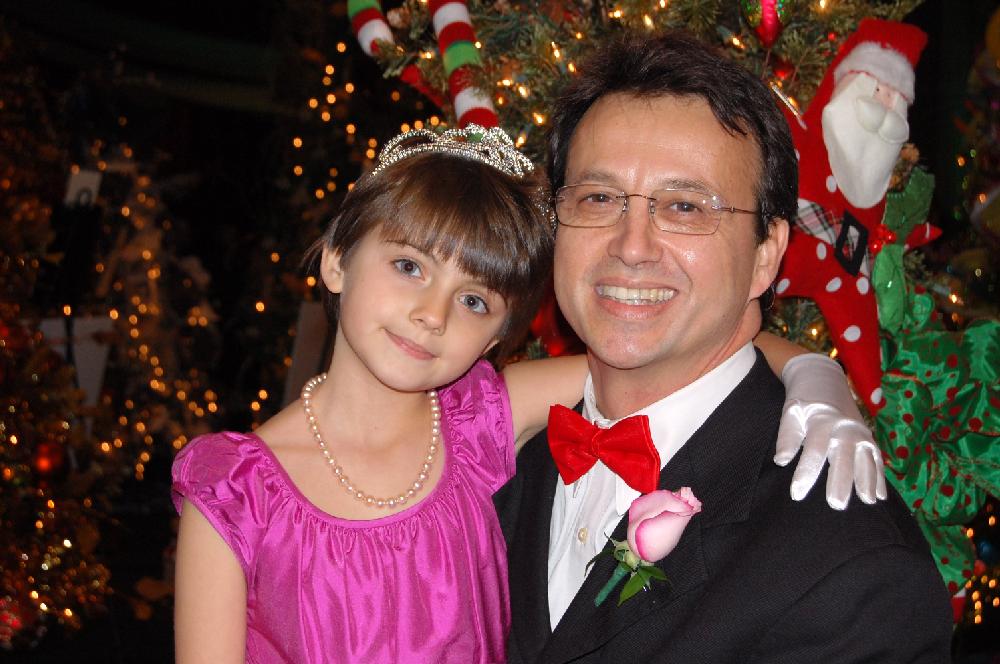
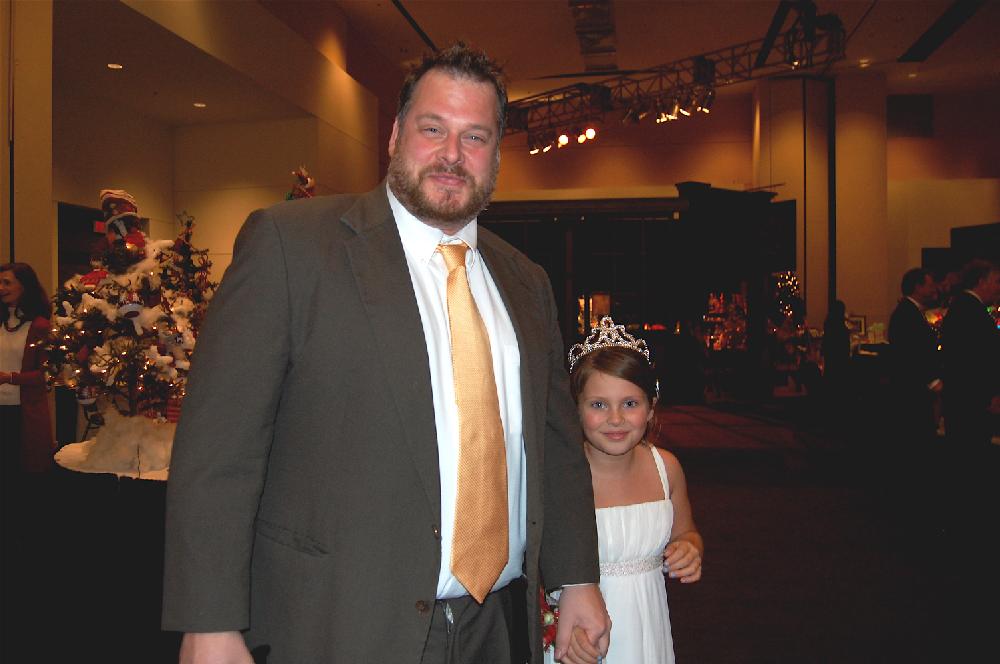
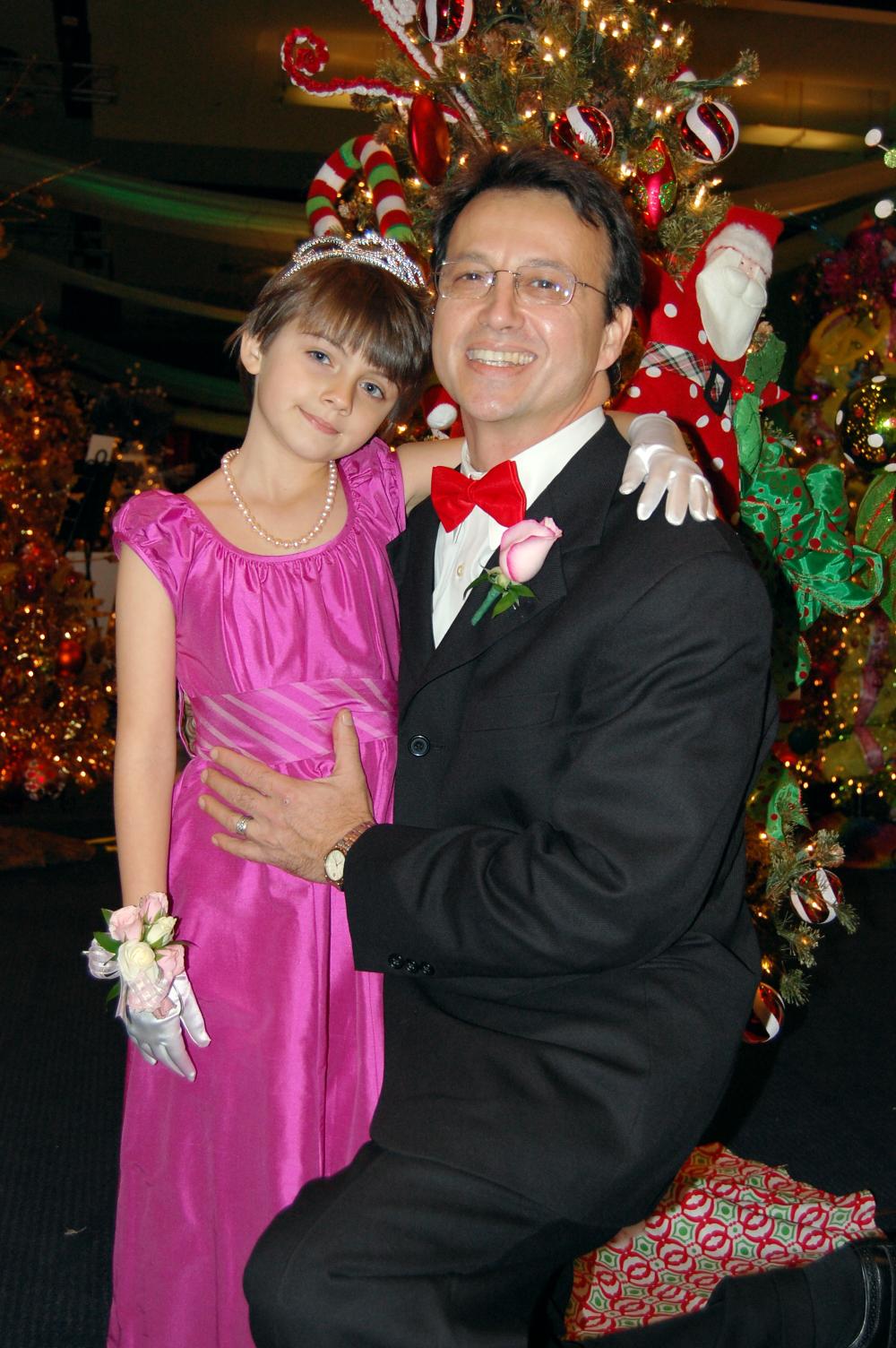
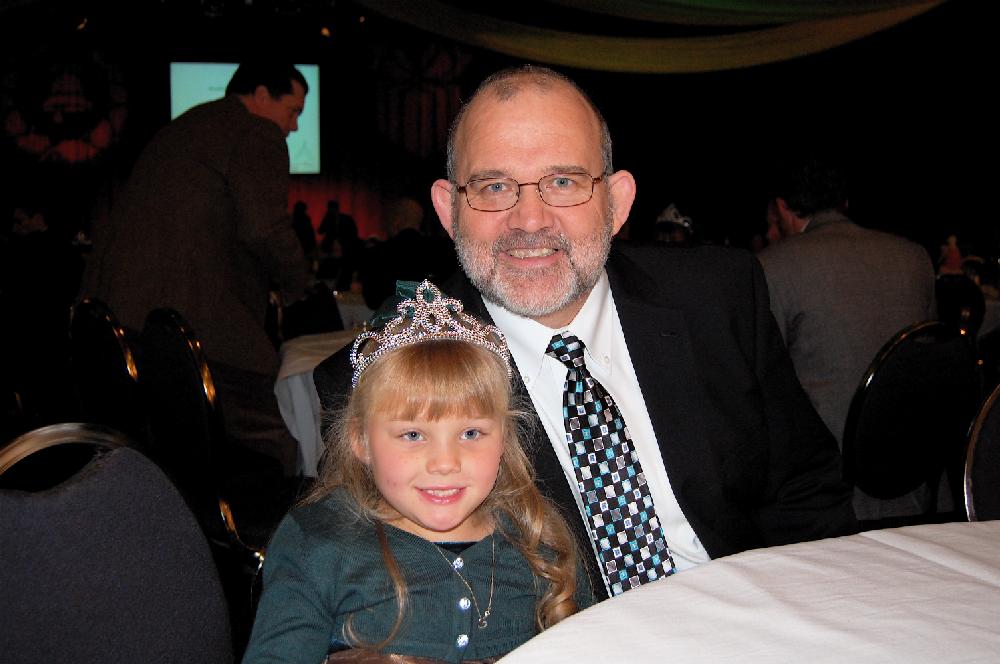
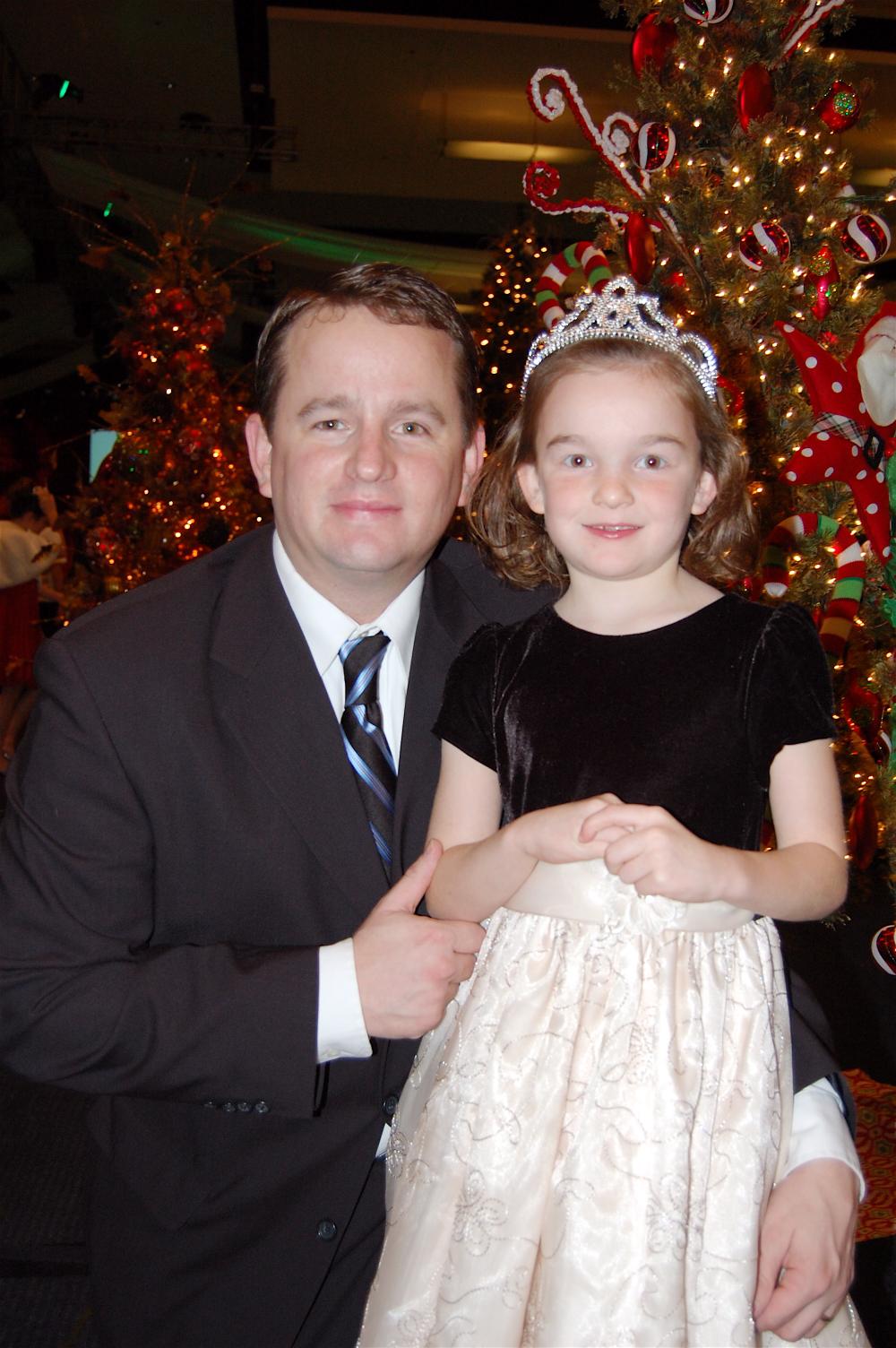
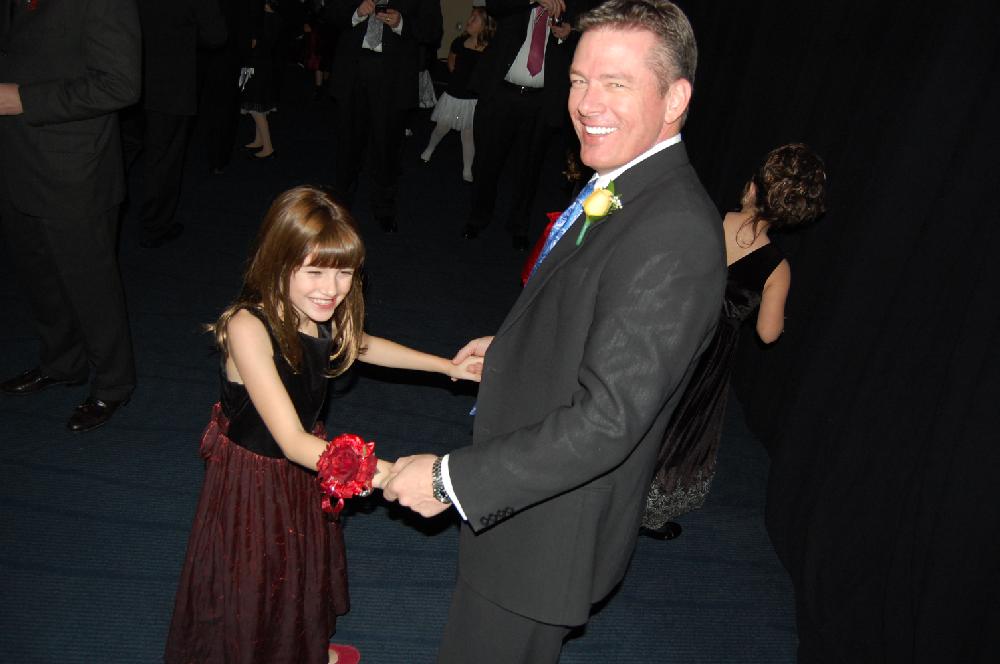
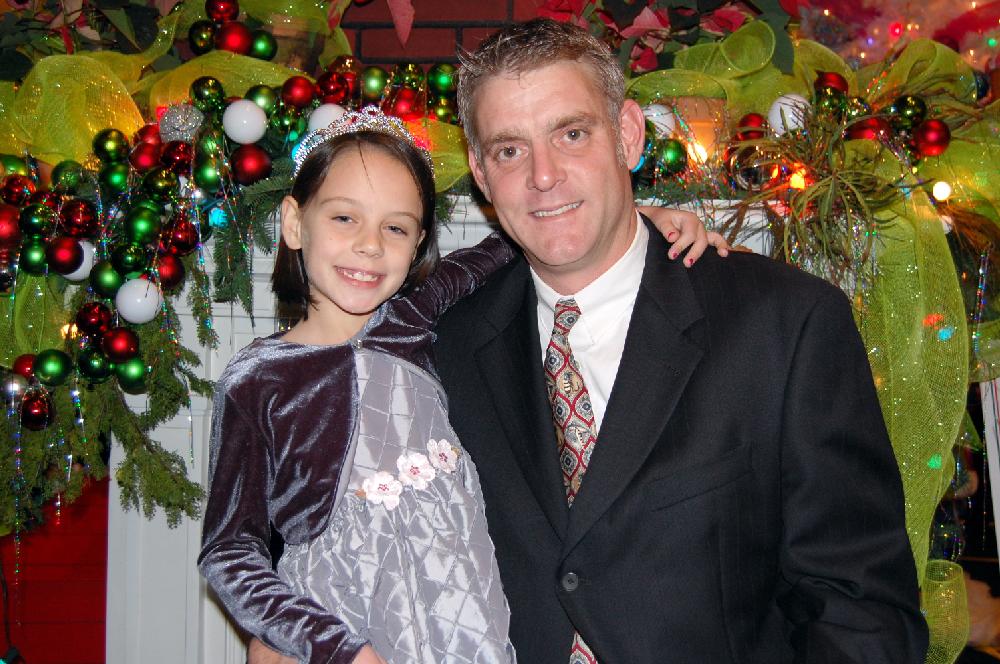
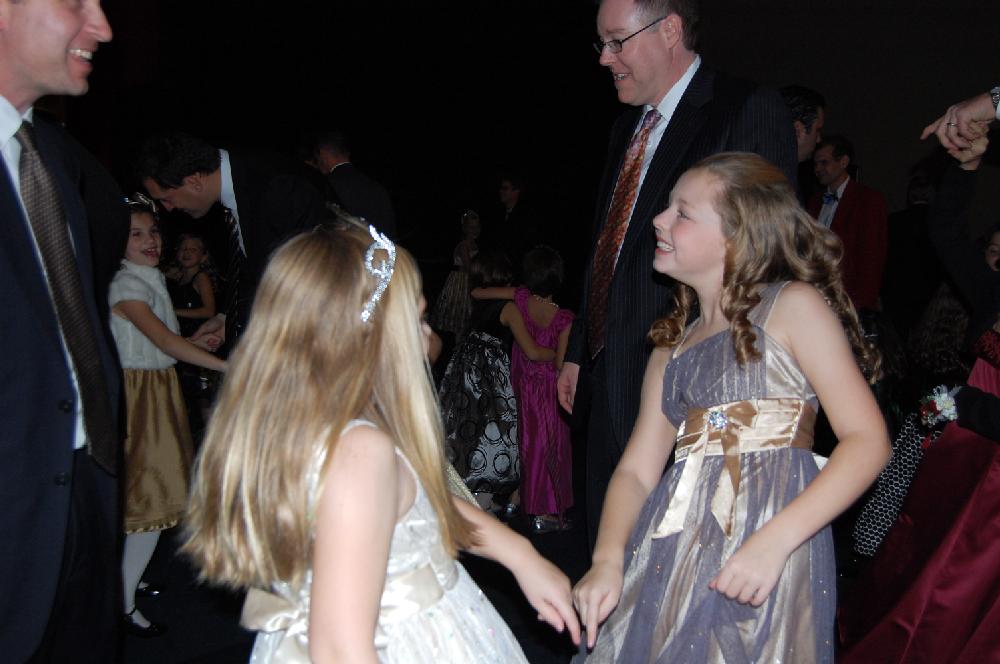
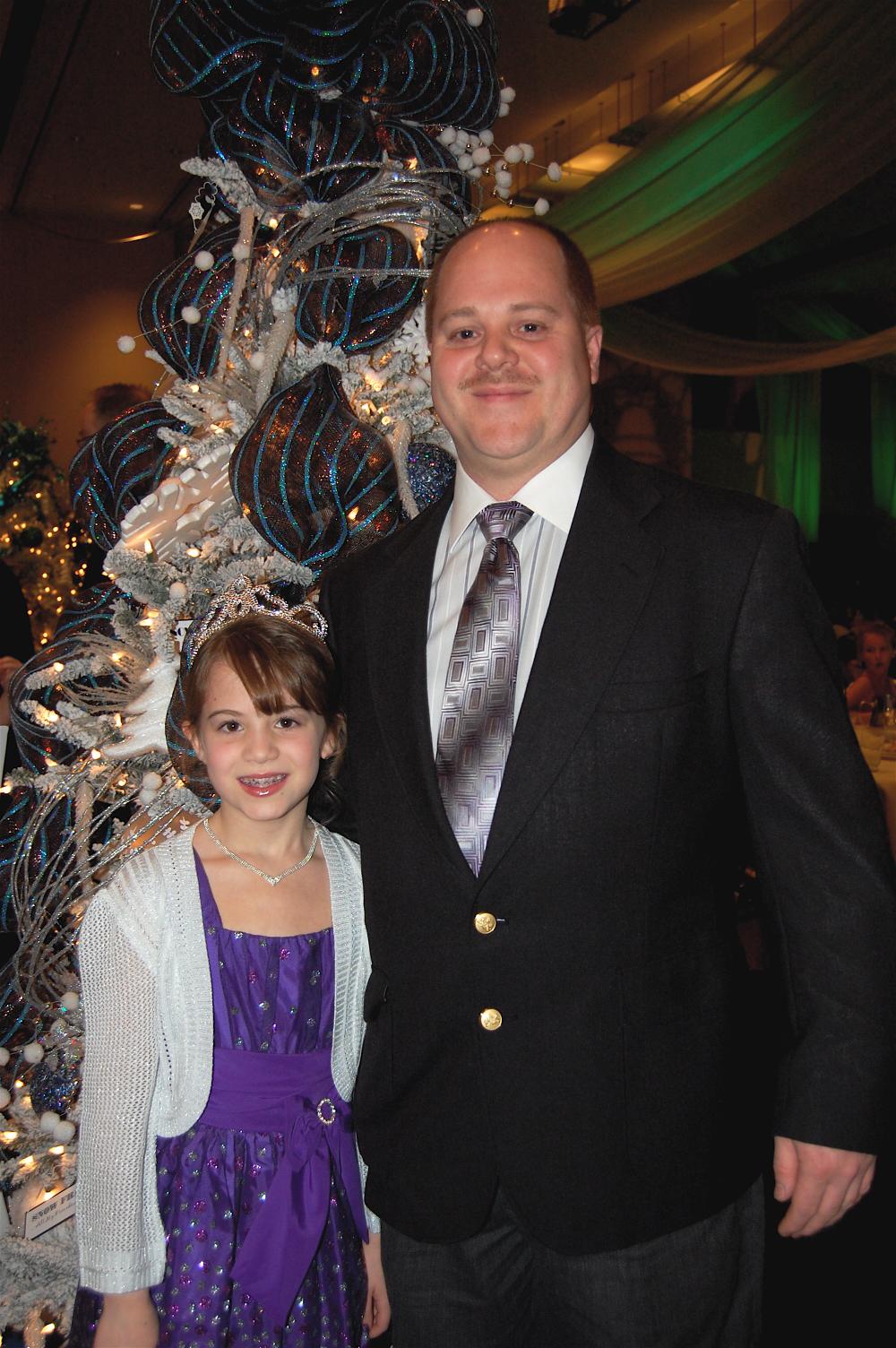
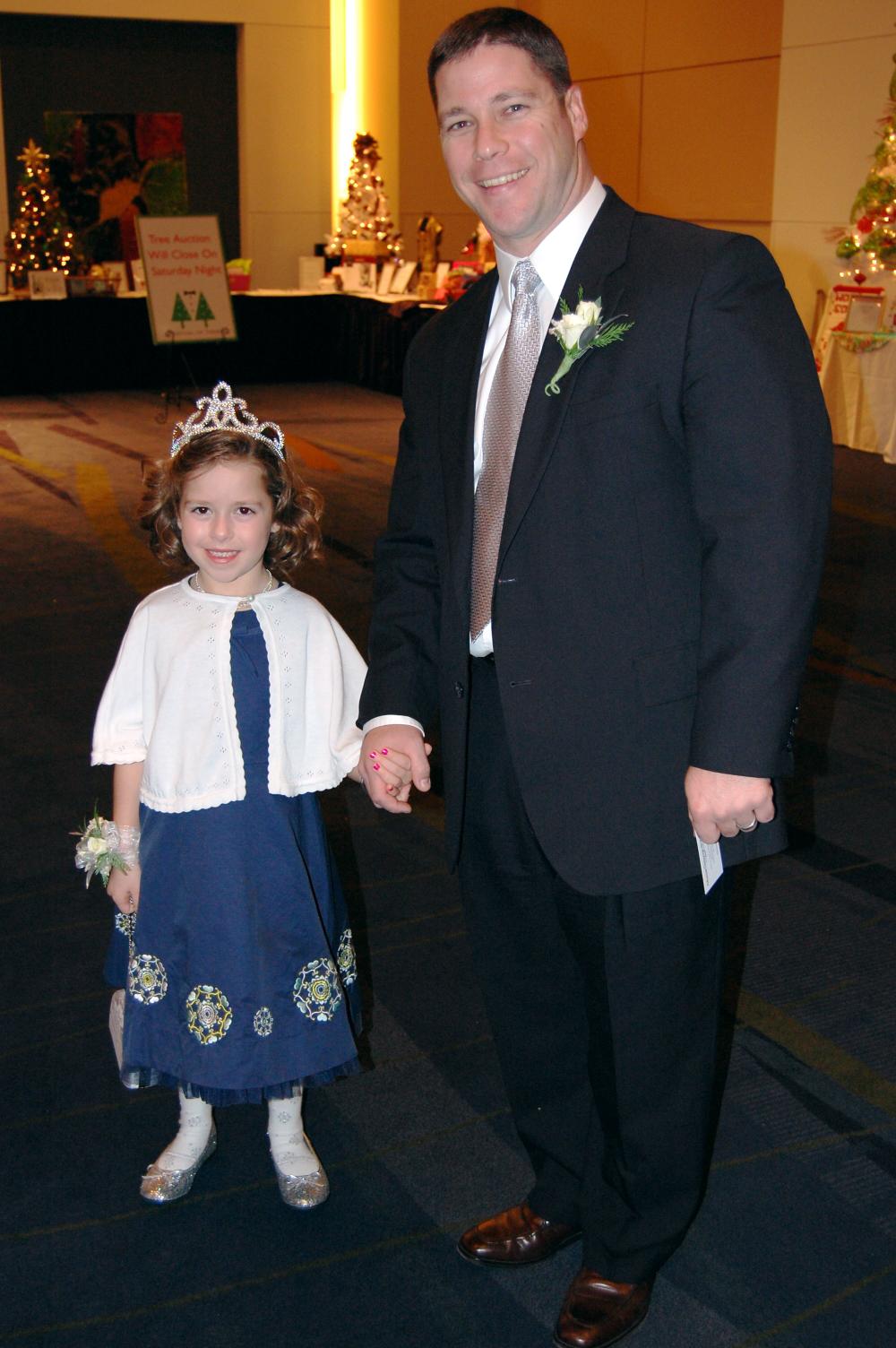
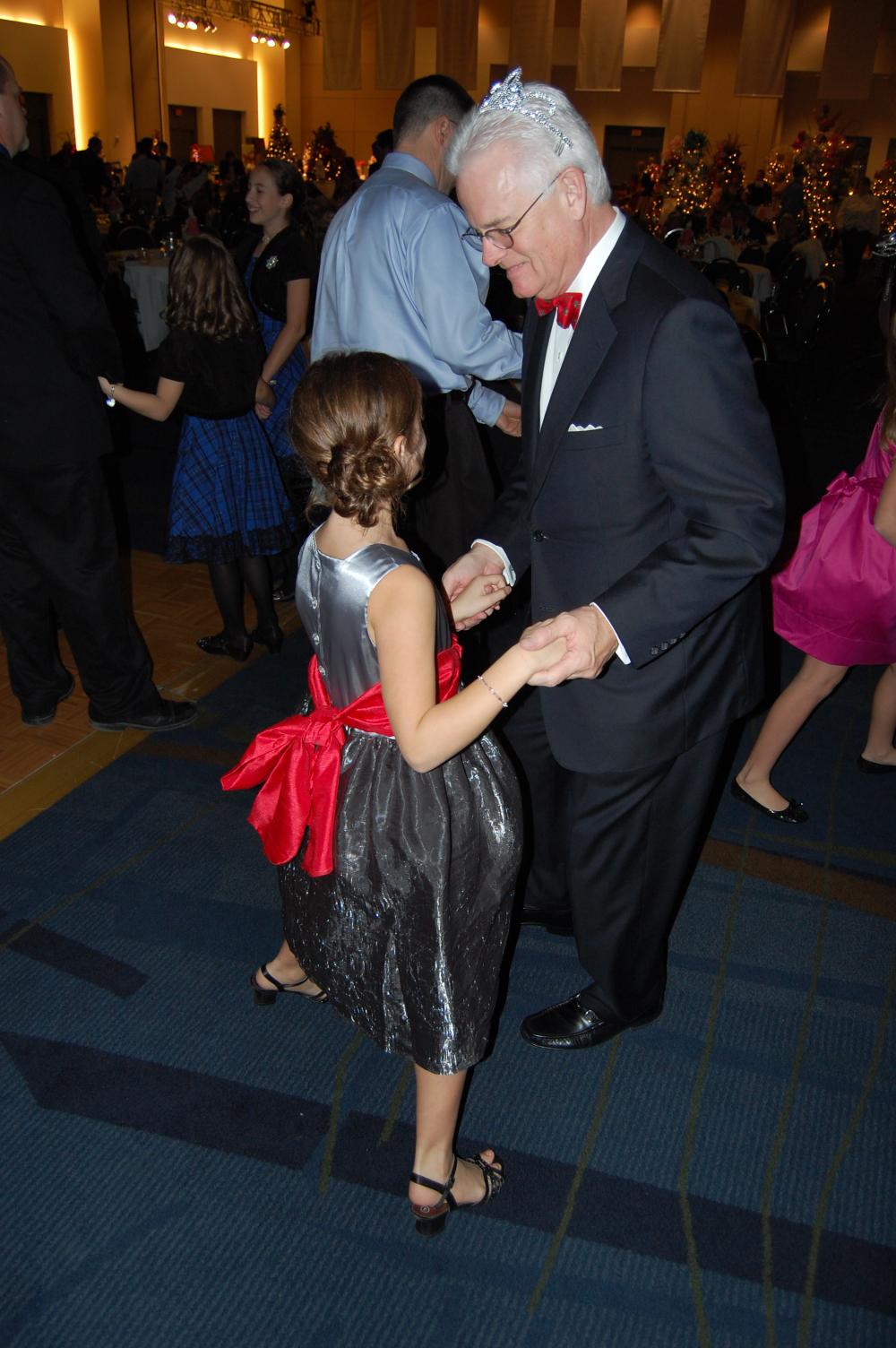
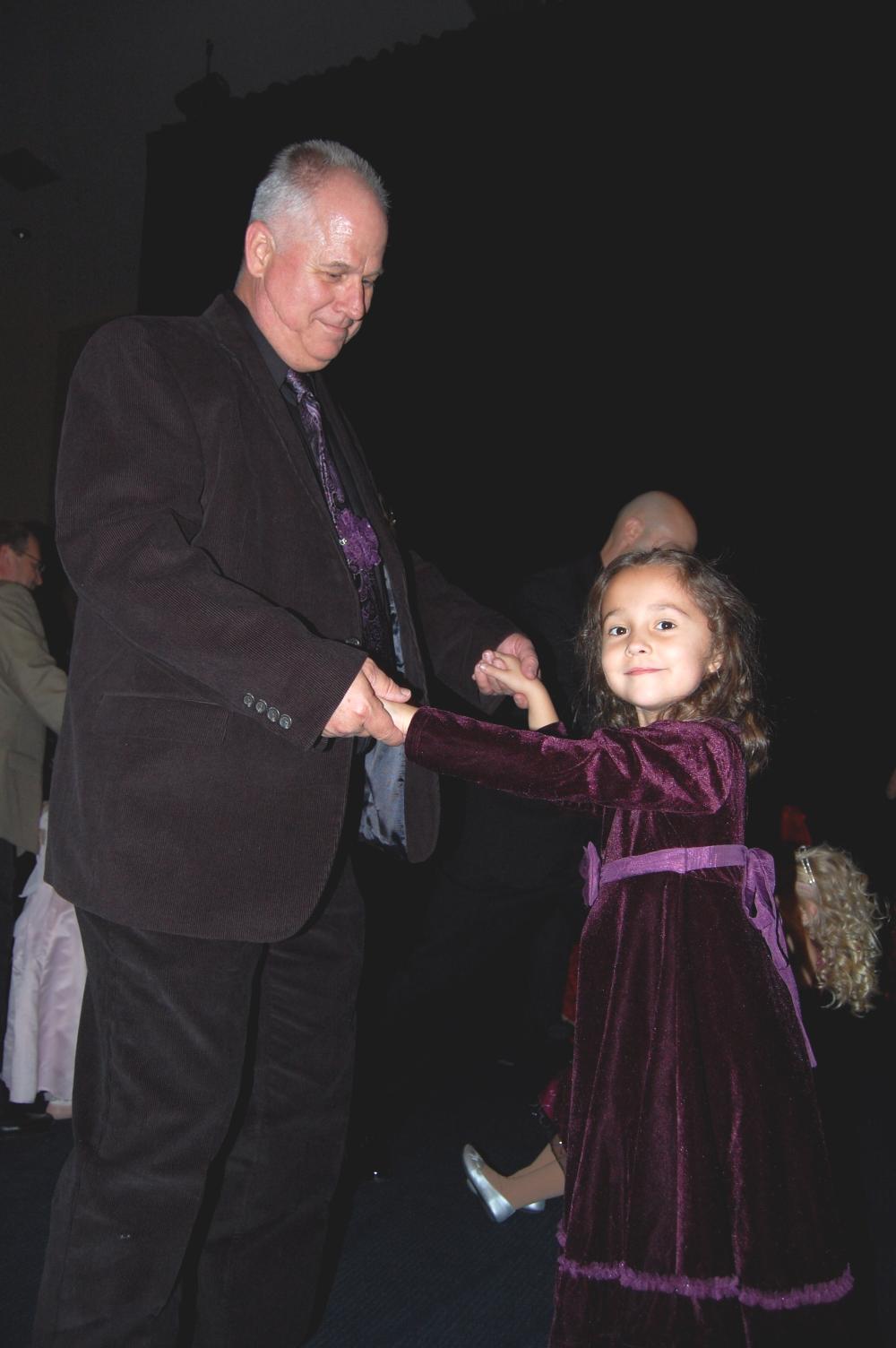
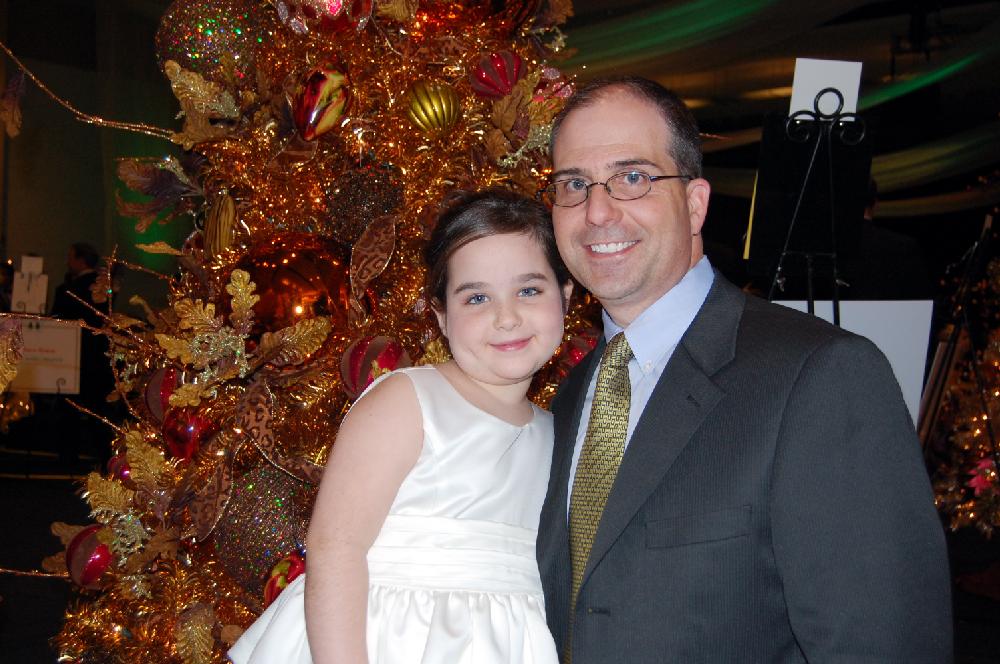

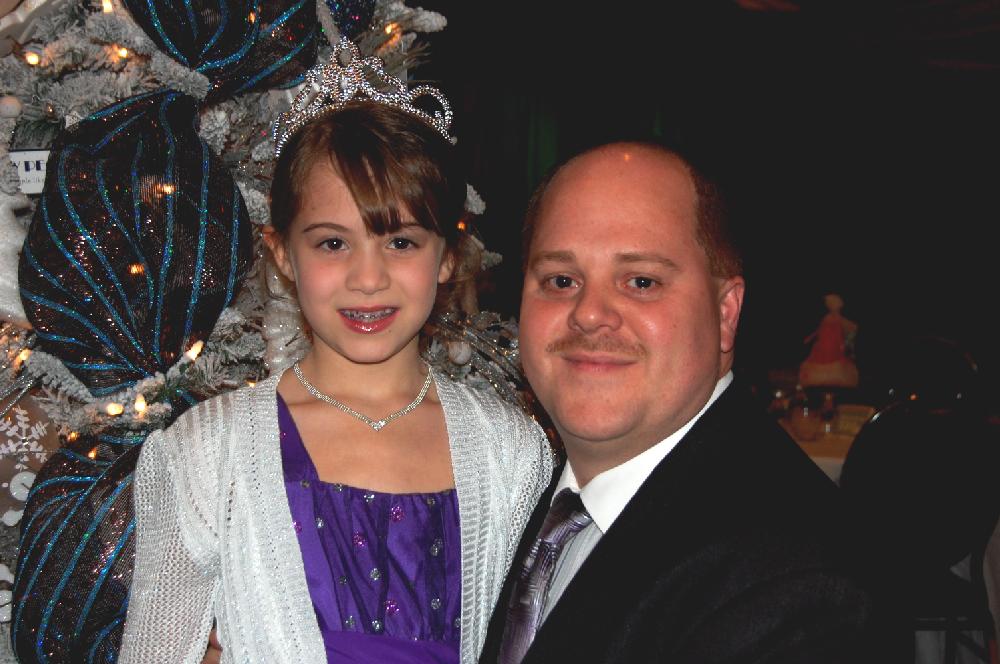


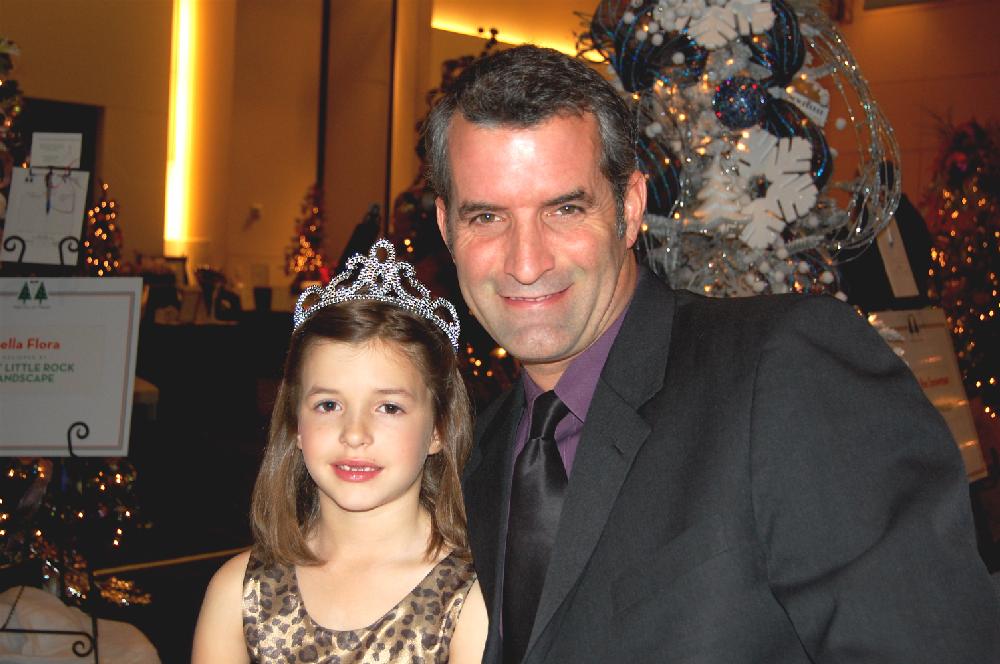



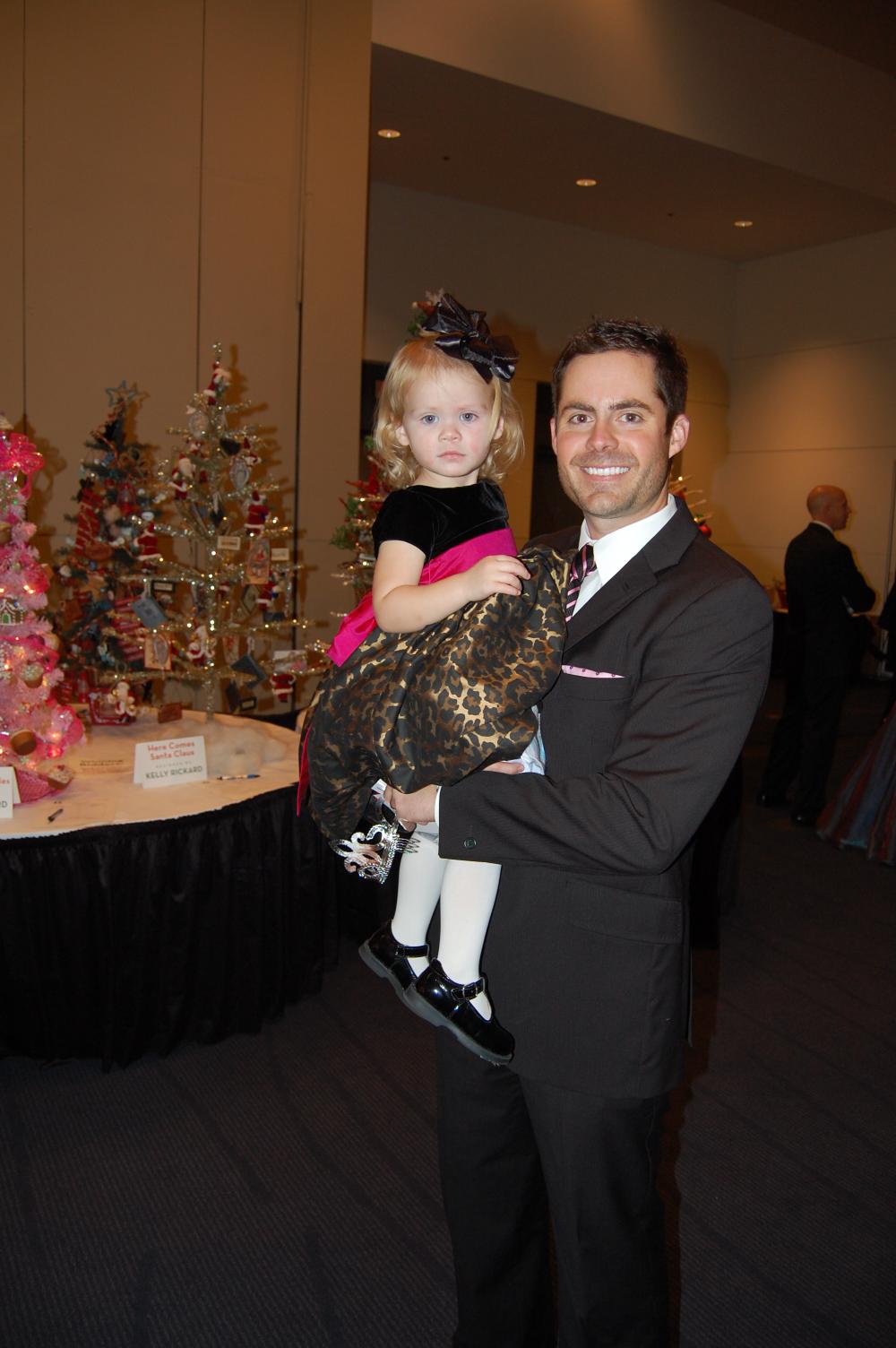

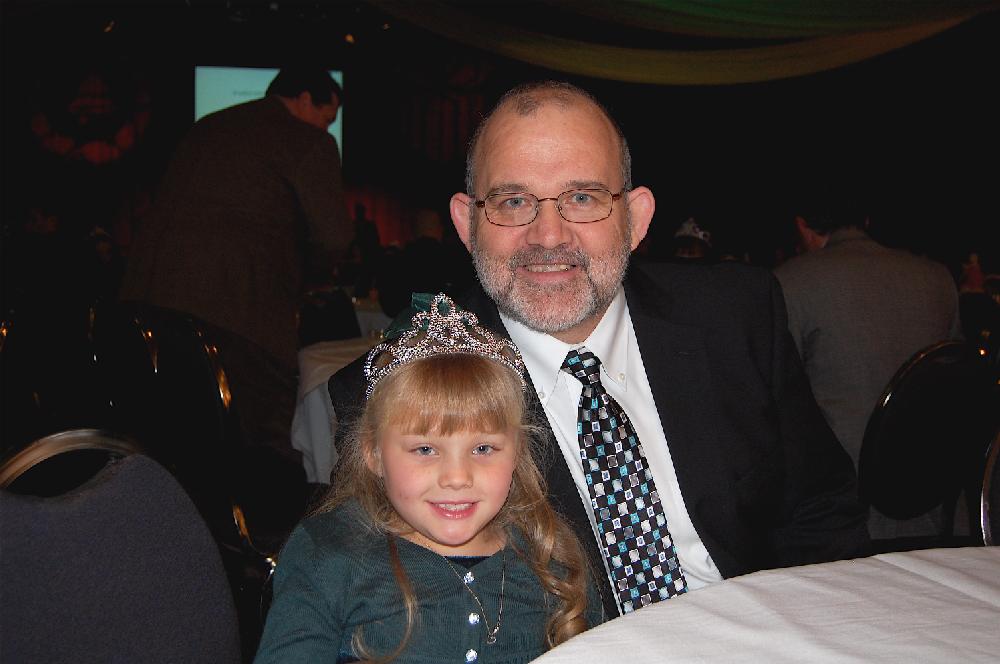
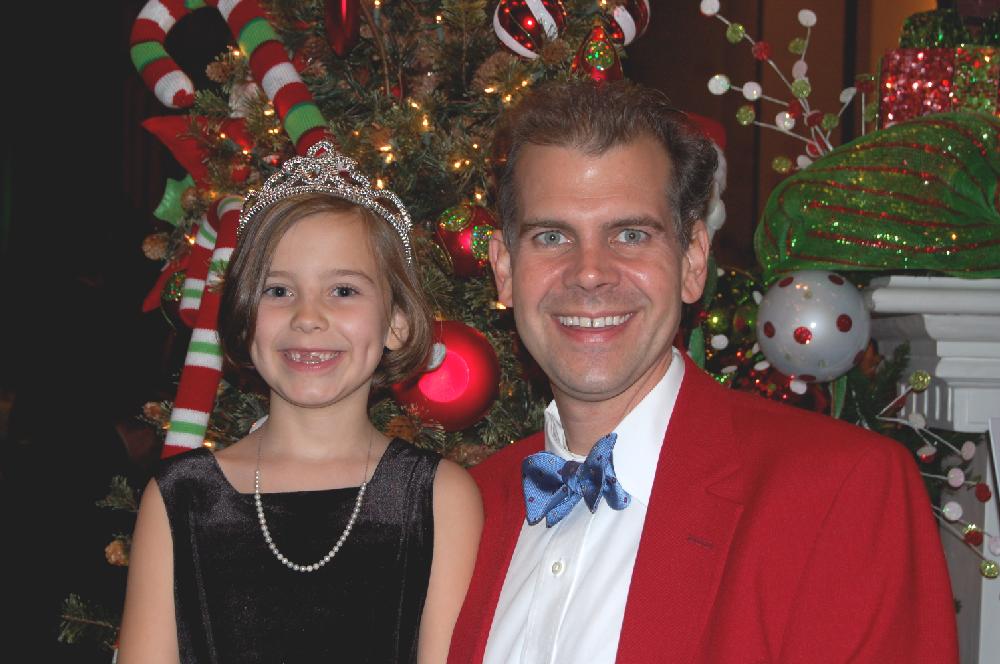
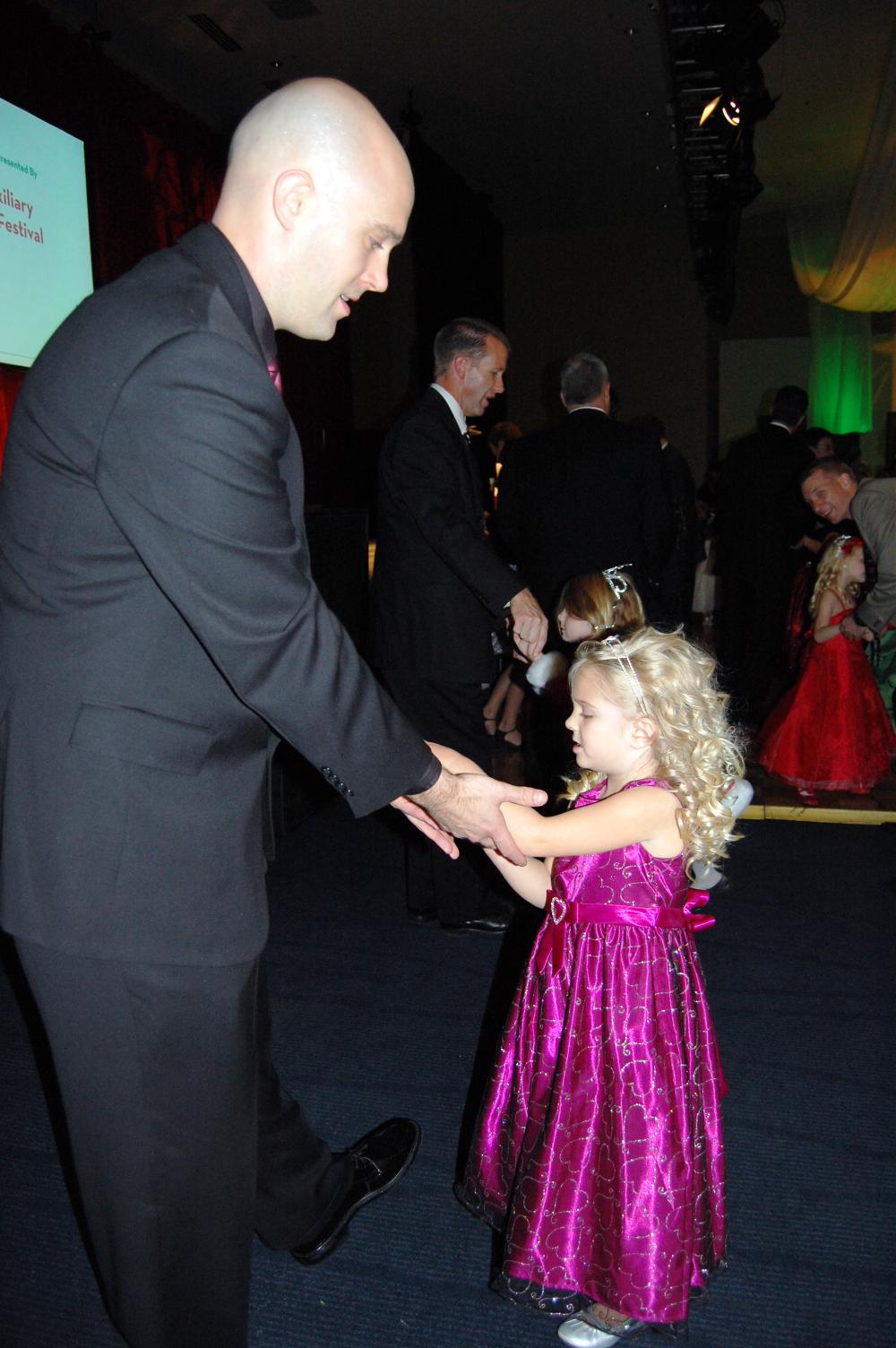
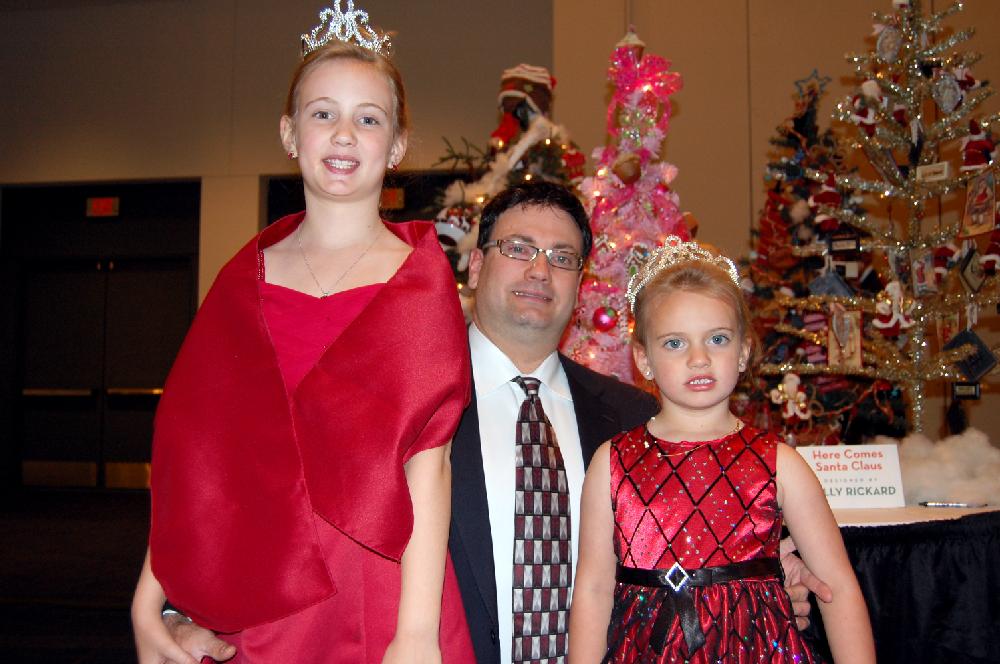
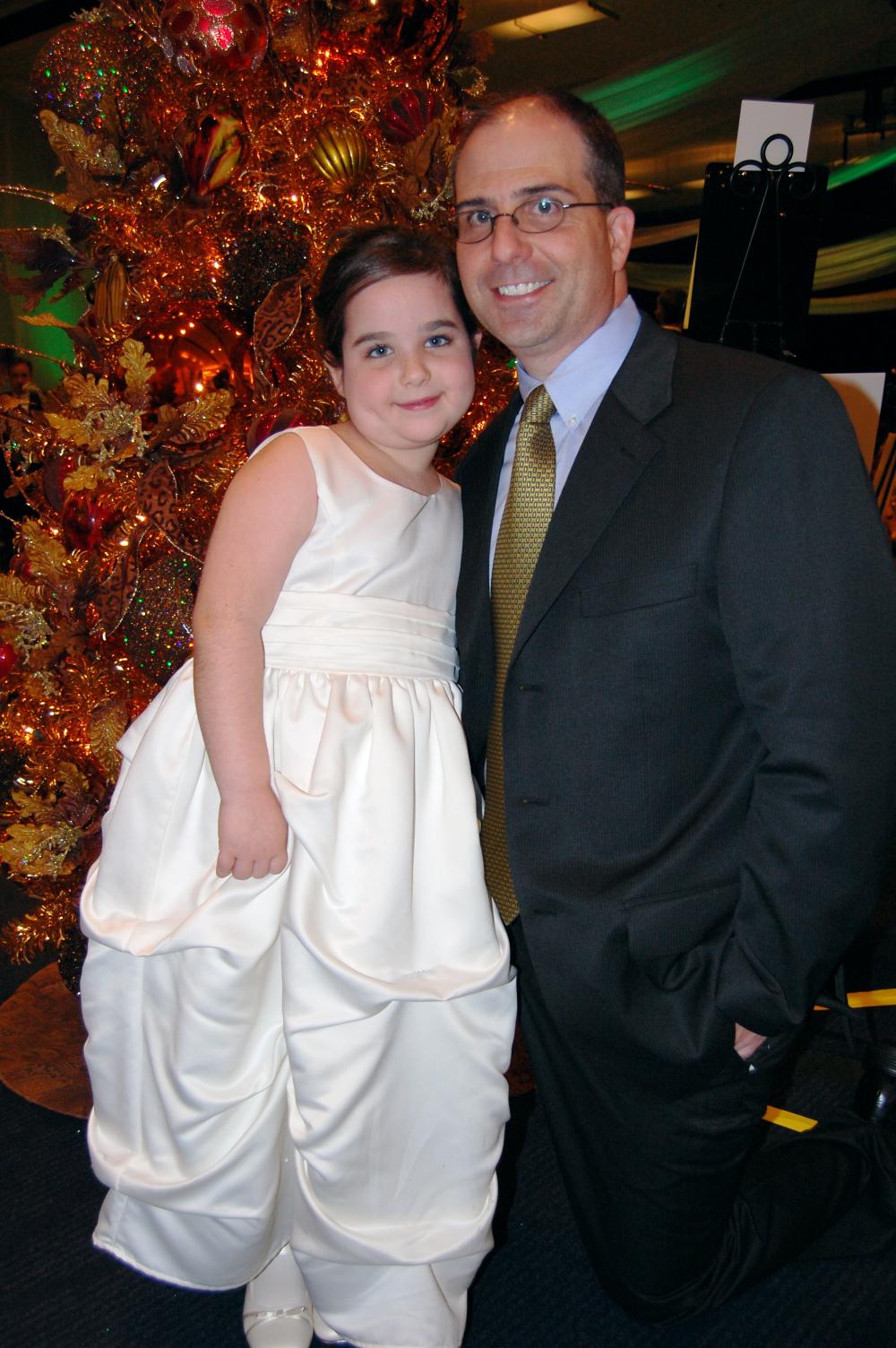
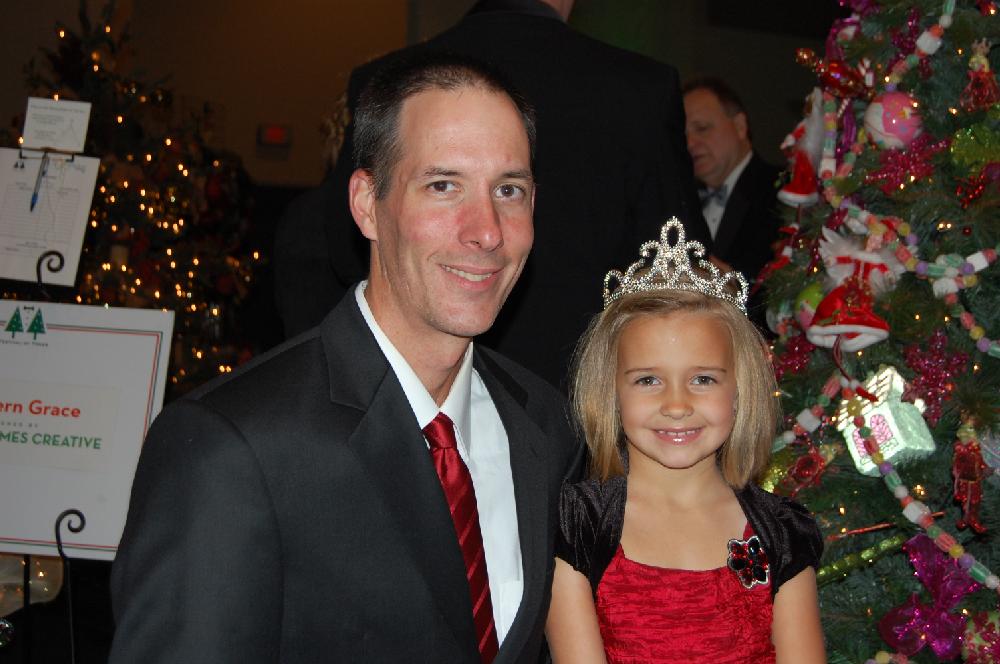
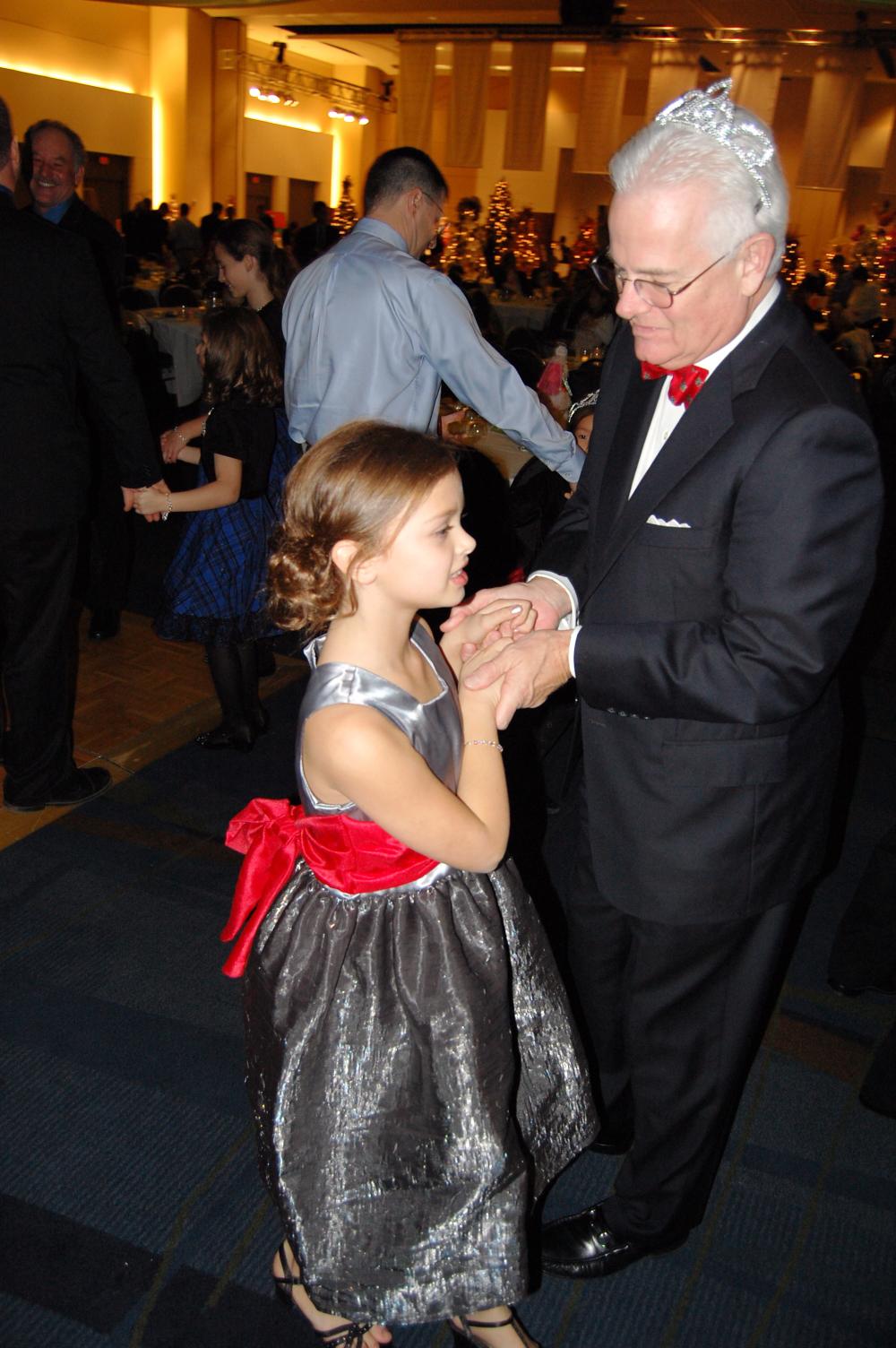
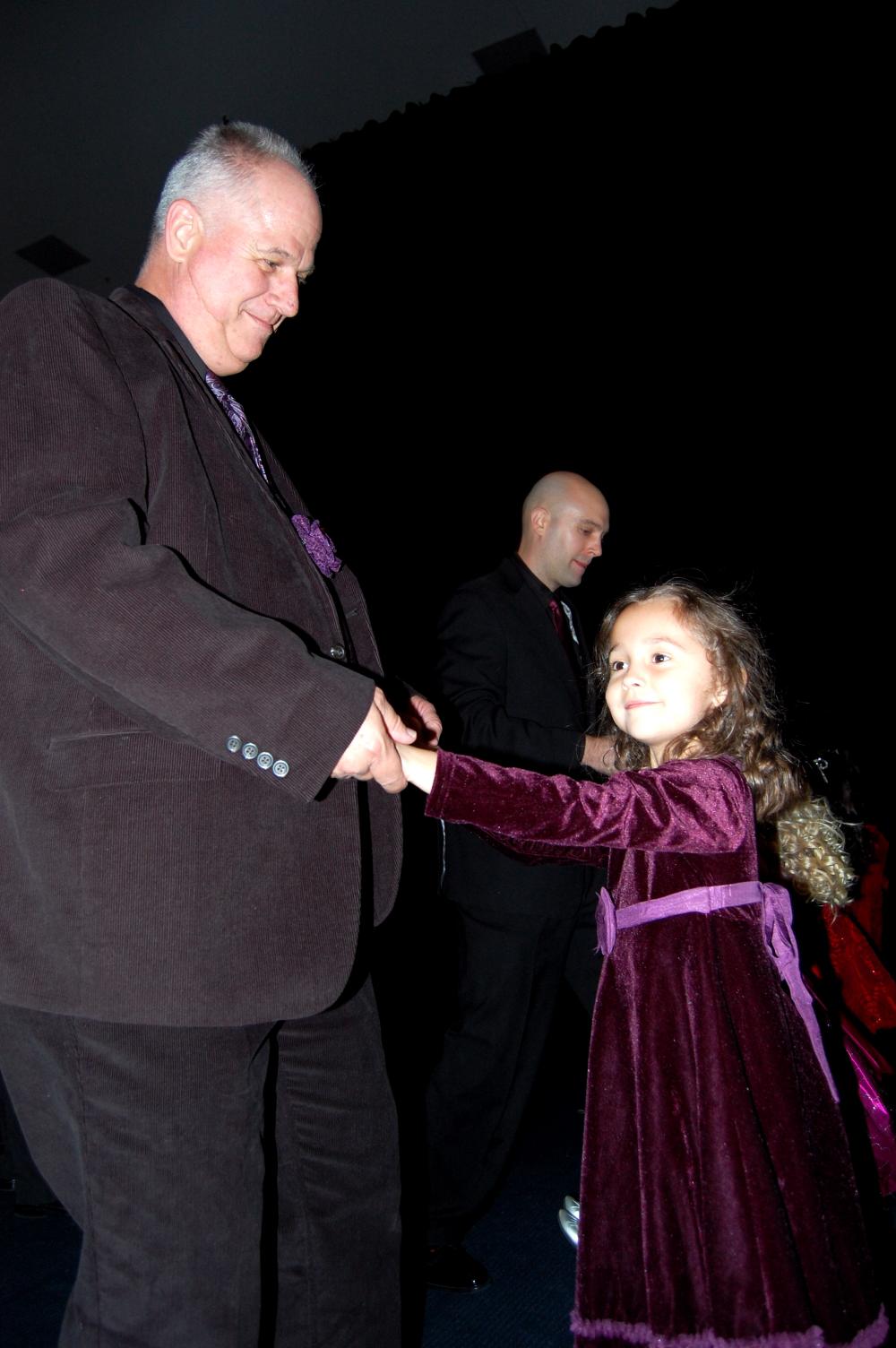
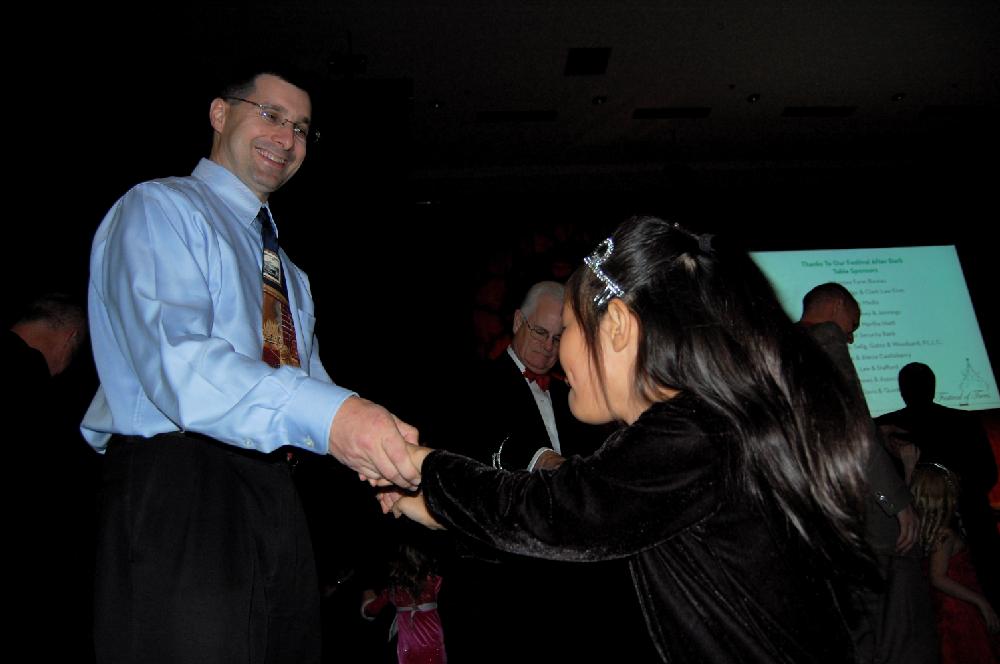
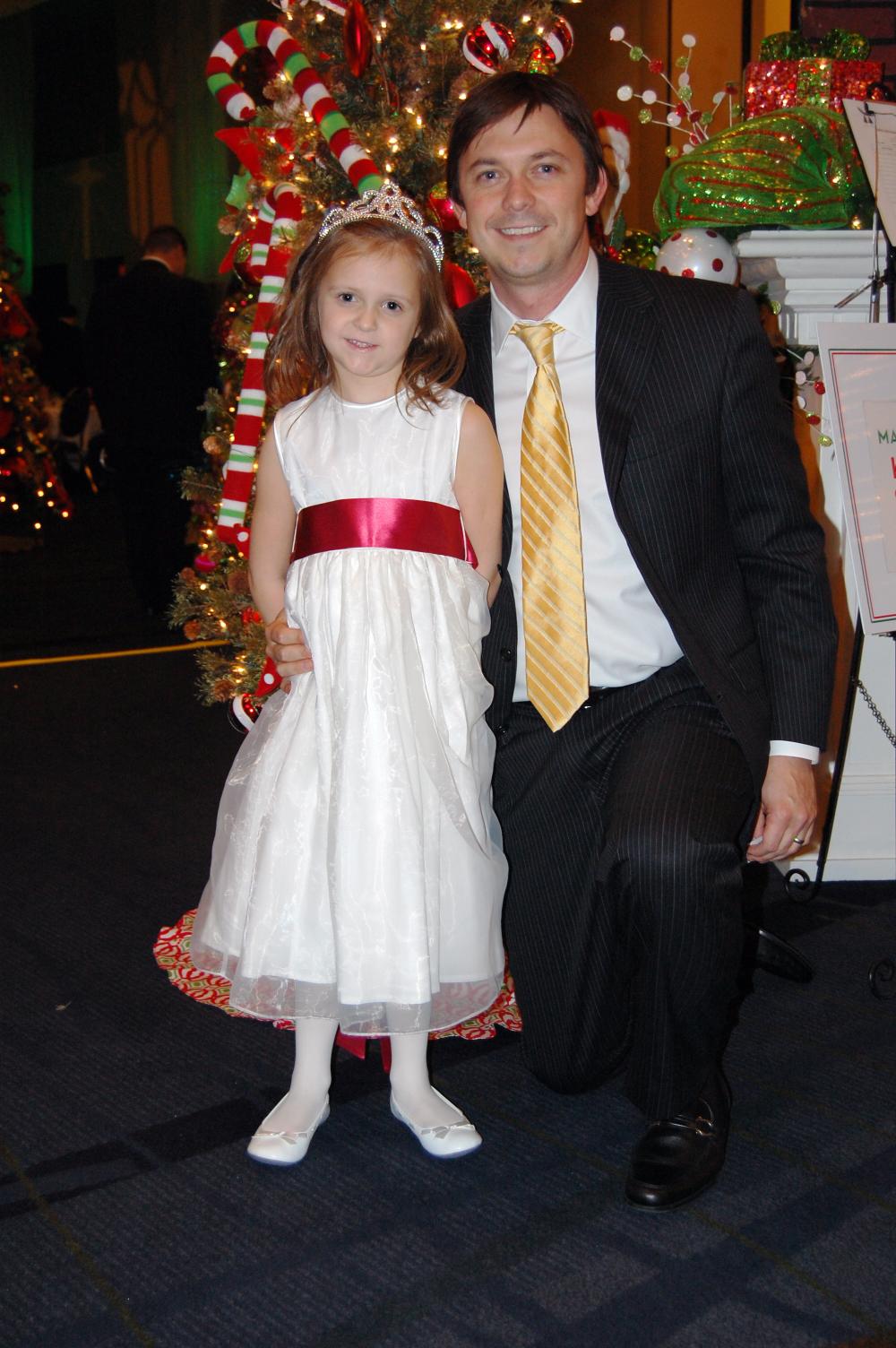
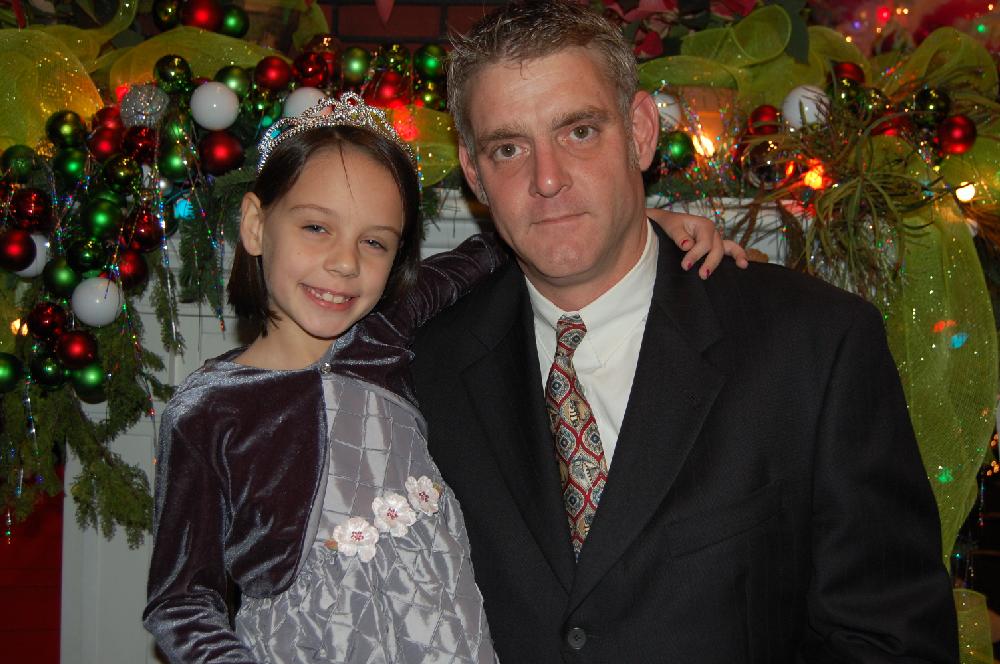
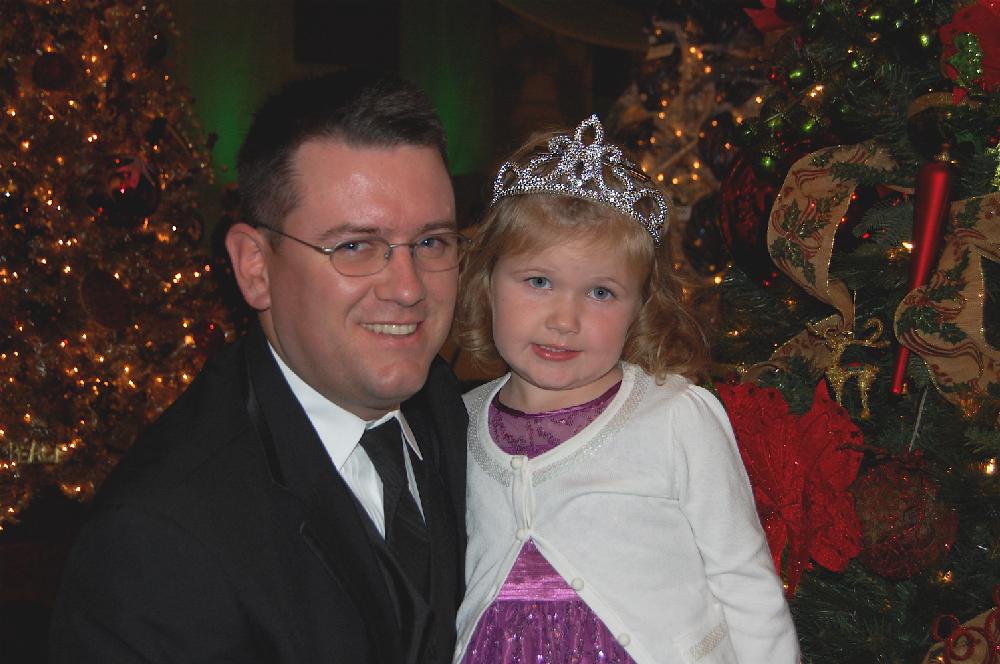
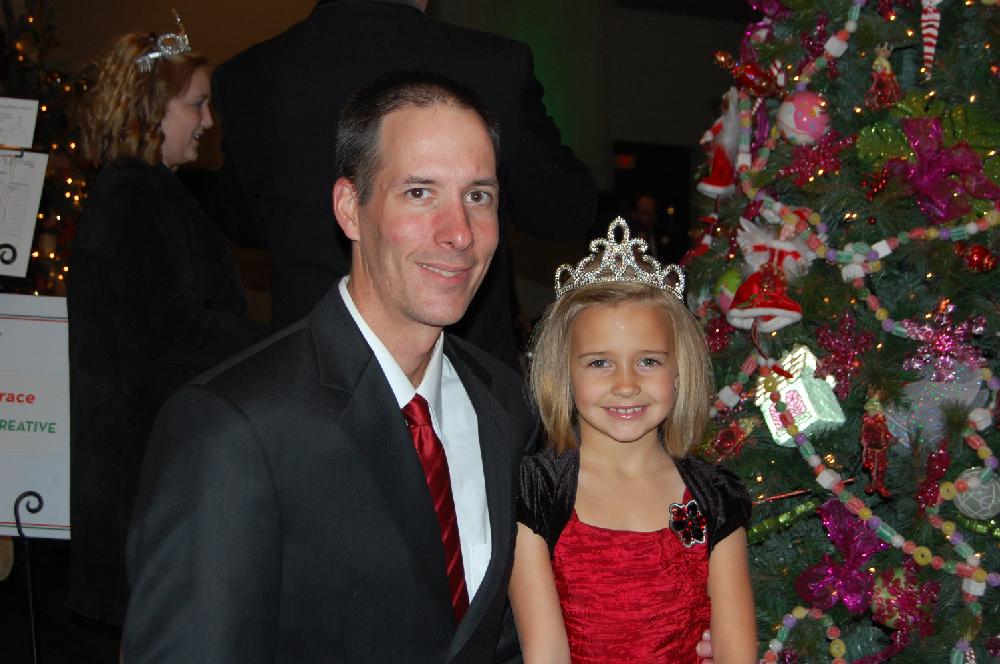
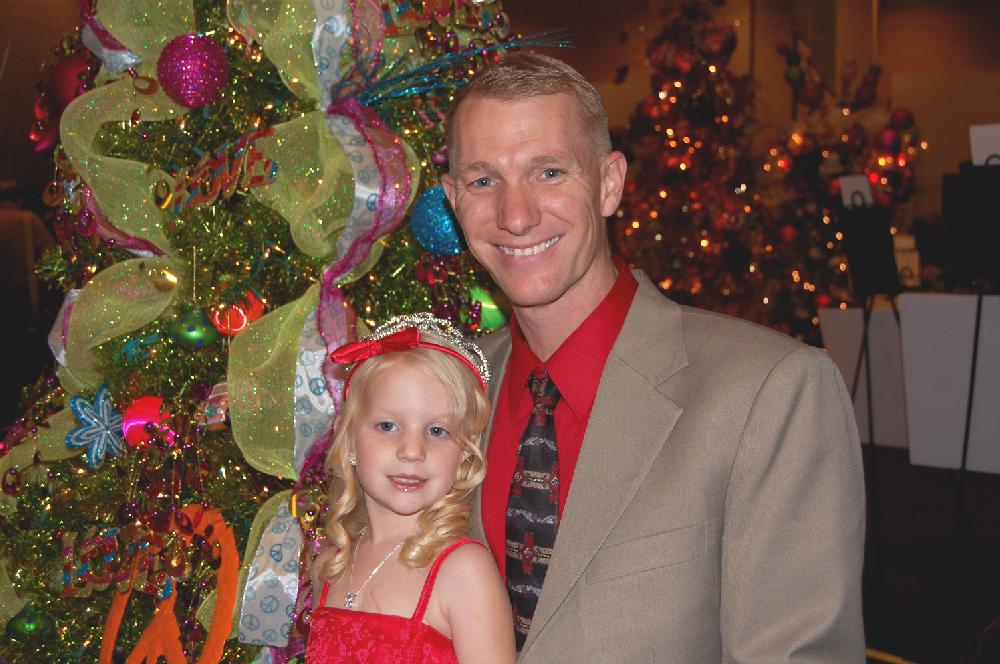
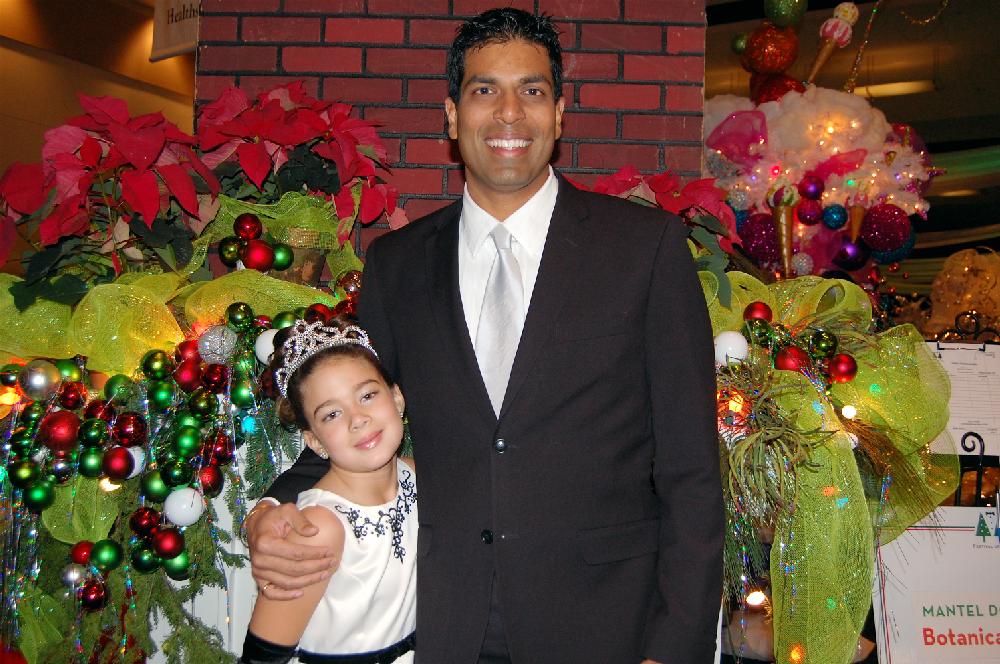
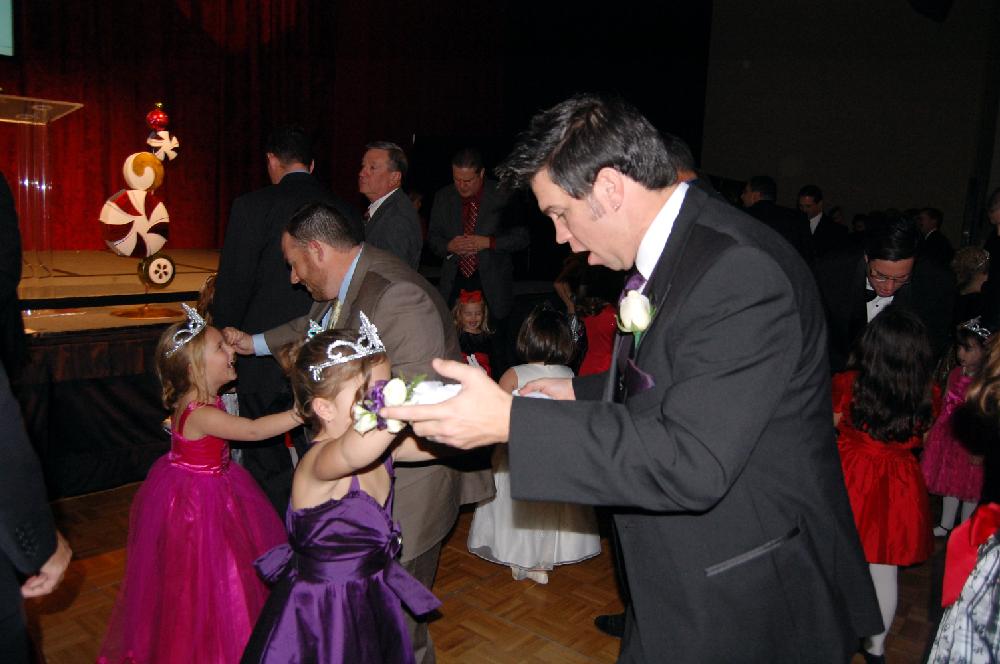
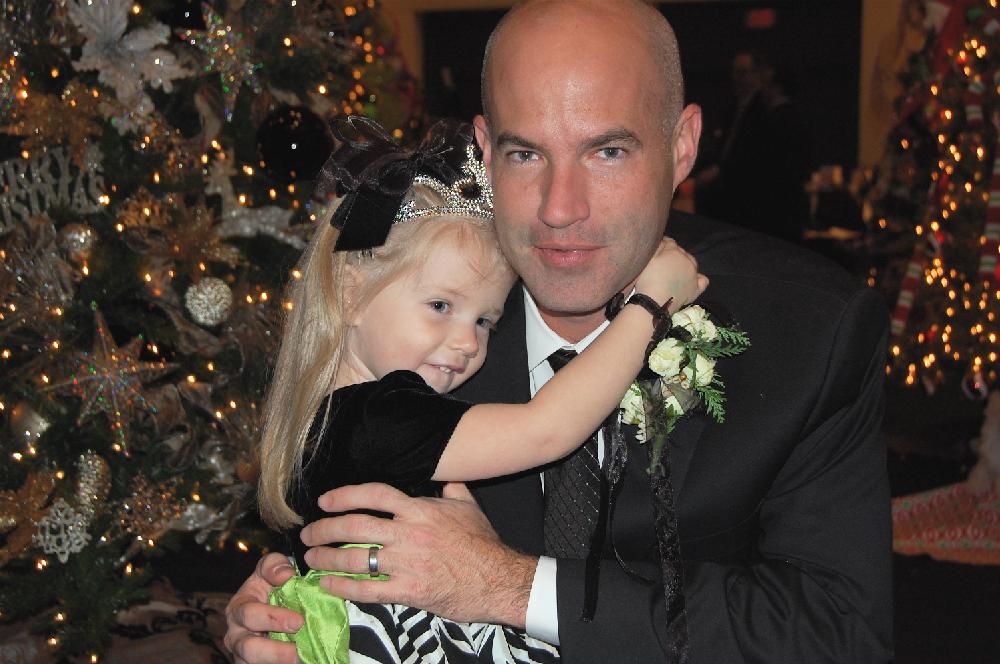
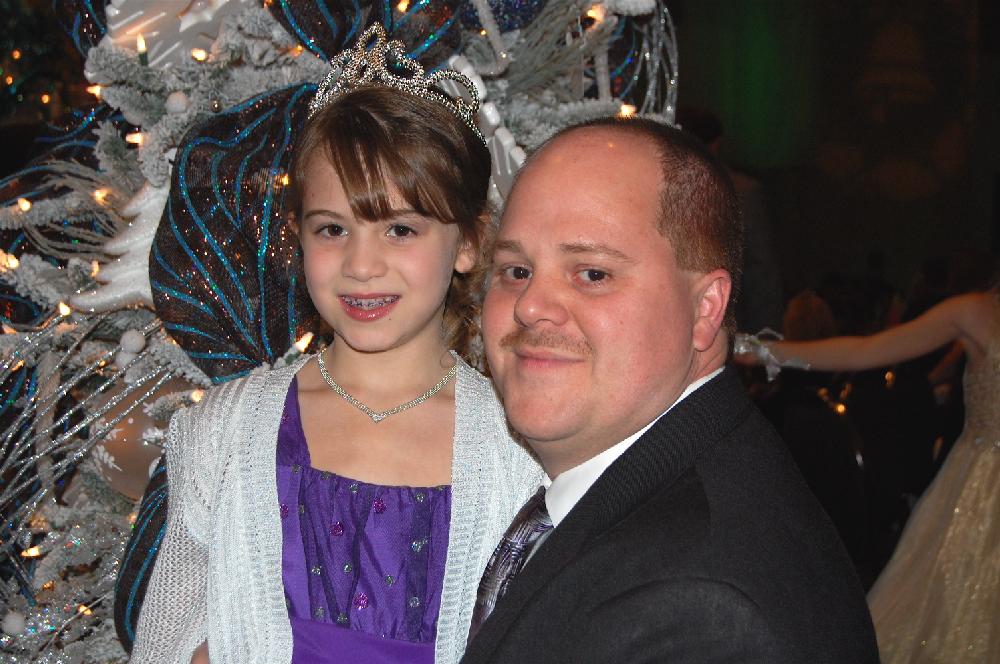
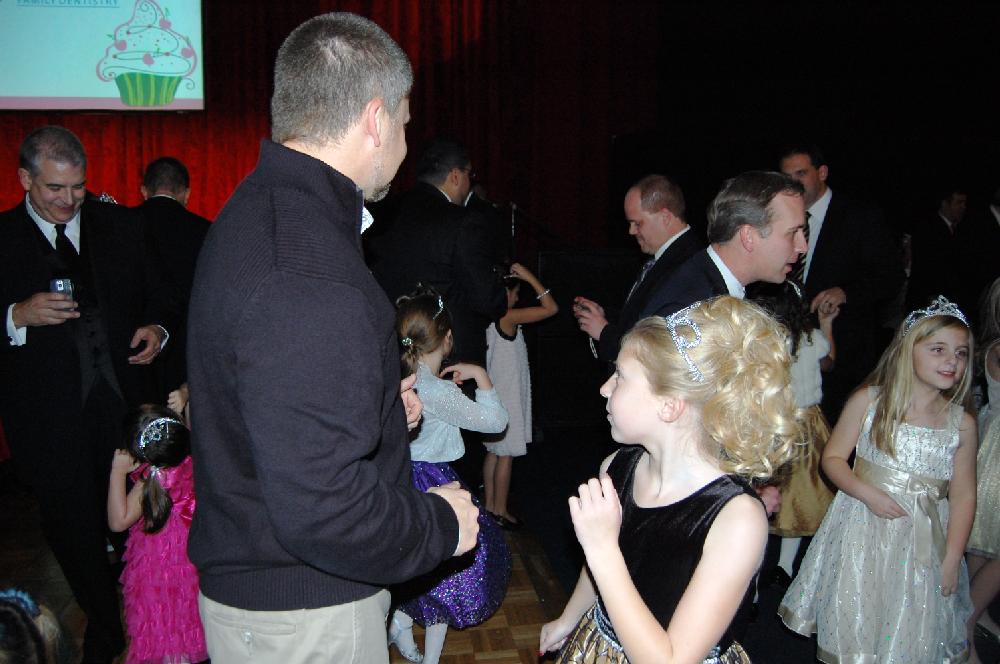

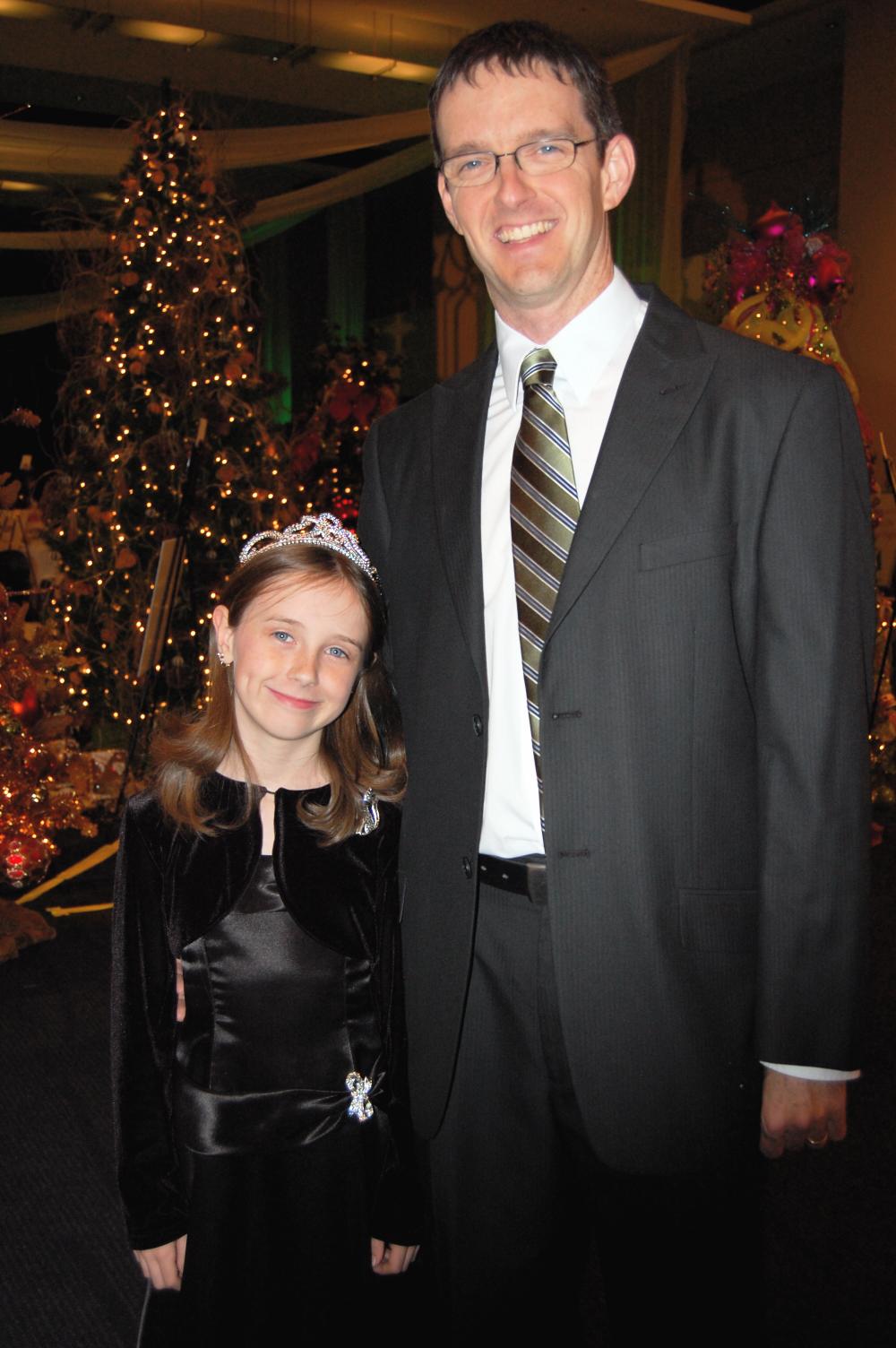
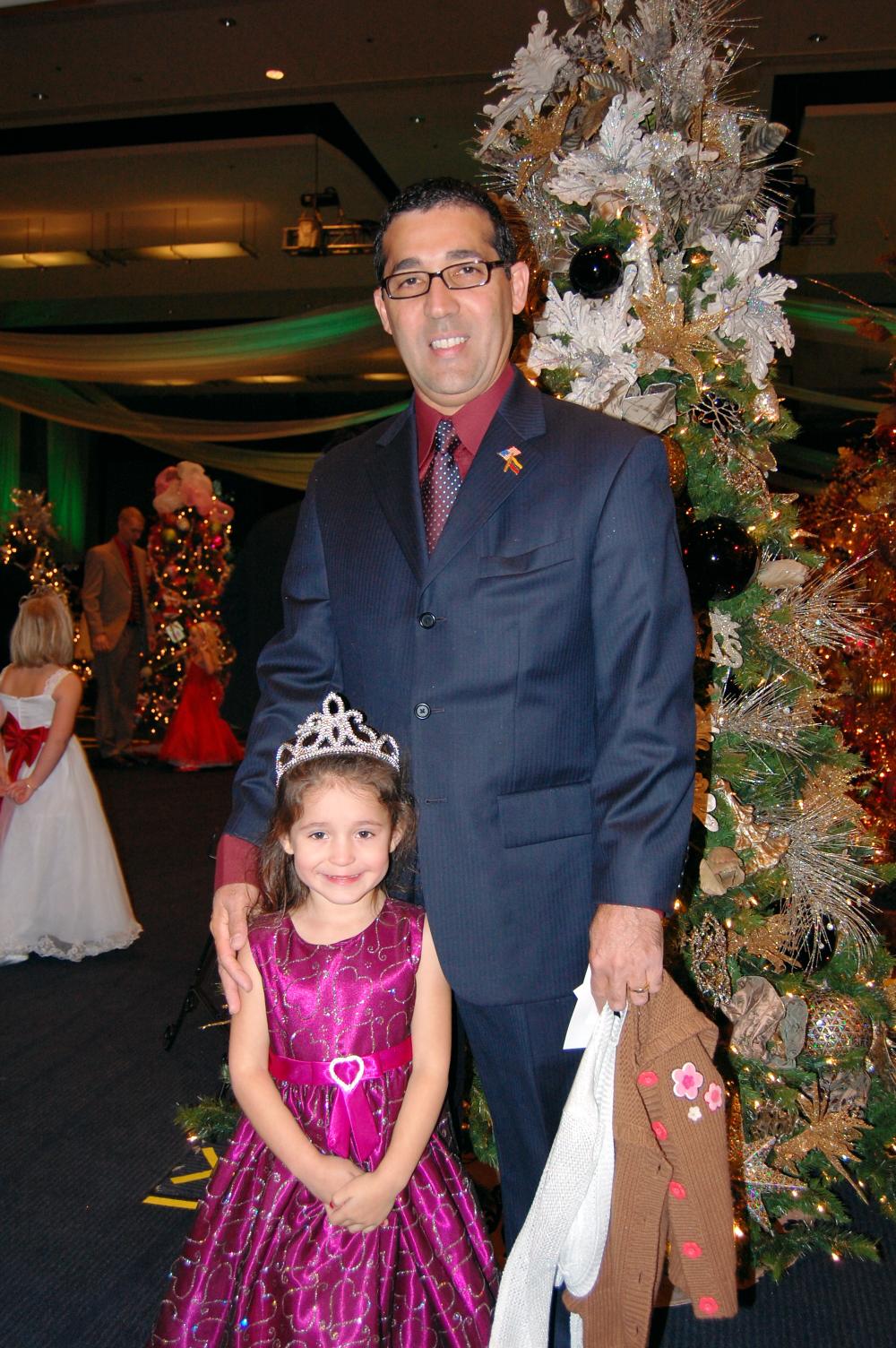
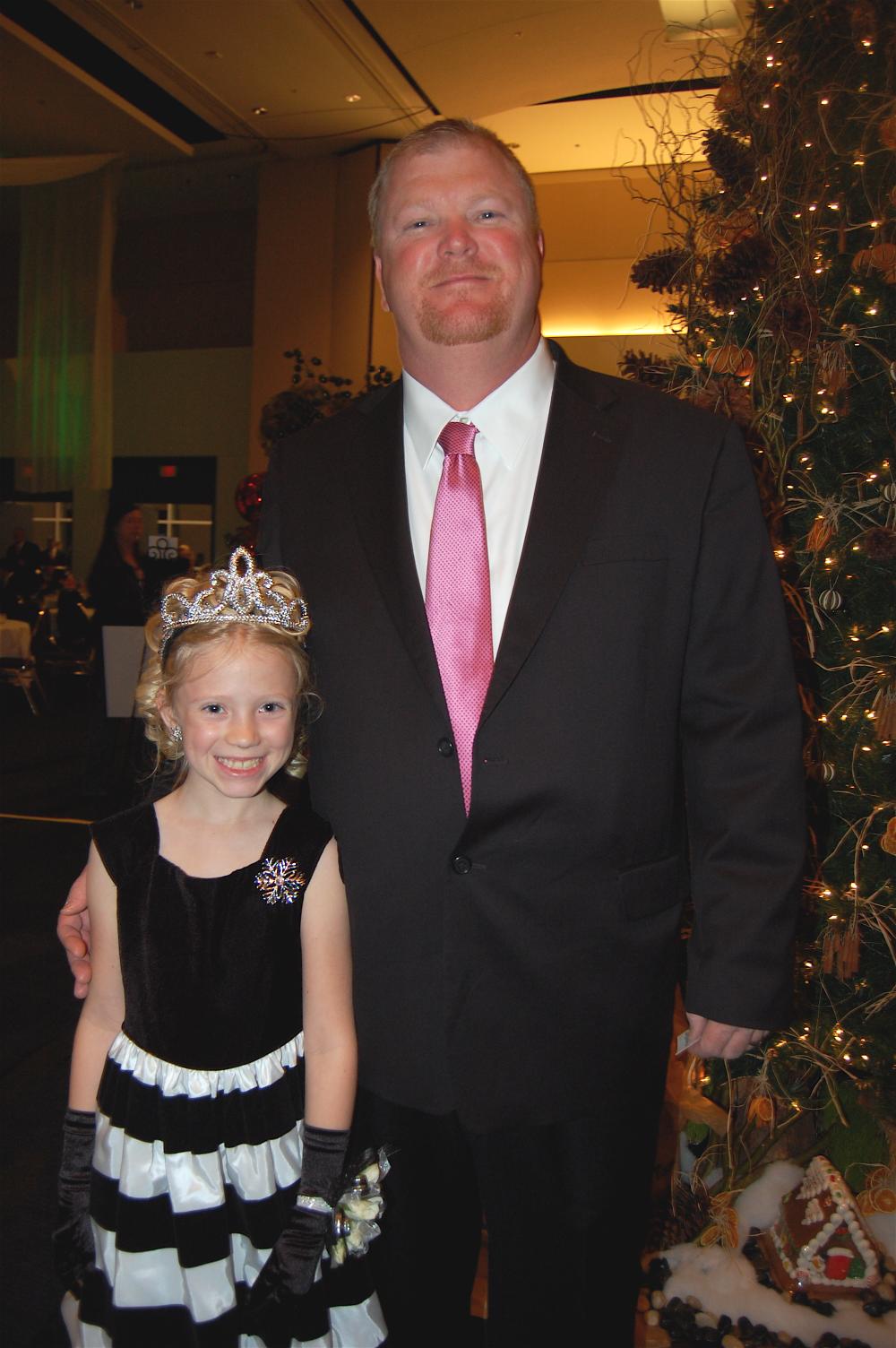
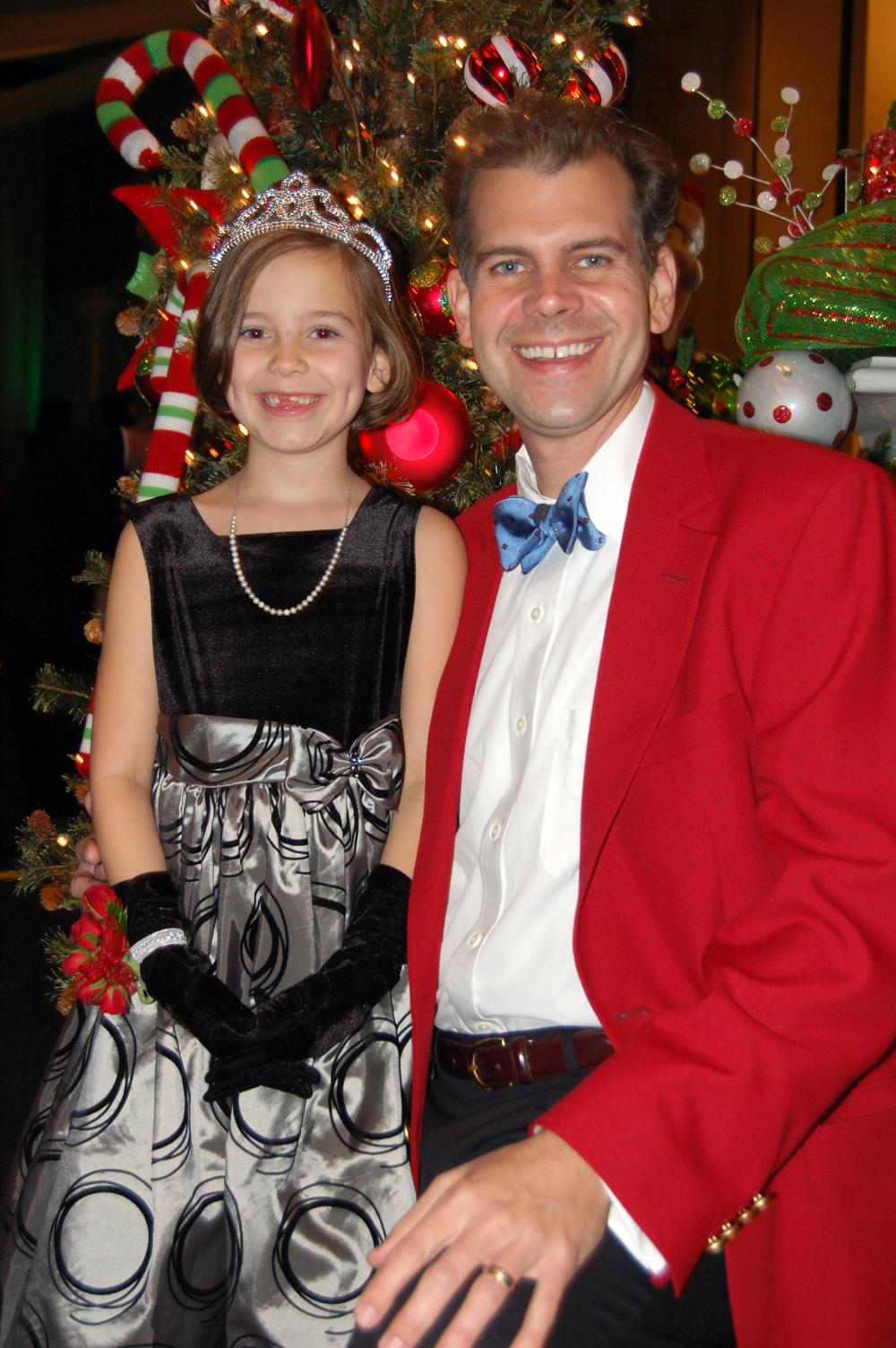
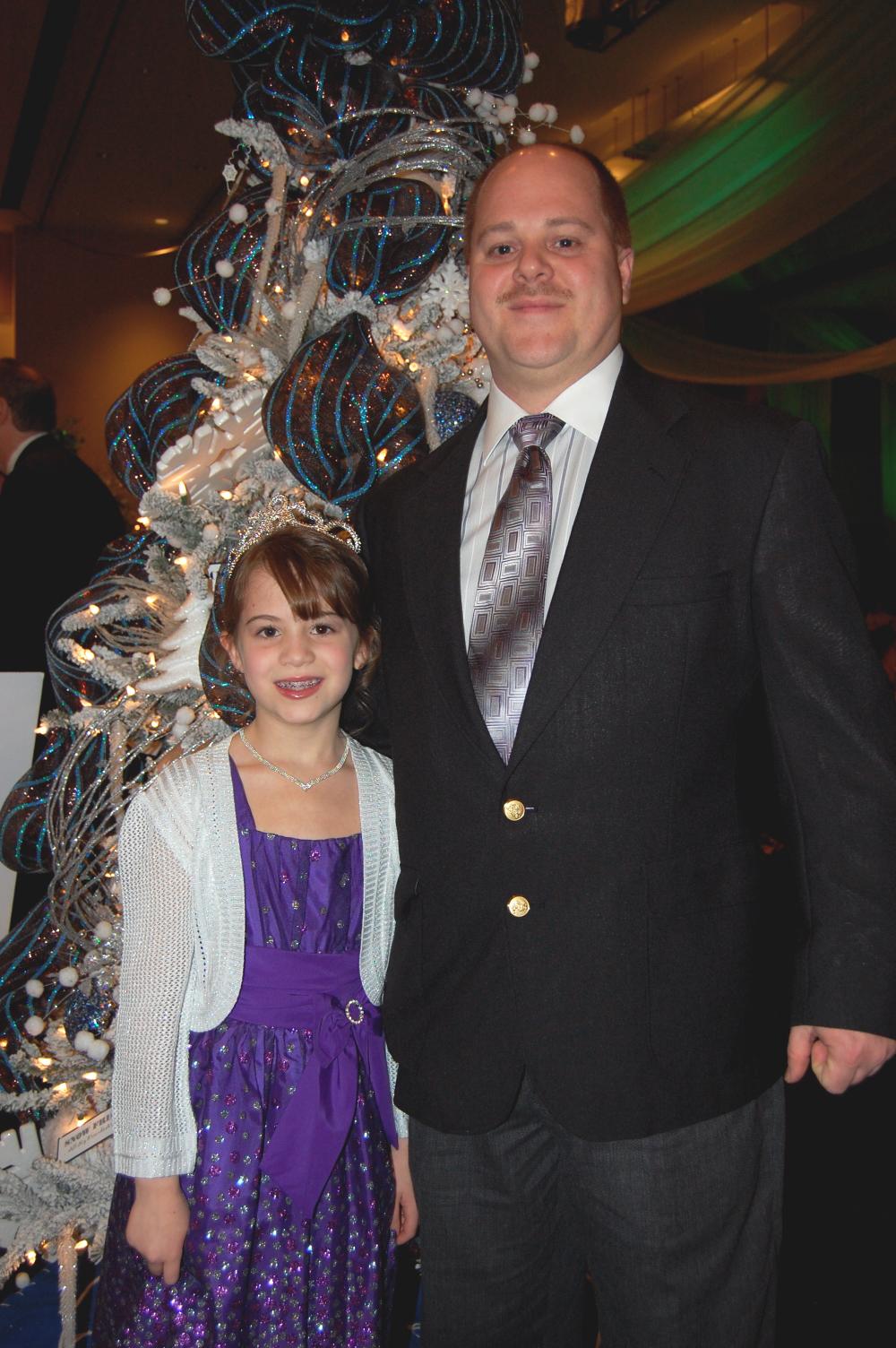
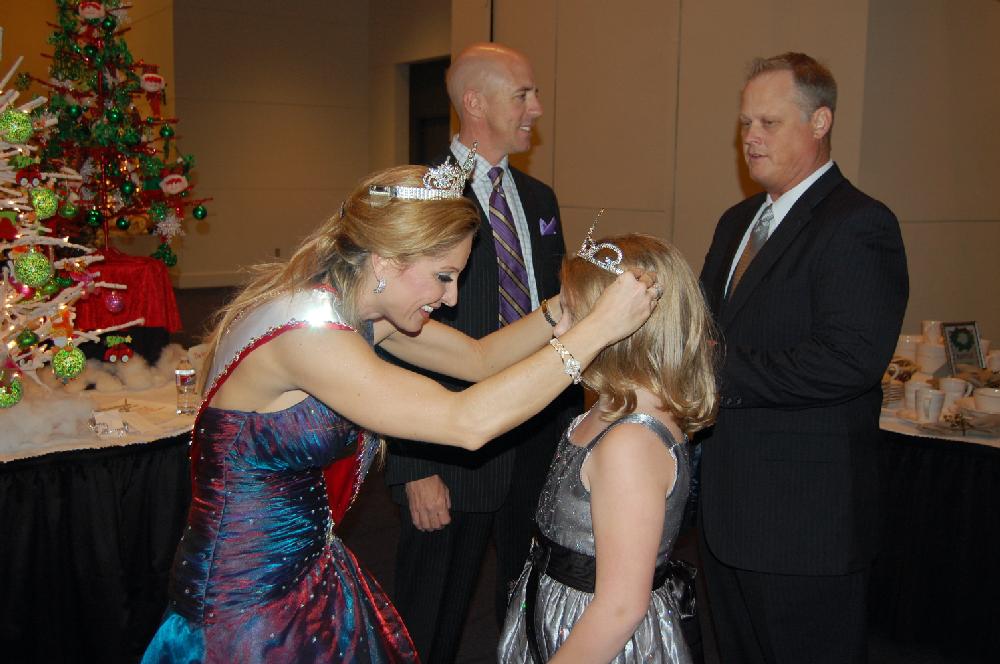

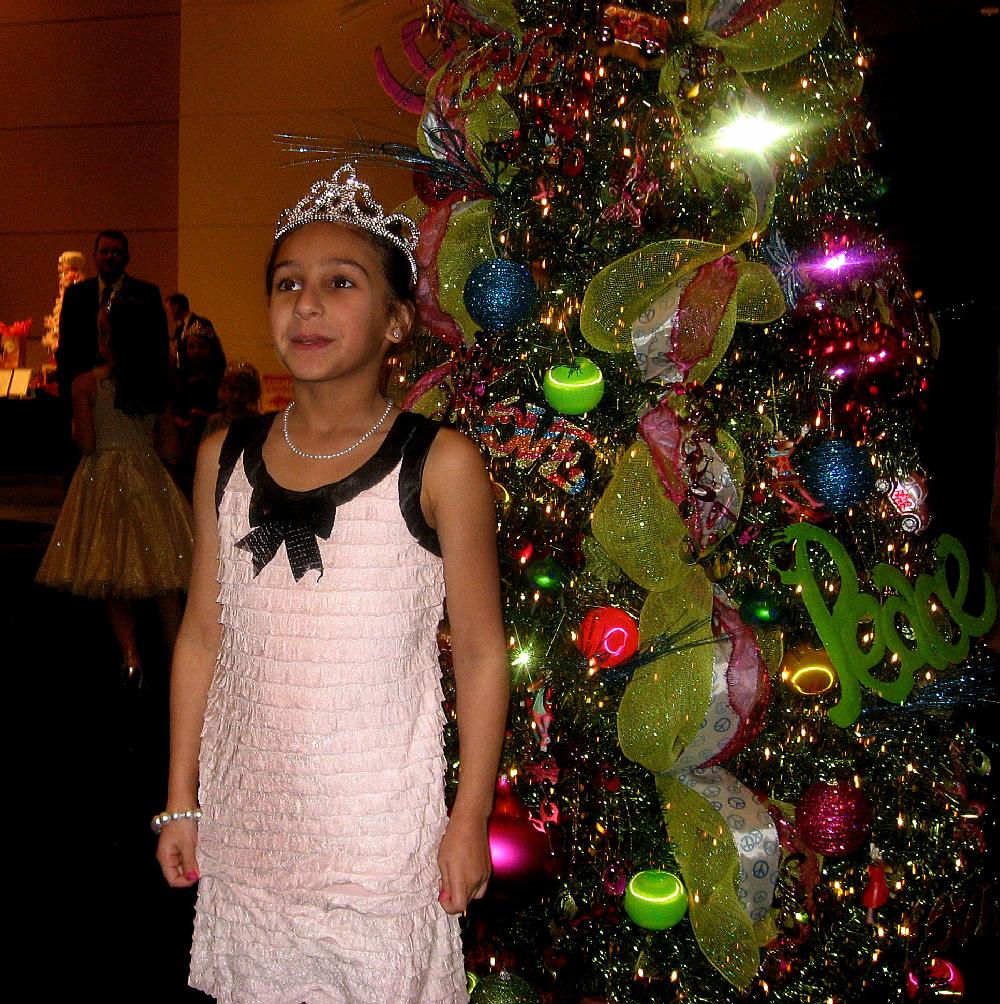
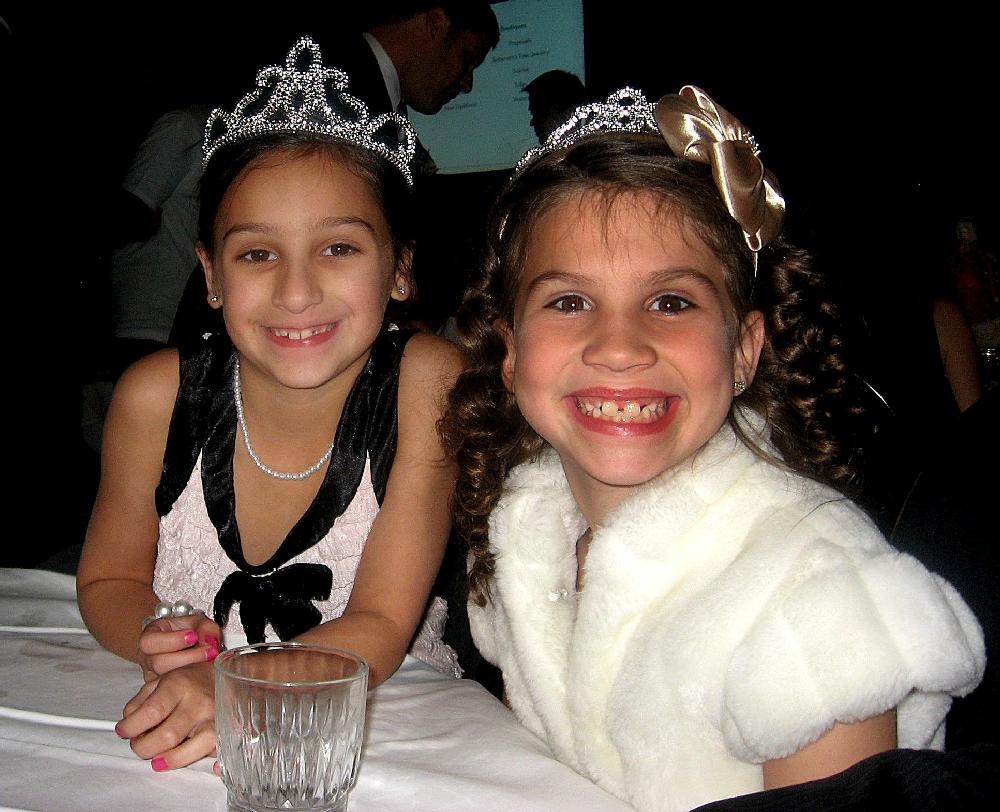
Twirly dresses, tiaras, a dance floor full of friends and a night out with daddy. What more could a little girl want?
SAN JUAN, Puerto Rico (AP) – Last week Puerto Ricans hunkered down as Hurricane Maria raked the length of the island, killing at least 16 people, wrecking the electricity grid and grinding up homes, businesses, roads and farms.
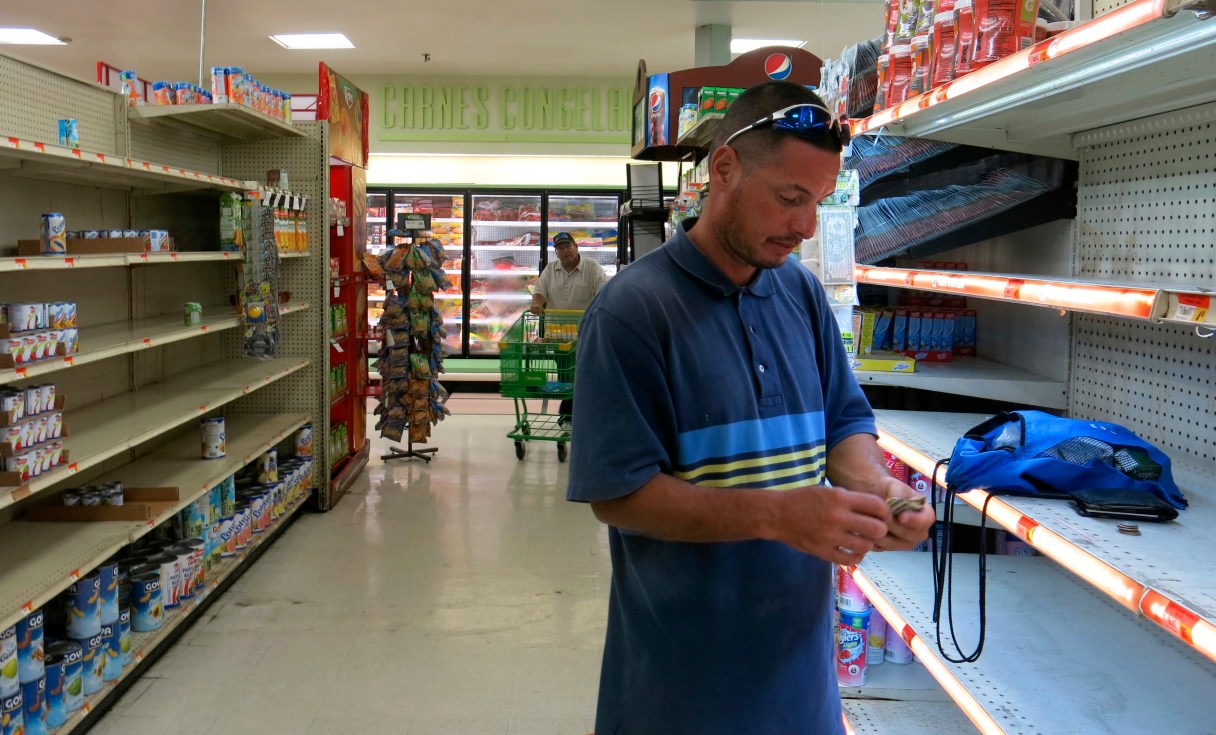
After the storm passed, islanders set about digging out from the mud and debris slung by worst storm to hit the island in nearly a decade. They went in search of basic necessities: water, food, gas for a generator, a cellphone signal or a Wi-Fi hotspot to connect with relatives.
All of that remains in very short supply a week later, and now many are wondering how long it will take for life to return to normal in the U.S. territory of 3.4 million.
Here are the stories of some of those who lived through the storm and are struggling in its aftermath: