
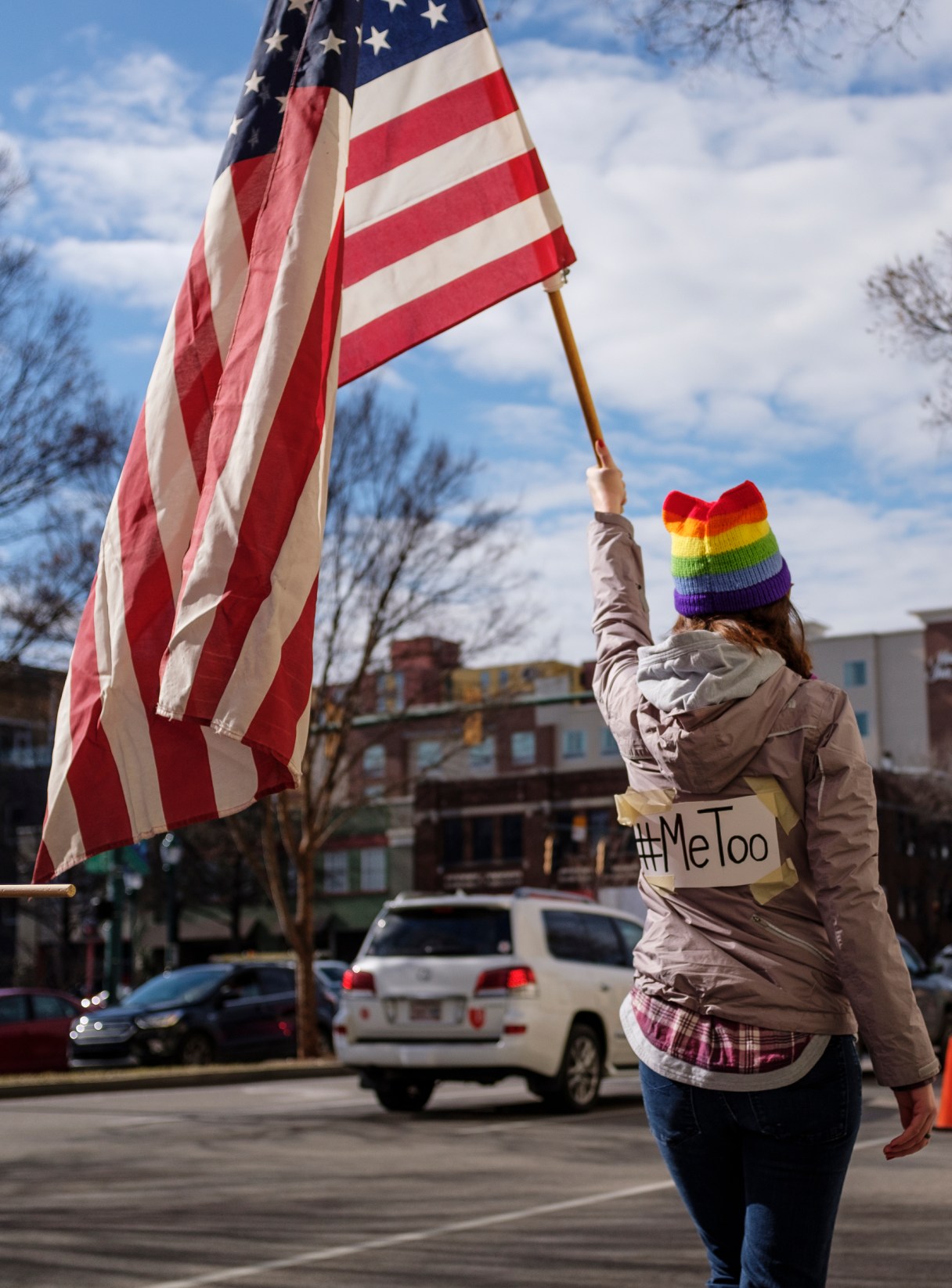
As the #MeToo movement against sexual misconduct began snaring politicians, state legislatures across the nation vowed to re-examine their policies to prevent harassment and beef up investigations into complaints of sexual wrongdoing.
About half of all state legislative chambers have followed through with at least some sort of change to their sexual harassment policies, most often by boosting their own training, according to a 50-state analysis by The Associated Press. But the others have done nothing this year, even as sexual misconduct allegations against lawmakers have been mounting.
CLOSER TO HOME
A Tennessee law that took effect in May prohibits employers from requiring employees and job applicants to sign non-disclosure agreements about sexual harassment as a condition of employment. And state lawmakers in January underwent training to learn how to recognize and avoid offensive behavior.In Georgia, a five-page harassment policy for the state House and Senate was updated and expanded in February. The new policy specifies that lawmakers must receive mandatory training every two years and was expanded to cover lawmakers dealings with lobbyists and part-time employees. It clarifies definitions of harassment and specifies new outlets to report complaints.Alabama has had a strict harassment policy in place since 2015.CLAIMS SINCE 2017* Tennessee Rep. Mark Lovell, R, resigned in February 2017 as a House ethics panel concluded that he had violated the Legislature’s sexual harassment policy.* Tennessee Rep. David Byrd, R, in a March 27 media report, was accused by three women of sexual misconduct as their high school basketball coach several decades ago. Instead of heeding calls to resign from House and Senate leaders, Byrd is running for re-election.* Georgia Sen. David Shafer, R, was cleared of sexual harassment allegations April 13 by the Senate Ethics Committee, which cited a review by an independent attorney concluding that allegations of sexual harassment brought by a lobbyist were more likely fabricated than true.- Staff and wire reports
The mixed response highlights both the political pressure to act and the institutional resistance to do so that exists in many state legislatures, where women now serve in record numbers yet remain outnumbered 3-to-1 by men.
“In the wake of Harvey Weinstein and the #MeToo movement that swept across different industries, we had to act,” said Democratic Assemblywoman Nily Rozic of New York, which mandated more robust sexual harassment policies for government agencies and private employers.