
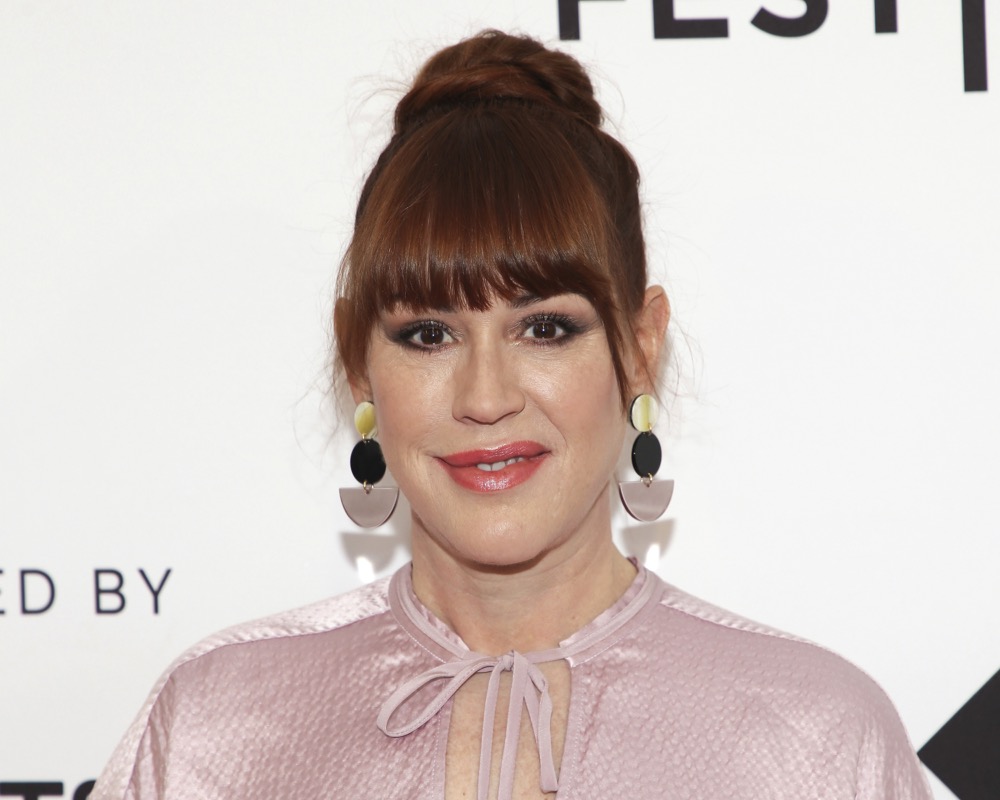
 FILE – In this April 24, 2018, file photo, Actress Molly Ringwald attends a screening during the 2018 Tribeca Film Festival in New York. In John Hughes’ “Sixteen Candles,” Ringwald played Samantha Baker, the movie’s adolescent love interest. She has since grown somewhat uncomfortable with some of the material that made her one of the 1980s’ biggest young stars. But, as she says, “Erasing history is a dangerous road when it comes to art.” (Photo by Brent N. Clarke/Invision/AP, File)
NEW YORK (AP) – They are fighting, yes, but the fight crackles with the enticing electricity that only Cary Grant and Katharine Hepburn could deliver. He is storming out the door. She is throwing his golf clubs after him. The music is jaunty. He is charmingly irritated.
Then: He strides up to her, throws a fake punch in the air at her, opens his fist and shoves his palm into her face, slamming her onto the ground. She looks up at him with what appears to be mild exasperation. She rubs her injured neck. The rom-com musical score plays on.
So begins 1940’s “The Philadelphia Story”: with a case of domestic assault played for laughs. Eight decades later, the movie is clearly two things: uneasy fare for a post-#metoo culture – and an enduring American classic.
They exist throughout society’s pop-culture canon, from movies to TV to music and beyond: pieces of work that have withstood time’s passage but that contain actions, words and depictions about race, gender and sexual orientation that we now find questionable at best.
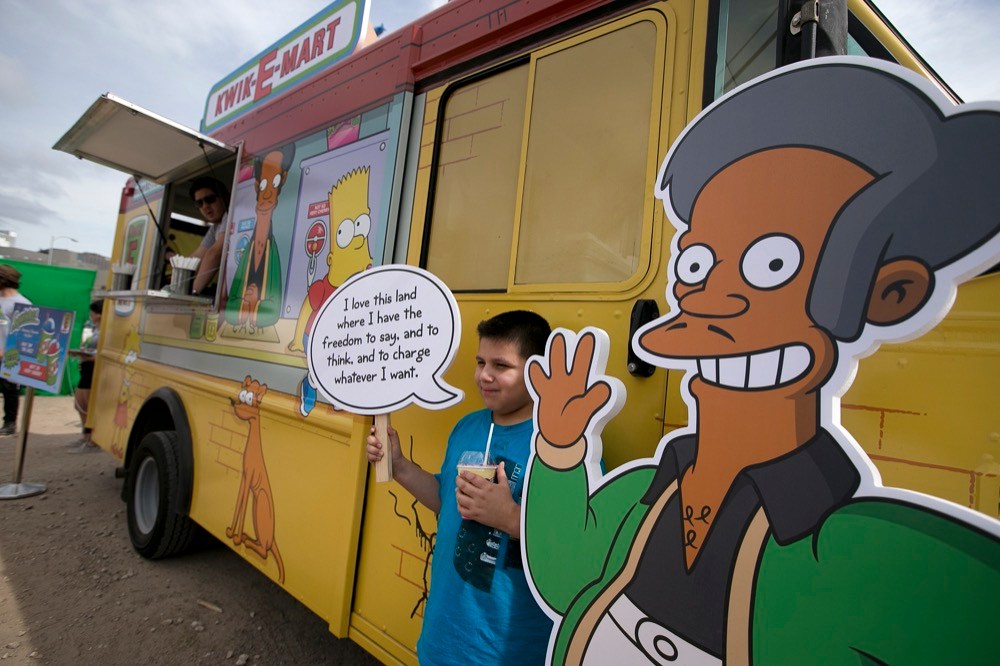
Whether it’s blackface minstrel routines from Bing Crosby’s “Holiday Inn,” Apu’s accent in “The Simpsons,” bullying scenes in “Rudolph, the Red-Nosed Reindeer,” the arguably rapey coercion of “Baby, It’s Cold Outside” and “Sixteen Candles” or the simplistically clunky gender interactions of “Mr. Mom,” Americans have amassed a catalog of entertainment across the decades that now raises a series of contentious but never-more-relevant questions: