

All animal-lovers want their pets to be happy and healthy. For some, that means occasionally feeding their furry friends food straight from the dinner table, while others worry about the health implications that could have.
Veterinarians recommend that most of your pet’s diet come from balanced meals specially prepared for pets, but about 10 percent of their intake can come from treats. And, says Caitlin Hyma, assistant manager at Nooga Paws, a locally owned pet store, “with treats you can go crazy and have fun with it!”
“We generally don’t recommend making your own food,” Hyma notes, as pets require specific vitamins and nutrients that are hard to regulate in a homemade diet.
When making homemade treats, most pet owners stick to veggies and peanut butter, as meaty treats are harder to keep fresh, says Hyma, though most dogs enjoy high-quality meats like chicken.
There are some definite foods to avoid, and you should be aware of any intolerances your pet may have. Beef, wheat, chicken or dairy products are the most common concerns for dogs. However, lots of the food you eat can also be served to your dog in small doses.
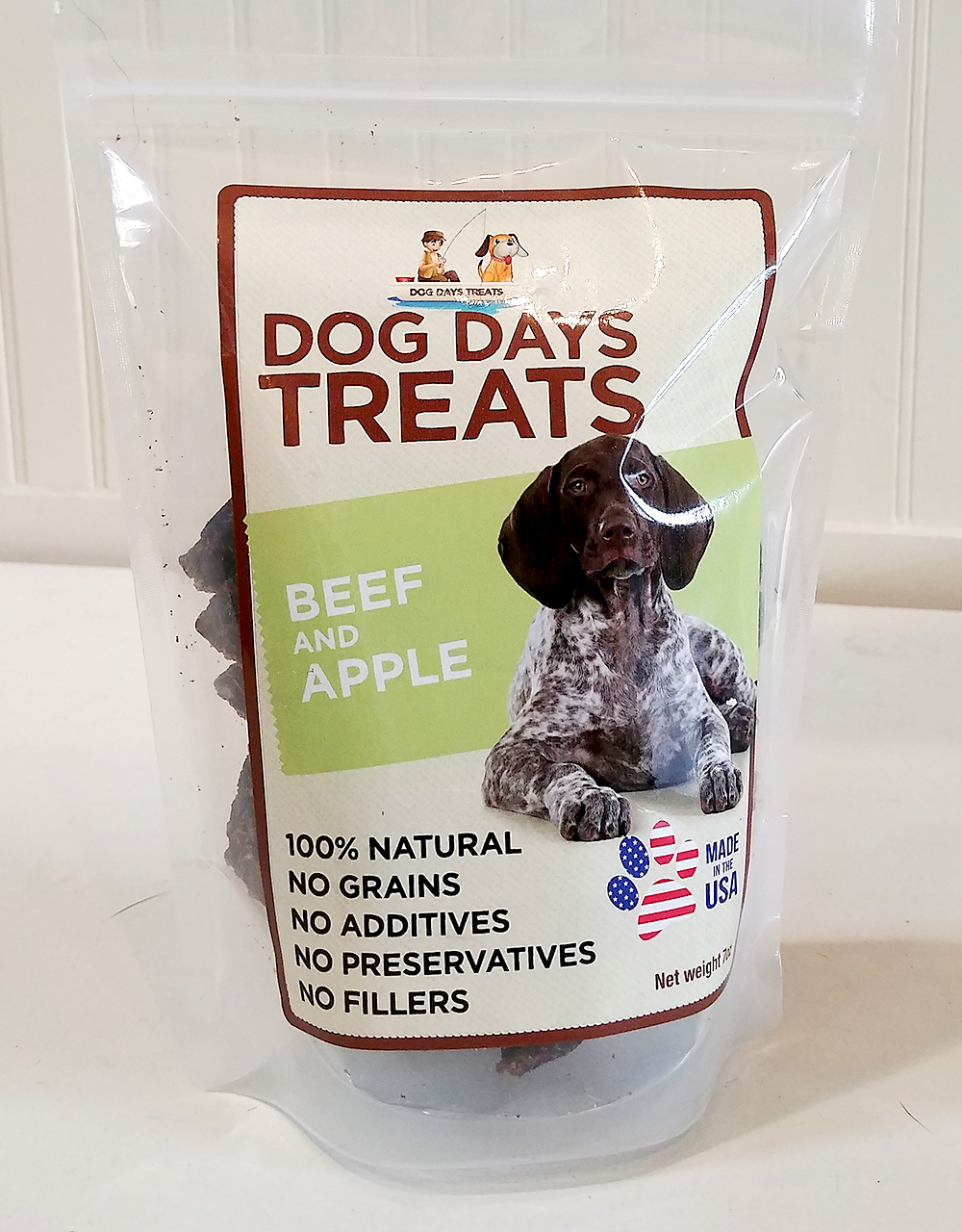 A tailored treat: Want to take the guesswork (and real work) out of treat time? These snacks, homemade in nearby Fairmount, Ga., feature just three simple ingredients: beef, apples and blueberries, with other flavors available. You can snag a bag at The Ark for $10.50.
Fruits: Apples, bananas, pears and strawberries are among the fruits you can feed your pet. However, fruits that are high in citric acid, such as lemons, oranges and green tomatoes, should be avoided.
Grain/Pasta/Potatoes/Quinoa: These foods are rich in energy and fiber and often used in pet foods. But don’t serve Fido or Fluffy these foods straight from your plate. Instead, make them their own serving without the added salt and seasonings.
Meats: Meats are a good source of protein for pets. Common meats to feed your pet include chicken, pork, salmon and turkey. Like with grains, make sure you prepare the meat without any seasoning or condiments when you plan on serving it to your four-legged family member. Also, make sure the meat is deboned and fully cooked to avoid passing on bacteria like salmonella and E.coli.
Vegetables: Veggies tend to be high in protein and amino acids, making them a popular snack for dogs. Common veggies to feed your pet include carrots, squash, spinach and green beans.
Vegetable/Corn Oil: Corn oil is commonly used in pet food. Other types of vegetable oils are OK for your pet, but corn oil is the highest in linoleic acid, a fatty acid your dog needs. You can also feed your dog plain corn as long as it’s cut off the cob, or unsalted, unbuttered popcorn.
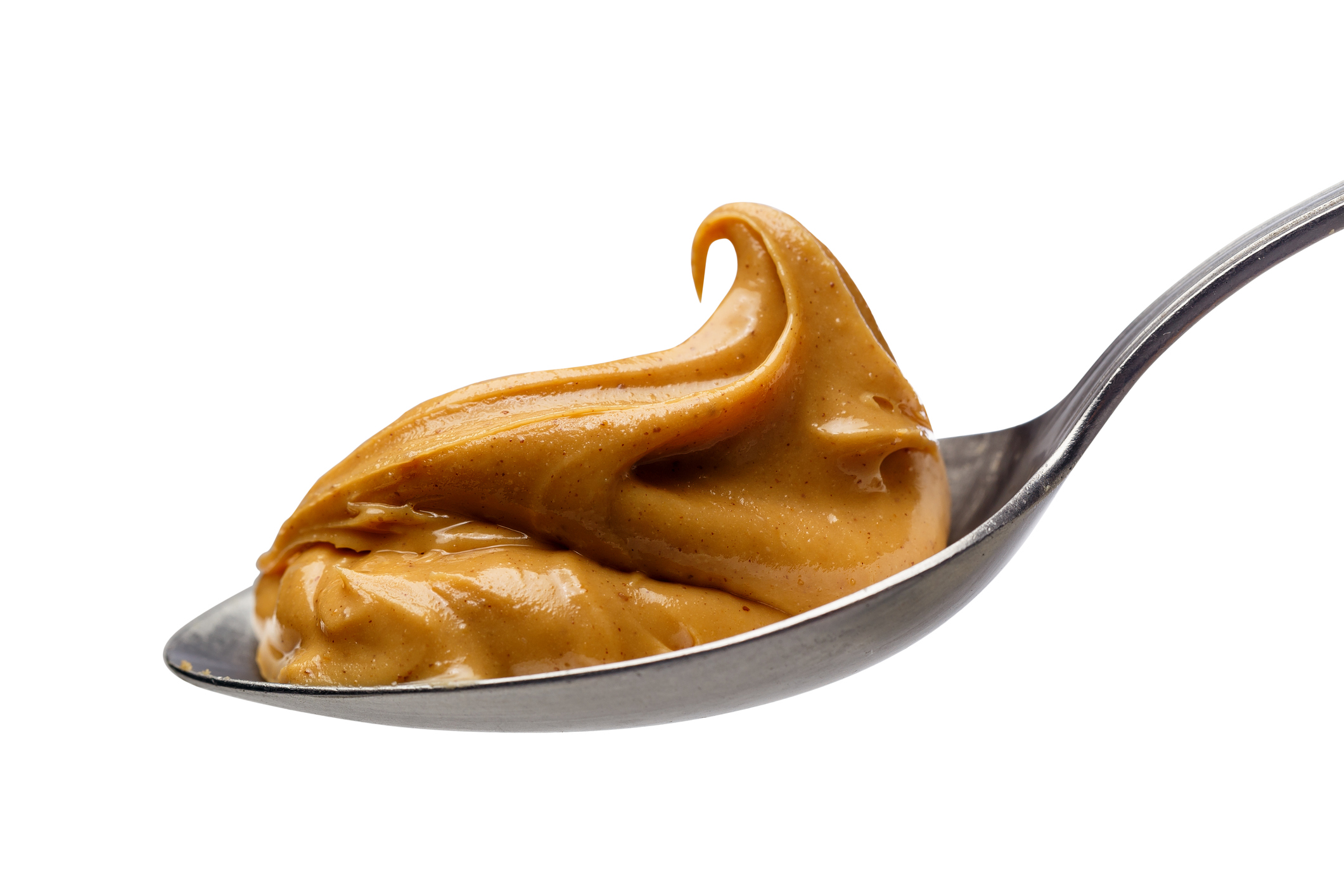 Peanut Butter On Spoon
It’s no secret that dogs love peanut butter, but did you know it’s healthier to serve them unsalted or homemade peanut butter? Peanut butter is rich in natural fats and protein, but make sure your brand of choice does not contain xylitol, an artificial sweetener than can be harmful to dogs.
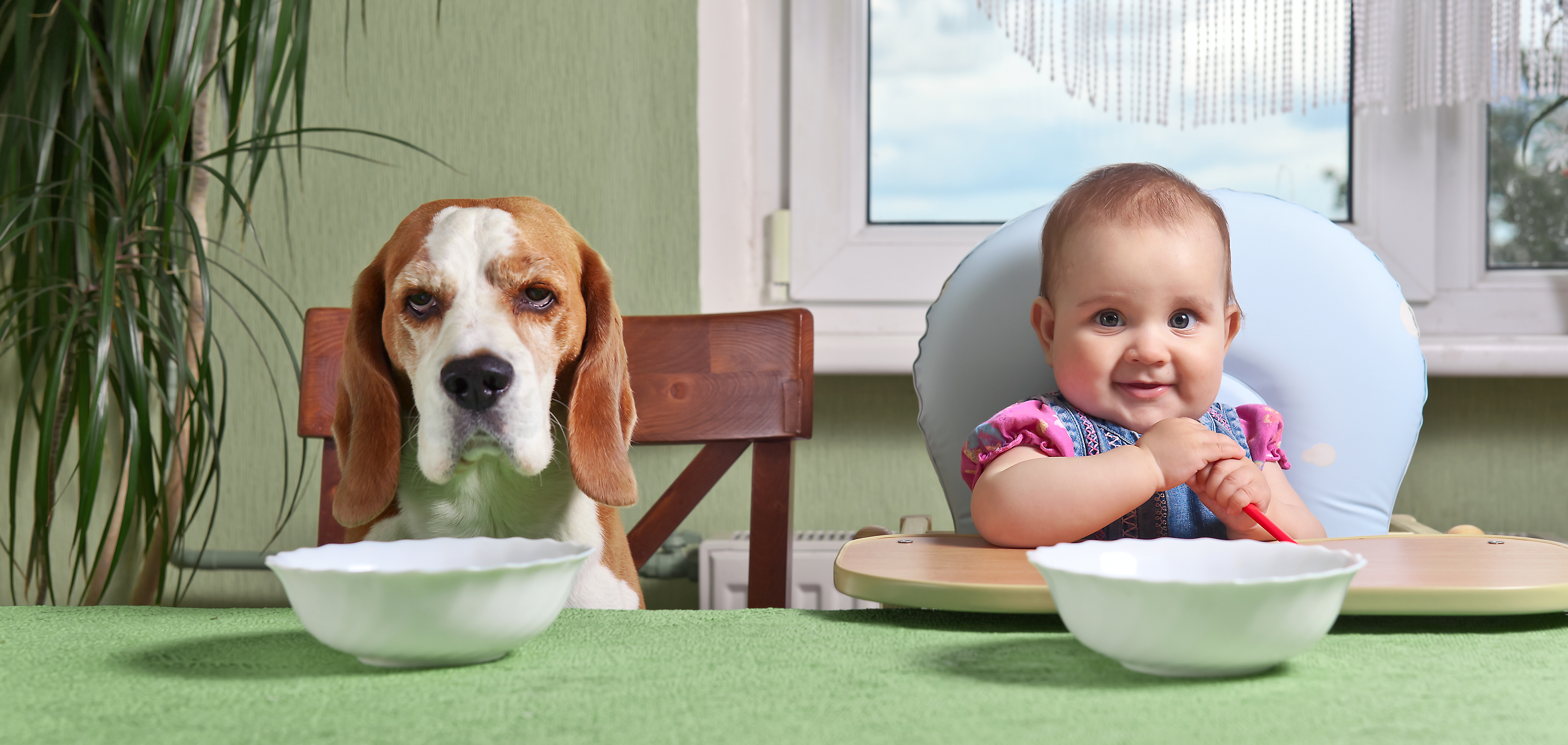 There are certain foods you should never give your pet (even if she REALLY wants it)
Alcohol: Alcohol severely affects pets and can cause vomiting, diarrhea, decreased coordination, central nervous system depression, difficulty breathing, tremors, and even death.
Avocados: Avocados are especially a concern for birds, rabbits, other small mammals and horses. Avocados contain persin, which can cause cardiovascular damage and heart failure. Dogs and cats are more resistant than other animals, but it’s probably best not to fill their food bowl with guacamole.
Chocolate, Coffee and Caffeine: These products contain methylxanthines, a stimulant that can cause vomiting, diarrhea and, when ingested in large amounts, seizures or irregular heart function, leading to death. The stronger the chocolate, the more methylxanthines it contains, so unsweetened baker’s chocolate and dark chocolate are worse for dogs than milk chocolate or white chocolate.
Dairy: Dogs are essentially lactose intolerant; they have very little of the enzyme needed to break down the lactose in milk. So when making treats, milk, cheese and other dairy products should be used very sparingly, if at all.
Garlic, Onions, Chives and Leeks: These vegetables are part of the Allium family and can cause gastrointestinal irritation in pets.
Grapes and Raisins: These fruits can cause kidney failure in dogs.
Gum, Mints, Candy and Toothpaste: These products often contain xylitol, an artificial sweetener that can cause an insulin release that leads to liver failure. Initial signs of toxicosis include vomiting, lethargy and loss of coordination.
Nuts: While peanuts may be a big hit with your pooch, Macadamia nuts can cause vomiting, tremors and hyperthermia in dogs, usually within 12 hours of ingestion. Other nuts – including almonds, pecans and walnuts – because of their high oil and fat content, are also bad for dogs.
Salty snacks: Foods like potato chips, pretzels, salted popcorn or salted nuts can cause excessive thirst and urinating, or even sodium ion poisoning if ingested in large amounts. Avoid serving your pet these human snacks or try to find unsalted options.