
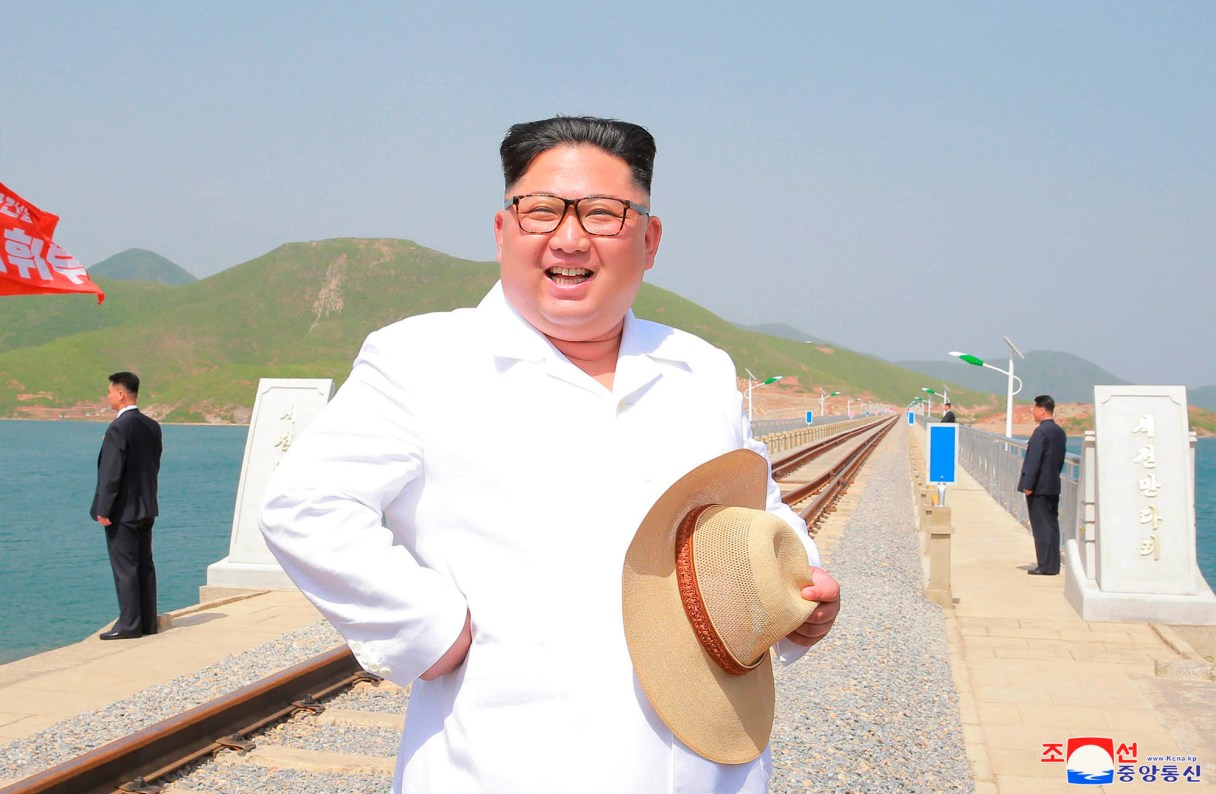
SEOUL, South Korea (AP) – North Korea said Friday that it’s still willing to sit for talks with the United States “at any time, (in) any format,” a remarkably restrained and diplomatic response, from a nation noted for its proud belligerence, to U.S. President Donald Trump’s abrupt cancellation of a summit with the North’s autocratic leader, Kim Jong Un.
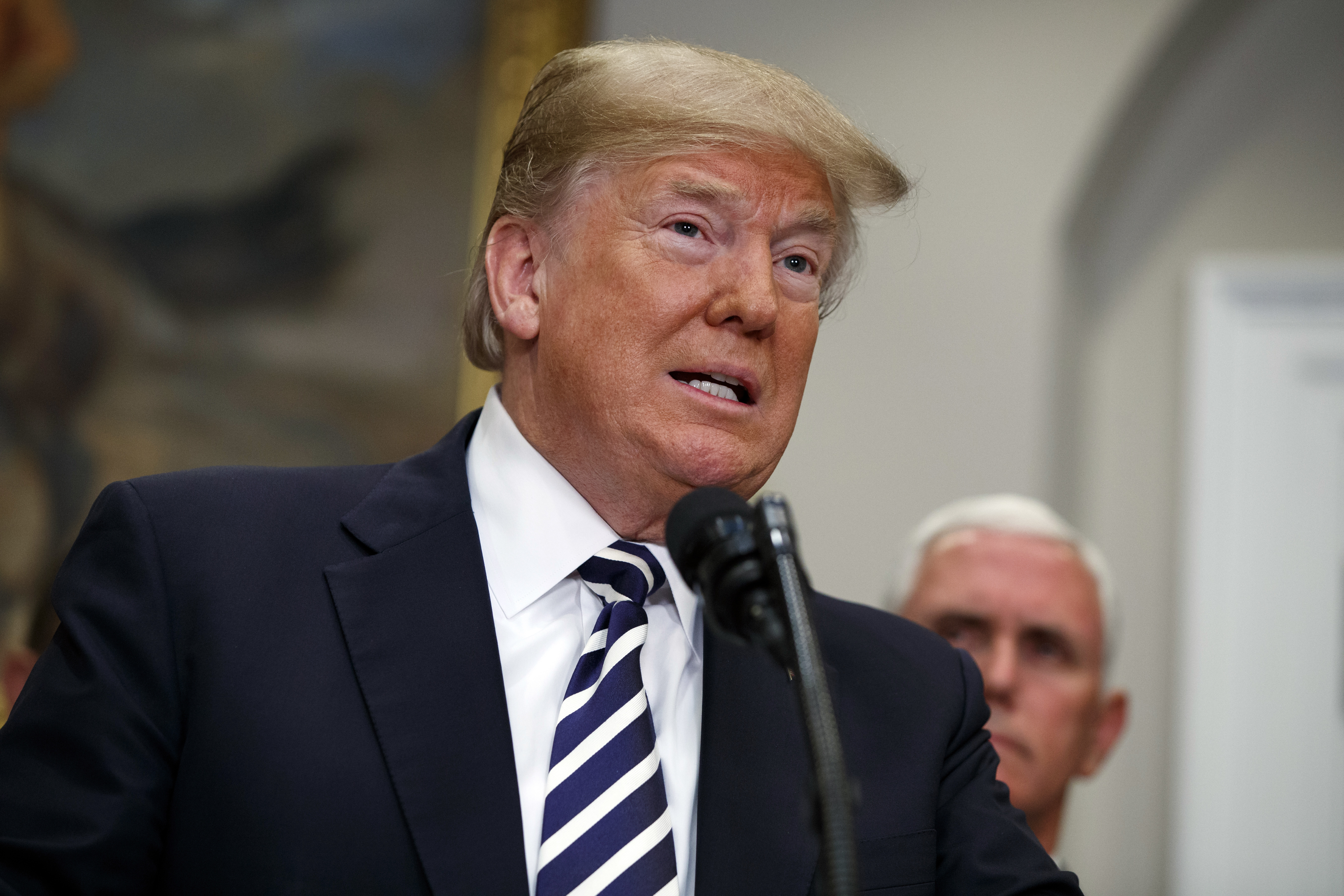 President Donald Trump speaks on North Korea before signing the “Economic Growth, Regulatory Relief, and Consumer Protection Act,” in the Roosevelt Room of the White House, Thursday, May 24, 2018, in Washington (AP Photo/Evan Vucci)
The statement by Vice Foreign Minister Kim Kye Gwan, a longtime nuclear negotiator and senior diplomat, which said the North is “willing to give the U.S. time and opportunities” to reconsider talks that had been set for June 12 in Singapore, could be driven by a need to use the summit to ease crushing international sanctions, or by a determination that a summit with the mercurial Trump is the best opportunity the North will ever have to elevate itself, and its nuclear program, to equality with its archrival. One analyst marveled that the North Korean response was “close to an apology letter.”
Regardless of the motivation, Kim Kye Gwan’s statement is the latest whiplash development in efforts to diplomatically address what might be the world’s most dangerous standoff. Focus will now swing back to how Trump will respond to the North’s seemingly conciliatory gesture.
The stakes are high. A scrapping of diplomacy could see a return to the torrent of weapons tests – and the fears of war they created – that North Korea unleashed last year as it sought to put the finishing touches on a nuclear-armed missile program meant to target the entire U.S. mainland. Since January, Kim has taken a radically softer approach to foreign affairs, sending his sister to the Olympics in South Korea, meeting with his South Korean counterpart on their shared border and exploding parts of his nuclear testing site Thursday in an apparent sign of good faith. The Singapore summit would have been the culmination of this outreach.
Earlier comments by South Korean President Moon Jae-in, seen as a driving force behind the summit and just returned to Seoul from a meeting with Trump in Washington, suggested that the South, a top U.S. ally and host to 28,500 U.S. troops, was blindsided by Trump’s statement. Moon said he was “perplexed” at Trump’s announcement that he was canceling the summit because of what the U.S. president said was North Korea’s “tremendous anger and open hostility.” Moon urged direct talks between Trump and Kim to get things back on track.