
Thursday, November 12, 2026Nov 12

What lies ahead following Oklahoma opioid judgment

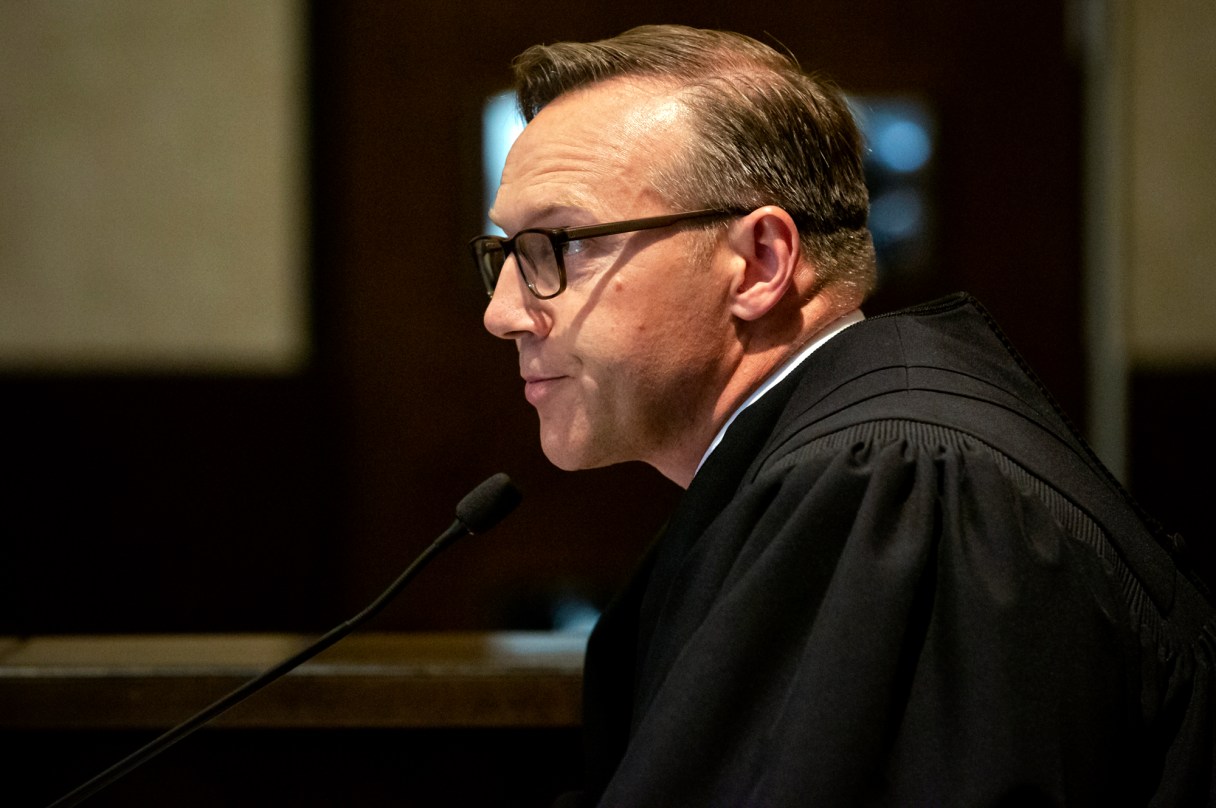
Judge Thad Balkman reads a summary of his decision in the opioid trial at the Cleveland County Courthouse in Norman, Okla., Monday, Aug. 26, 2019. Balkman ruled in favor of the state of Oklahoma and ordered Johnson and Johnson to pay $572 million to a plan to abate the opioid crisis. (Chris Landsberger/The Oklahoman via AP, Pool)
Judge Thad Balkman reads a summary of his decision in the opioid trial at the Cleveland County Courthouse in Norman, Okla., Monday, Aug. 26, 2019. Balkman ruled in favor of the state of Oklahoma and ordered Johnson and Johnson to pay $572 million to a plan to abate the opioid crisis. (Chris Landsberger/The Oklahoman via AP, Pool) Judge Thad Balkman reads a summary of his decision in the opioid trial at the Cleveland County Courthouse in Norman, Okla., Monday, Aug. 26, 2019. Balkman ruled in favor of the state of Oklahoma and ordered Johnson and Johnson to pay $572 million to a plan to abate the opioid crisis. (Chris Landsberger/The Oklahoman via AP, Pool)

Oklahoma’s $572 million judgment against Johnson & Johnson will likely be followed by more trials and legal settlements seeking to hold a drug company accountable for a U.S. opioid crisis that has ripped apart lives and communities.

Monday’s ruling could help shape negotiations over roughly 1,500 similar lawsuits filed by state, local and tribal governments consolidated before a federal judge in Ohio. And as the legal cases against the opioid industry accelerate, so do concerns about how the money from verdicts or settlements will be spent.

Following are questions and answers about the opioid crisis and what lies ahead.

Q: Why are so many governments suing over opioids?

A: Forty-eight states plus around 2,000 local and tribal governments have sued companies in the drug industry, arguing those that make, distribute and sell the drugs are partly responsible for a crisis that has killed more than 400,000 people across the country since 2000, according to the U.S. Centers for Disease Control and Prevention. That’s including more than 47,000 in both 2017 and last year.